Exploring the Met Gala 2026 Theme, Fashion Is an Art
By Janhavi Gusani
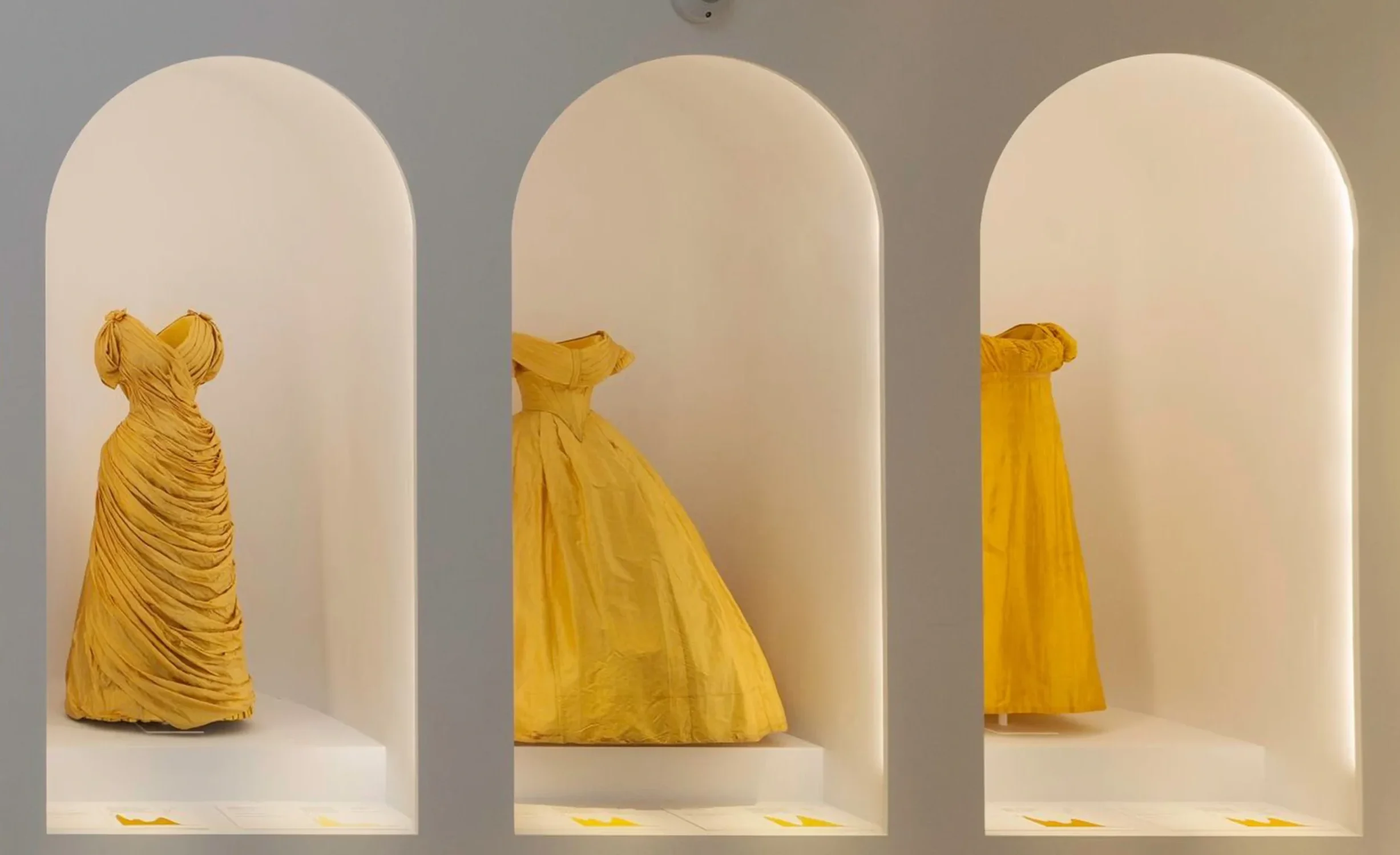
When the doors of the Metropolitan Museum of Art opened for the Met Gala 2026, the message was unmistakable. Fashion is no longer content to orbit art. It claims its place within it. The 2026 theme, Fashion Is an Art, invited designers and attendees to dissolve boundaries between atelier and gallery, garment and installation. For readers of Magnav Asia Pacific, the evening offered something even more resonant. It showcased the growing authority of Asian designers on one of the most scrutinized carpets in the world.
The Met Gala has always functioned as both spectacle and statement. In 2026, however, the red carpet felt more like a curated exhibition. Silhouettes referenced sculpture. Textiles mimicked brushstrokes. Embellishments suggested mosaic and calligraphy. The conversation moved beyond trend into territory traditionally reserved for museums. In this environment, Asian designers distinguished themselves through conceptual depth and technical mastery rooted in heritage.
Among the most discussed appearances were ensembles by Guo Pei, whose work has long blurred the line between couture and imperial artifact. This year, her creation evoked classical Chinese landscape painting translated into three dimensional form. Layers of embroidered silk cascaded like mountain ranges, while metallic thread caught the light in deliberate flashes. The garment did not merely adorn the wearer. It enveloped them in narrative. Observers described it as walking architecture.
Equally compelling was the presence of Rahul Mishra, whose interpretation of Fashion Is an Art leaned into sustainability as conceptual art. His gown incorporated hand embroidered motifs representing endangered flora across the Asian continent. Artisanship functioned as activism. Each stitch carried ecological commentary, reinforcing that art can provoke as well as please. The piece balanced romantic silhouette with intellectual urgency, embodying the multidimensional spirit of the evening.
From Japan, Rei Kawakubo continued her legacy of challenging conventional form. The ensemble presented under her visionary direction distorted proportion in deliberate defiance of symmetry. Bulbous shapes and negative space reconfigured the human outline into living sculpture. Critics debated whether the look was wearable or purely conceptual. That tension, perhaps, was the point. Art often unsettles before it is understood.
The influence of Iris van Herpen was visible across the carpet as well, yet Asian designers infused technology with distinct cultural references. Experimental fabrics embedded with responsive fibers shifted tone under flash photography, revealing calligraphic patterns inspired by East Asian ink traditions.
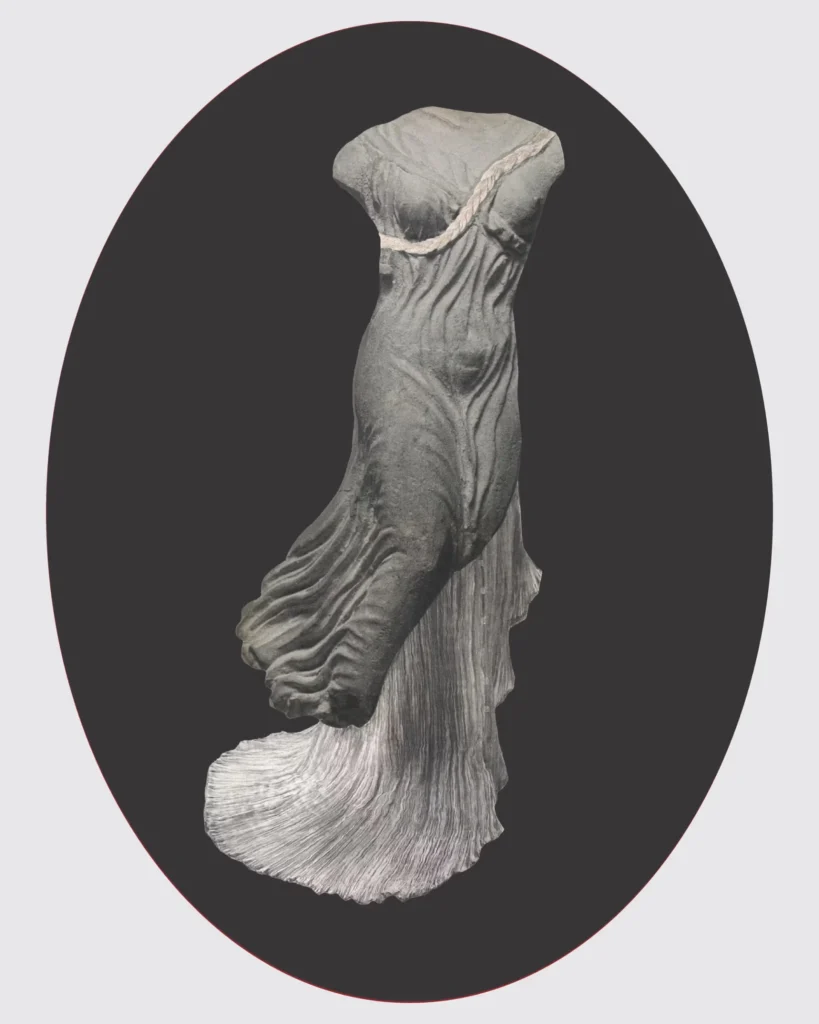
The integration of technology did not eclipse heritage. Instead, it amplified it, demonstrating how innovation can extend rather than erase tradition.
Korean designers also commanded attention. Structured gowns referencing hanbok lines were reimagined in translucent organza and sculpted neoprene. The juxtaposition of ancient silhouette and futuristic material captured the essence of 2026 fashion dialogue. It signaled a region confident enough to reinterpret its past without nostalgia. Street style influences from Seoul’s avant garde districts found their way onto the most formal carpet, reinforcing the porous boundary between high fashion and urban creativity.
Jewelry further emphasized the art thesis. Designers from across Asia presented pieces resembling miniature installations. Jade carved into abstract forms rested against minimalist gowns. Architectural gold collars echoed temple rooflines. Rather than serving as secondary accents, these adornments functioned as focal points. They demanded contemplation.
Importantly, the Asian presence at the Met Gala extended beyond garments. Creative directors, stylists, and artisans contributed behind the scenes, shaping narratives that reached global audiences. Their participation reflected a broader shift in fashion power dynamics. Asia is no longer solely a manufacturing hub or consumer market. It is a source of conceptual leadership.
The carpet itself became a site of dialogue about authorship. Celebrities increasingly credited designers prominently, emphasizing collaboration over celebrity dominance. In interviews, many spoke about the craftsmanship embedded in their looks. They referenced ateliers in Beijing, Mumbai, Tokyo, and Seoul with the reverence typically reserved for European fashion capitals. The red carpet thus functioned as a map, tracing creative routes across continents.
For Magnav Asia Pacific, this visibility carries strategic significance. Representation at events like the Met Gala shapes global perception. When Asian designers interpret a theme as expansive as Fashion Is an Art with intellectual rigor and cultural specificity, they recalibrate the hierarchy of influence. They demonstrate that artistry flourishes across geographies.
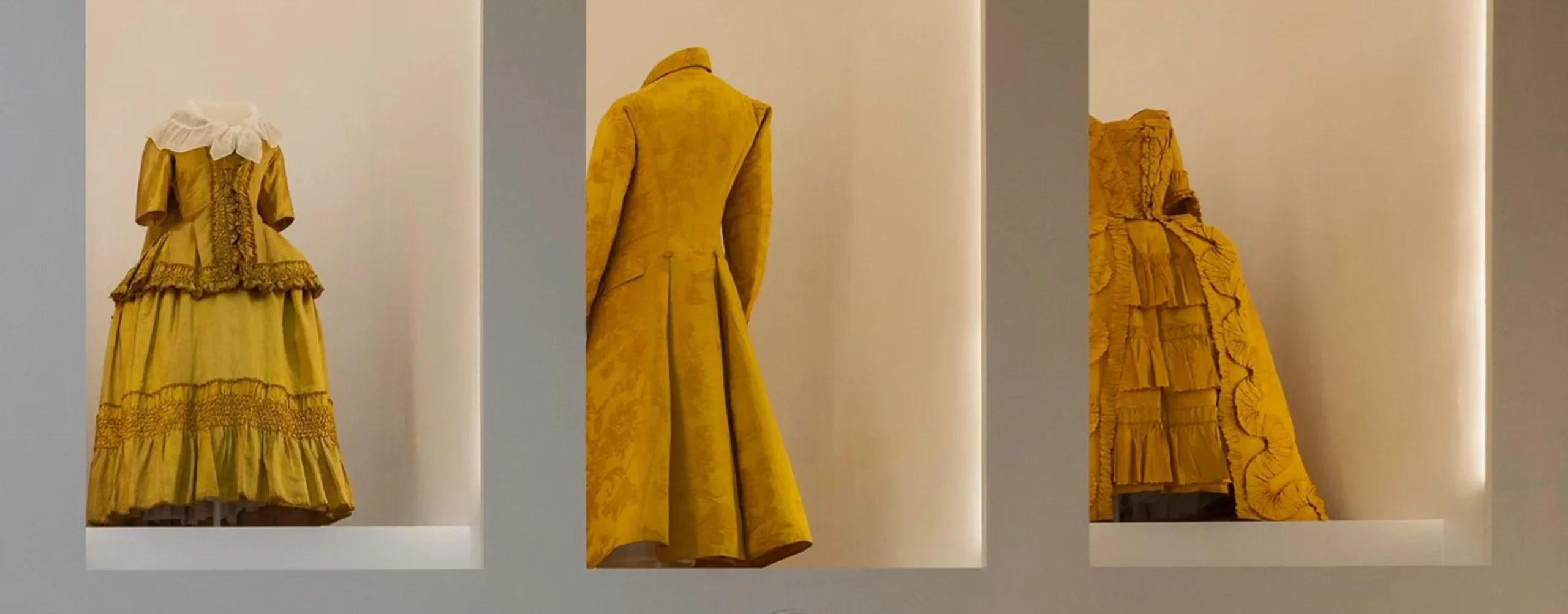
The thematic framing also invited reflection on museum spaces themselves. As fashion occupies galleries within the Metropolitan Museum of Art, questions arise about preservation and ephemerality. Asian designers, many of whom draw from centuries old craft traditions, are uniquely positioned to navigate this tension. Their work often carries archival consciousness. Techniques passed down through generations gain renewed relevance on contemporary stages.
Social media amplified the impact instantly. Images of embroidered dragons, sculptural pleats, and technologically animated textiles circulated worldwide within minutes. Yet beyond viral moments, critical discourse followed. Fashion scholars analyzed symbolism. Cultural commentators discussed the ethics of adaptation versus appropriation. The depth of conversation affirmed that fashion, when treated as art, invites layered interpretation.
The 2026 Met Gala ultimately underscored a truth long recognized within Asia’s creative communities. Fashion is not superficial decoration. It is storytelling rendered in fabric and form. It encodes memory, aspiration, and critique. On the museum steps in New York, Asian designers articulated this philosophy with authority.
Looking ahead, the momentum appears irreversible. As global audiences grow more literate in cross cultural aesthetics, the appetite for nuanced design will expand. Asian ateliers, equipped with both heritage technique and forward thinking innovation, are poised to lead.
Fashion Is an Art was more than a theme. It was a declaration. And on the 2026 Met Gala carpet, Asian designers did not simply participate in that declaration. They shaped it. Through embroidery that echoed ancient murals, silhouettes that referenced ceremonial dress, and technologies that projected future possibility, they transformed the red carpet into a living gallery.
In doing so, they affirmed that art does not reside solely within frames or on pedestals. Sometimes it moves, breathes, and commands flashbulbs beneath the grand façade of the Metropolitan Museum of Art, carrying with it the creative pulse of an entire region.