Park Gyu young, Grace Between Worlds
By Maya Tremblay
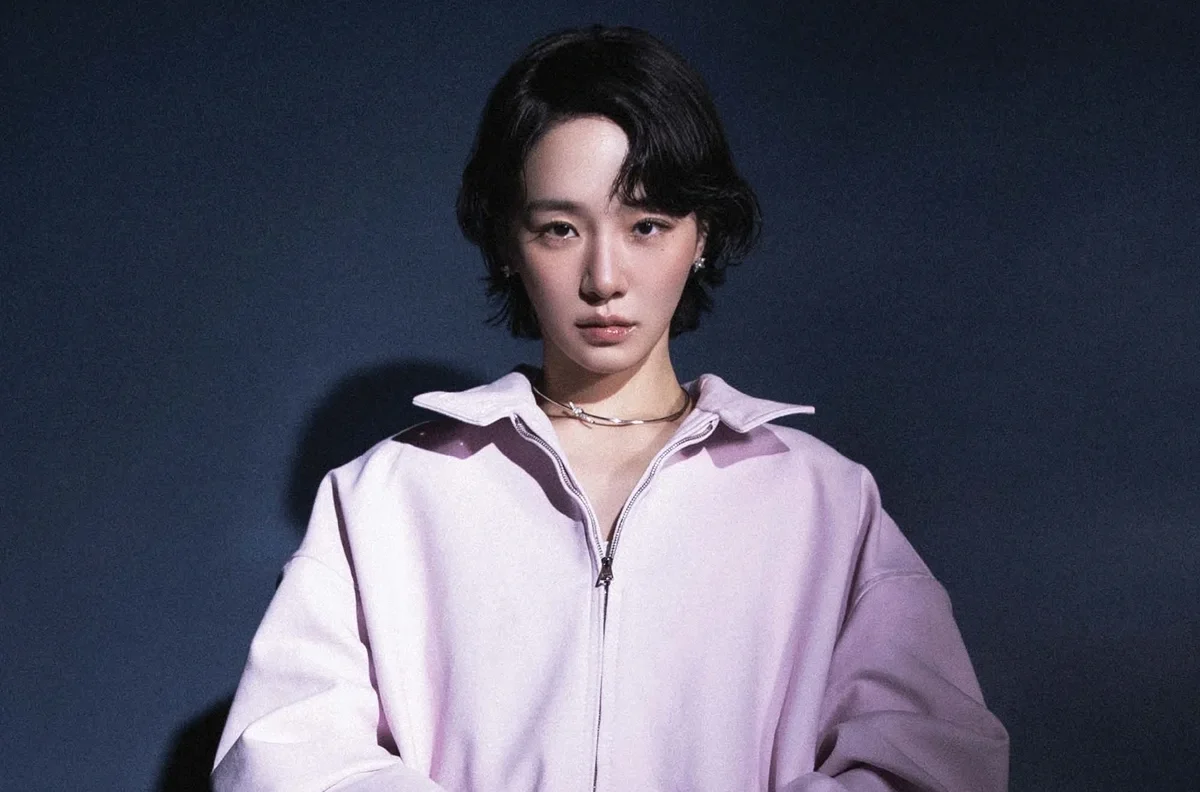
Few actors embody the subtle shift between modern celebrity and thoughtful artistry as elegantly as Park Gyu-young. In an industry famous for speed and spectacle, she has built her career through patience, discipline and a quietly magnetic presence. To international audiences she is a familiar face from Korean streaming hits that have travelled across continents. Yet behind the camera lies a woman shaped by academic curiosity, artistic rigour and an instinctive understanding of how culture travels in the digital age.
Born in Busan in 1993, Park grew up far from the glitter of Seoul’s entertainment world. The port city, with its restless energy and maritime openness, often produces artists comfortable navigating different cultures. Her early life reflected that cosmopolitan environment. She attended Busan Foreign Language High School, an institution known for producing students with international ambitions and strong linguistic ability. That background would later prove unexpectedly useful when Korean dramas began to reach global audiences.
Unlike many performers who enter the industry through auditions as teenagers, Park’s path was almost accidental. While studying Clothing and Environment at Yonsei University, one of South Korea’s most prestigious institutions, she appeared on the cover of a college magazine. The image caught the attention of talent scouts from JYP Entertainment. Within months she was invited to train as an actress, a moment that shifted the course of her life entirely.
Her debut came quietly in 2016 when she appeared in a music video for singer Jo Kwon. The role was brief, but it introduced her to the rhythms of filming and the demands of performance. What followed were years of smaller supporting roles in television dramas such as Solomon’s Perjury, Rain or Shine and The Third Charm. These early appearances might have seemed modest, yet they formed the apprenticeship through which Park developed her emotional range. Rather than rushing toward instant stardom, she approached acting like a craft to be refined slowly.
The first hints of wider recognition arrived through film. In 2018 she appeared in the drama Wretches, portraying two contrasting characters in a story exploring social marginalisation. The dual role demanded emotional nuance and revealed her capacity for transformation. Critics began to note that Park possessed an unusually delicate balance between vulnerability and restraint. It was the sort of quality that allows an actor to inhabit characters without overwhelming them.
The true turning point, however, came in 2020. Korean television had already begun its global expansion through streaming platforms, and Park suddenly found herself part of a wave that would redefine international pop culture. Her role in the Netflix series Sweet Home introduced her to millions of viewers beyond Asia. The dystopian drama, filled with monstrous transformations and psychological tension, required performances that could anchor the chaos in human emotion. Park’s character, the determined bassist Yoon Ji-soo, provided exactly that grounding.
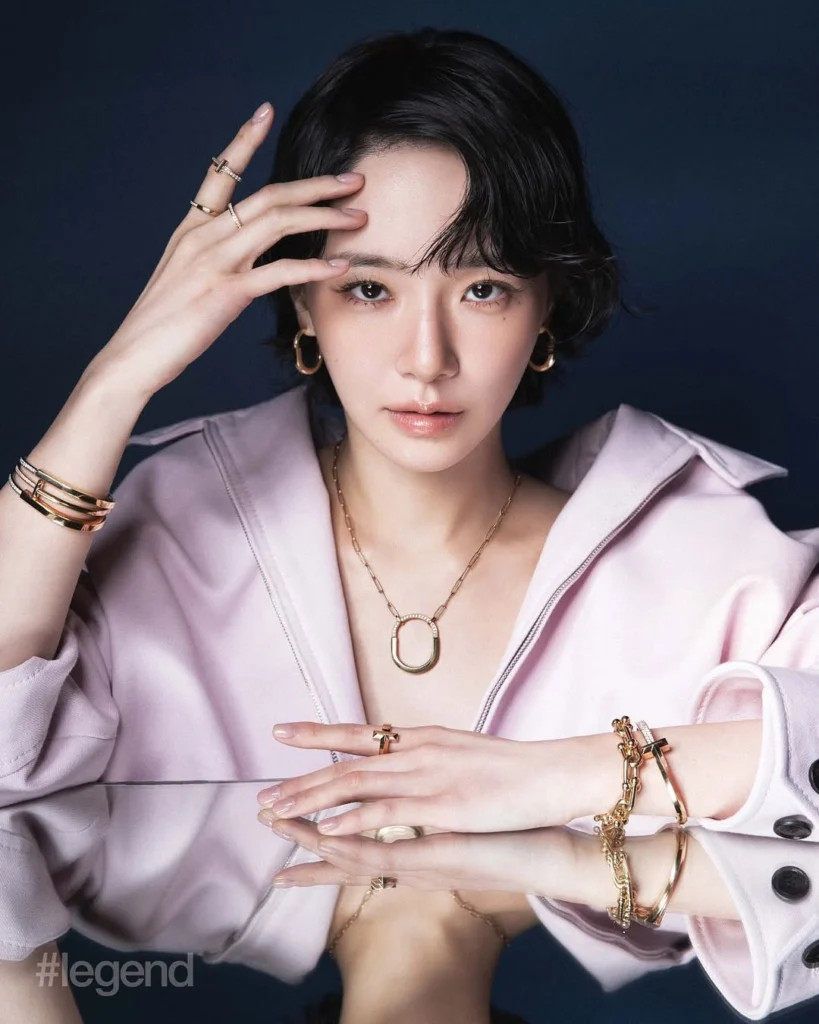
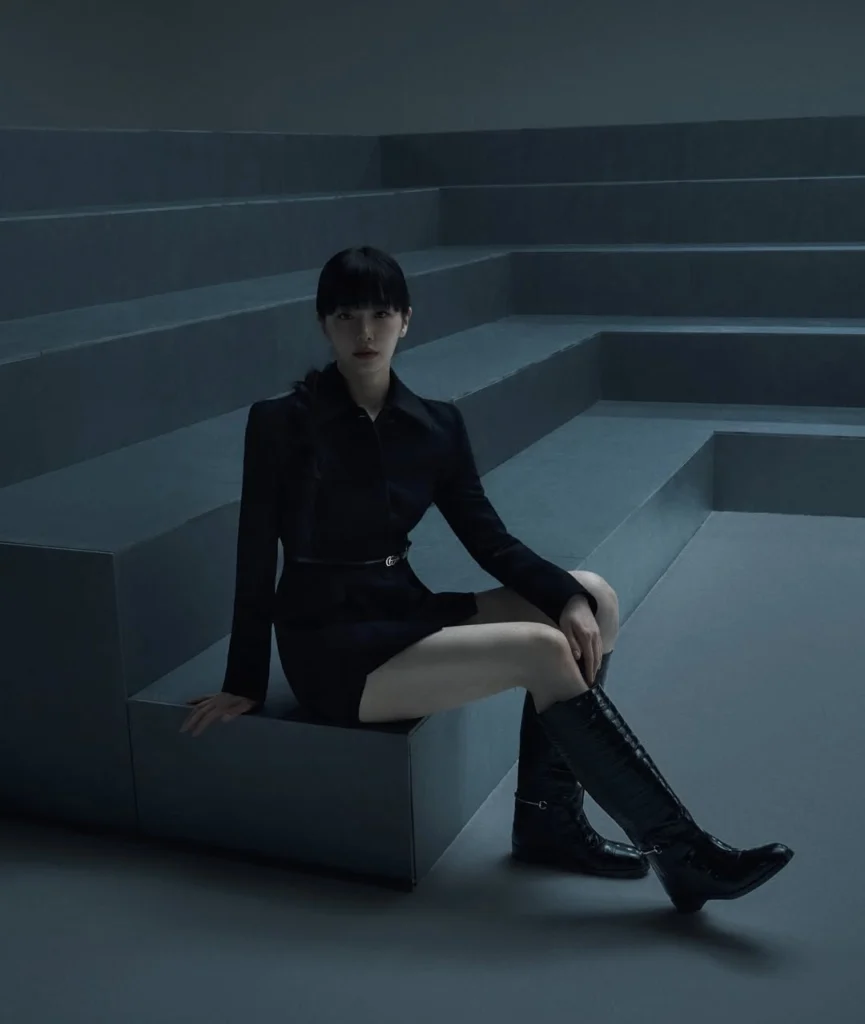
That same year she appeared in the acclaimed drama It’s Okay to Not Be Okay, a story exploring trauma, mental health and emotional healing. Although not the central protagonist, Park’s performance was memorable enough to propel her into a new phase of her career. Suddenly casting directors began to see her not merely as a supporting presence but as someone capable of leading a story.
The transformation became clear in 2021 with Dali and Cocky Prince, a romantic drama in which Park played the cultured yet financially struggling heiress Kim Dali. The series blended art history, humour and romance, offering her a character of unusual depth. She portrayed Dali as intelligent and quietly resilient rather than fragile, creating a heroine whose elegance concealed a stubborn determination. The role earned industry recognition and awards for best new actress, confirming that Park had crossed the threshold from emerging talent to leading figure.
What distinguishes Park from many of her contemporaries is the intellectual quality she brings to her characters. Perhaps it stems from her academic background in fashion and textiles. Clothing, after all, tells stories about identity and history, and Park often approaches her roles with similar curiosity about the cultural context behind each character. Interviews reveal an actor who enjoys exploring psychology rather than merely memorising dialogue.
Her versatility became increasingly evident in the years that followed. In 2023 she took on the lead role in the Netflix drama Celebrity, a satirical exploration of influencer culture and digital fame. Park’s character, Seo A-ri, navigates the seductive and ruthless world of online stardom, where popularity is measured in followers and scandals can destroy reputations overnight. The performance captured the strange paradox of contemporary celebrity. Fame can elevate ordinary individuals into global icons, yet it also exposes them to relentless scrutiny.
The role resonated strongly with viewers who recognised the darker realities behind social media glamour. Park portrayed A-ri not simply as a victim of the system but as someone gradually learning how to navigate it. In doing so she mirrored the experience of many modern public figures who must negotiate identity, ambition and authenticity in an environment shaped by algorithms.
Later that same year she appeared in the romantic fantasy A Good Day to Be a Dog, further demonstrating her willingness to experiment with genre. Romantic comedy, supernatural storytelling and psychological drama may appear worlds apart, yet Park moves between them with surprising ease. The key lies in her acting style. She rarely relies on exaggerated emotion. Instead she builds characters through small gestures, glances and carefully controlled expressions.
Her international profile expanded dramatically when she joined the cast of the global phenomenon Squid Game. In its second season she portrayed Kang No-eul, a former North Korean soldier who becomes one of the masked guards enforcing the brutal competition. The role offered a perspective rarely explored in the series. Rather than focusing on desperate contestants, it examined the moral conflict experienced by those forced to participate in the system from within.
No-eul’s motivation is deeply personal. She searches desperately for the daughter she lost during her defection, a quest that pushes her toward morally ambiguous choices. For Park the character represented a new emotional challenge. Guards in the show appear faceless and mechanical, yet she sought to reveal the humanity beneath the uniform. The result was a portrayal that complicated the audience’s perception of the series’ villains. Instead of simple antagonists, they became individuals trapped in a system of exploitation.
The global success of Squid Game brought Park onto the international stage in a way few Korean actors experience. Premieres and press events around the world introduced her to audiences far beyond Asia. At the London premiere for a later instalment of the series, observers noted her effortless command of English and her ability to communicate comfortably with international media.
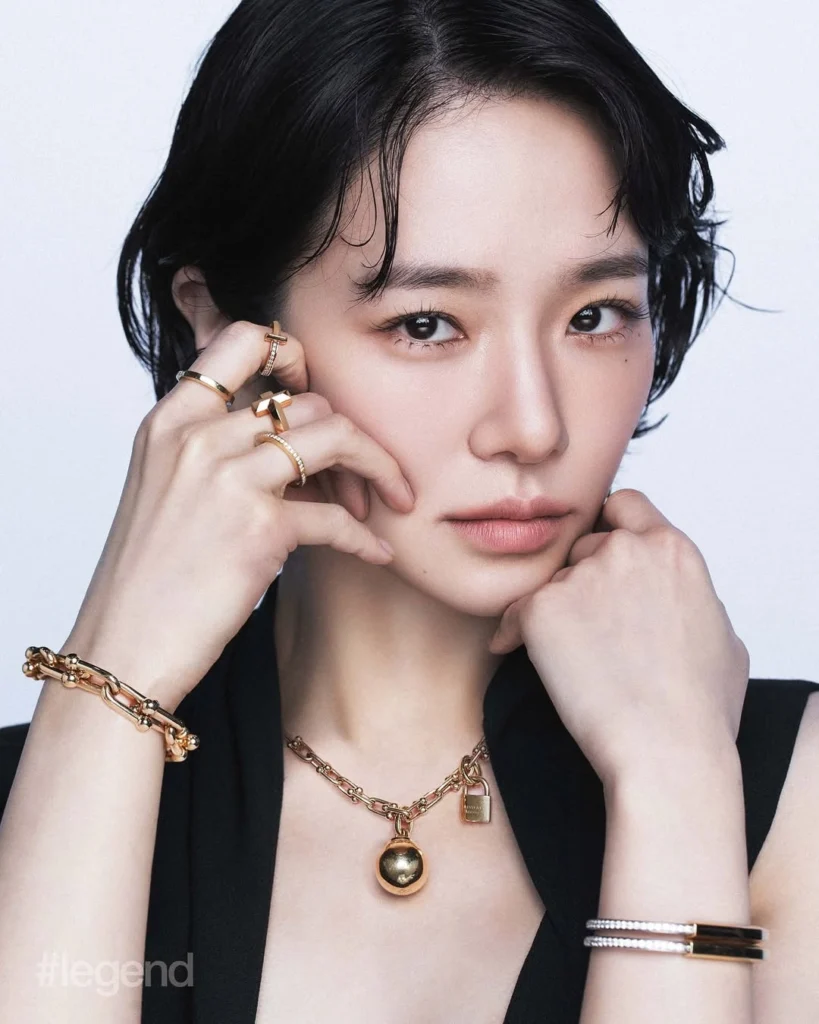

It was a small but telling moment. Korean actors are increasingly becoming global ambassadors for their country’s cultural wave, and Park seems particularly well suited to that role. Despite this expanding fame, her life away from the camera remains surprisingly disciplined and private. Friends often describe her as introspective rather than flamboyant. She maintains a routine that includes ballet practice and regular gym sessions, habits that help her maintain both physical stamina and mental clarity amid demanding filming schedules.
For Park, performance is not merely about emotional expression but about balance. She has spoken about the importance of returning to herself after inhabiting intense characters, creating boundaries between the roles she plays and her personal identity. There is also a quiet sense of humour behind the composed public image. In interviews she often laughs about the contrast between her on screen personas and her own personality.
Characters may be tragic, obsessive or romantically complicated, yet Park herself tends to speak with warmth and understated wit. The contrast reminds audiences that actors inhabit worlds far removed from their everyday lives. Her off screen interests reveal another dimension. Fashion, unsurprisingly given her academic training, remains an enduring fascination. Park approaches clothing with the analytical eye of someone who understands its cultural language.
Whether attending premieres or posting images on social media, she treats style as a form of storytelling. The way a garment moves, the texture of fabric, the silhouette of a coat all become part of a visual narrative about identity. yet perhaps the most intriguing aspect of Park’s career is how closely it mirrors the transformation of Korean entertainment itself.
Over the past decade South Korea has become one of the most influential cultural exporters in the world. Television series, music and cinema now shape global conversations about storytelling and aesthetics. Park emerged at precisely the moment when this cultural tide reached its peak. Rather than resisting the globalisation of Korean drama, she has embraced it as an opportunity for cross cultural dialogue.
Looking ahead, the trajectory of her career suggests even greater ambition. The continuing chapters of Squid Game promise to deepen the story of Kang No-eul and explore the moral dilemmas surrounding the games themselves. At the same time industry rumours frequently link Park with new international collaborations and streaming projects that aim to bridge Asian and Western audiences. Her fluency in English and natural composure before global media make her an ideal candidate for roles that cross linguistic and cultural boundaries.
There is also speculation that she may return to film in a more substantial way. Cinema offers a different artistic rhythm from television. Longer production cycles and carefully crafted narratives allow actors to explore characters with greater psychological depth. For someone as thoughtful as Park, the medium could become an exciting new chapter.
What remains constant throughout her journey is a sense of quiet persistence. Park Gyu-young did not become a star overnight. Her success emerged through years of steady work, from brief television appearances to international streaming hits. Each step added another layer to her craft.
In an era when fame can appear instantaneous and fragile, her career offers a more enduring model. It is built on education, discipline and an instinctive understanding that art evolves over time. The camera captures her characters with luminous clarity, yet behind the lens stands a woman who approaches acting with the patience of a scholar and the curiosity of an observer.
For audiences around the world she represents something increasingly rare in modern celebrity. Not simply a performer, but a cultural interpreter moving between languages, genres and audiences. As the global conversation around Korean storytelling continues to grow, Park Gyu-young stands at its centre, poised with the calm confidence of someone who understands that the most powerful performances often emerge not from spectacle but from quiet truth.