Spring 2026 Microtrends, How Street Style Is Interpreting Global Fashion
By Janhavi Gusani
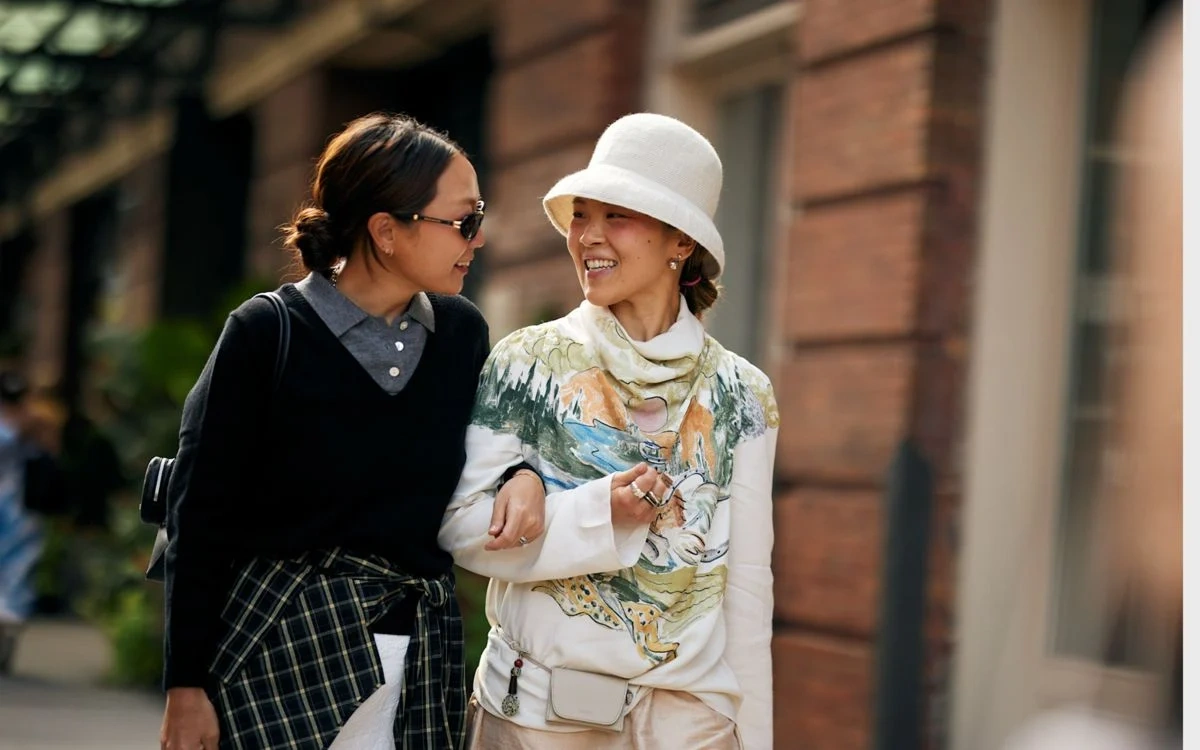
In Spring 2026, the most compelling runway is no longer confined to Paris, Milan, London, or New York. It unfolds daily across crosswalks in Seoul, café terraces in Tokyo, waterfront promenades in Sydney, and creative districts in Shanghai. For readers of Magnav Asia Pacific, the message is clear. Street style has evolved into a sophisticated interpretive lens through which global fashion is filtered, localized, and ultimately redefined.
The concept of the microtrend has matured. No longer fleeting fads that vanish within weeks, Spring 2026 microtrends operate as subtle codes embedded within everyday dressing. They are less about wholesale aesthetic shifts and more about recalibrations in proportion, texture, and intention. Street style, powered by social media yet grounded in lived experience, has become the primary translator of these shifts.
One defining microtrend is refined utility. Global runways signaled a return to pragmatic silhouettes, but on the streets of Asia Pacific, this practicality has been elevated with polish. Lightweight cargo trousers are tailored closer to the body, paired with structured blazers or silk knit tops. Functional pockets remain, yet they are integrated seamlessly rather than exaggerated. In humid urban climates, breathable technical fabrics are cut into elegant shapes, proving that utility and sophistication are not opposing forces.
Another prevailing theme is softened tailoring. Traditional suiting, long associated with rigid corporate codes, has been reimagined through relaxed shoulders and fluid draping. In Singapore’s business districts, oversized blazers in muted sand or dove gray are styled with pleated shorts or elongated skirts. The look balances authority with approachability. Street style enthusiasts interpret global luxury cues through regional sensibilities, adapting heavier European constructions into lighter silhouettes suitable for tropical environments.
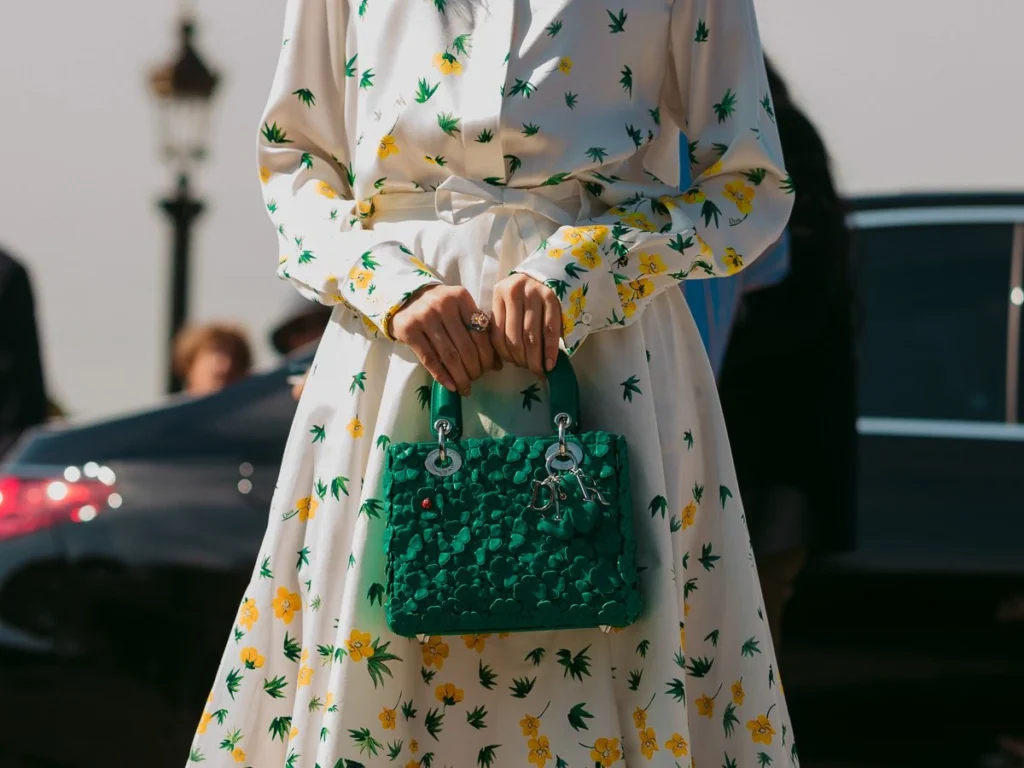
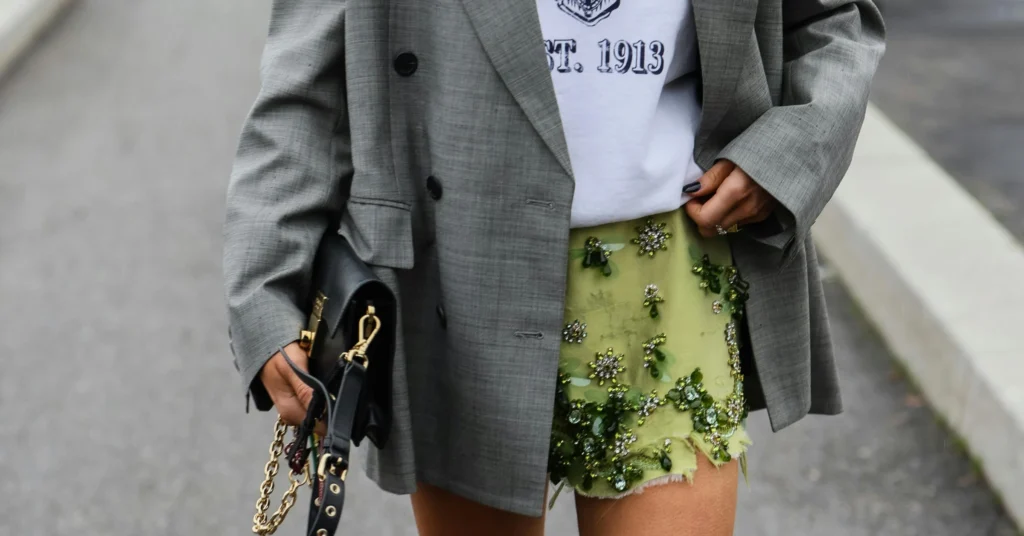
Color narratives this season are nuanced. While bold hues remain visible, Spring 2026 leans toward intelligent neutrals infused with subtle warmth. Buttercream, clay, sage, and mist blue dominate sidewalks as much as editorial spreads. These shades photograph beautifully in natural light, contributing to their popularity across digital platforms. The appeal lies in versatility. Such tones transition effortlessly from daytime meetings to evening gatherings, aligning with hybrid lifestyles that blur professional and personal spheres.
Texture layering represents another microtrend gaining momentum. Instead of piling on contrasting prints, street stylists experiment with tactile interplay. Sheer overlays atop matte cotton, brushed linen against polished leather, ribbed knits paired with fluid satin. The effect is dimensional yet controlled. This approach mirrors the broader 2026 ethos of restraint over excess.
Visual interest emerges through craftsmanship rather than embellishment. Accessories provide further evidence of localized interpretation. Global houses introduced sculptural bags and minimalist footwear, but street style in the Asia Pacific region tempers statement pieces with practicality. Structured handbags in architectural shapes are scaled down for daily commuting. Sleek leather sneakers replace towering heels, acknowledging the pace of urban mobility. Jewelry trends favor singular bold pieces, such as a wide cuff or asymmetrical earrings, echoing a move toward intentional adornment.
Sustainability remains embedded within these microtrends. Vintage markets in Tokyo and Seoul report rising demand for archival designer pieces re styled for contemporary contexts. In Sydney and Shanghai, independent labels champion upcycled fabrics and limited production runs. Street style photographs increasingly highlight repeat wear rather than constant novelty. The modern fashion enthusiast values narrative continuity over relentless consumption.
Gender fluid dressing continues to expand. Spring 2026 sees silhouettes crossing traditional boundaries with ease. Boxy shirts, wide leg trousers, and tailored vests appear across diverse identities, styled according to personal preference rather than prescribed norms. This fluidity reflects broader cultural conversations about individuality and inclusivity. Street style becomes a democratic platform where self definition takes precedence over rigid categorization.
Footwear microtrends offer particularly revealing insights. Slim profile trainers in monochrome palettes dominate metropolitan centers, replacing bulkier silhouettes of previous seasons. Ballet flats resurface in updated forms with squared toes and technical fabrics, interpreted by street stylists as both nostalgic and modern. Loafers remain strong, often worn with textured socks that add subtle contrast. These choices underscore a collective shift toward comfort integrated with considered design.
The influence of technology is visible yet understated. Smart textiles that regulate temperature or repel moisture are increasingly integrated into everyday garments, especially in climates prone to sudden weather changes. However, these innovations are rarely advertised overtly. Instead, they function quietly beneath polished exteriors, reinforcing the season’s preference for elegance rooted in functionality.
Social media platforms amplify these microtrends at unprecedented speed. A single image captured outside a café in Shanghai can inspire reinterpretations across continents within days. Yet unlike previous cycles defined by rapid replication, 2026 emphasizes personalization. Individuals adapt rather than copy. A global silhouette might be paired with regionally crafted accessories or heritage textiles, creating a dialogue between international influence and local identity.
For Magnav Asia Pacific, this interplay between global fashion houses and street level creativity underscores a broader cultural shift. Authority no longer flows in one direction from runway to consumer. Instead, a reciprocal relationship has emerged. Designers observe how collections are styled in real urban contexts, incorporating these organic adaptations into subsequent lines. Street style becomes both commentary and catalyst.
Economic considerations also shape microtrend adoption. Consumers demonstrate greater discernment, investing in pieces capable of anchoring multiple outfits. The capsule wardrobe concept has evolved into what might be called the dynamic core, a curated foundation enhanced by seasonal accents rather than overhauled entirely. Street style images reflect this continuity. The same tailored blazer appears across different settings, styled anew through layering or accessories.
Climate awareness further informs Spring 2026 dressing. Lightweight outerwear, adaptable layering pieces, and breathable fabrics dominate transitional wardrobes. In coastal cities, wind resistant jackets in muted tones are styled over minimalist ensembles. In warmer regions, loose silhouettes promote airflow while maintaining structural elegance. Fashion responds pragmatically to environmental realities without sacrificing aesthetic ambition.
Ultimately, Spring 2026 microtrends reveal that street style has matured into a sophisticated cultural interpreter. It absorbs global cues from established fashion capitals and refracts them through the lived experiences of diverse urban communities. The result is a mosaic of looks that feel cohesive yet distinctly localized.
For the Asia Pacific audience, this season affirms a confident position within the global fashion dialogue. Cities across the region are not merely consumers of trends but active contributors shaping their evolution. Street style photographers capture more than outfits. They document a region articulating its identity through fabric, silhouette, and stance.
As Spring unfolds, the sidewalks of Seoul, Tokyo, Sydney, and Shanghai will continue to function as open air ateliers. In these spaces, elegance is negotiated daily, influenced by climate, culture, and creativity. Microtrends may be subtle, but their cumulative impact is profound. They signal a fashion ecosystem increasingly defined by interpretation rather than imitation.
In 2026, the most influential statements are rarely shouted. They are worn with ease, photographed in passing, and shared across digital networks that connect continents in seconds. Street style, in its refined and reflective form, stands at the center of this exchange. Through it, global fashion finds new meaning, shaped not only by designers, but by the discerning individuals who bring garments to life on the streets of the Asia Pacific and beyond.