The Fluid Horizon of Eastern Sartorial Identity
By Raghda Mannai
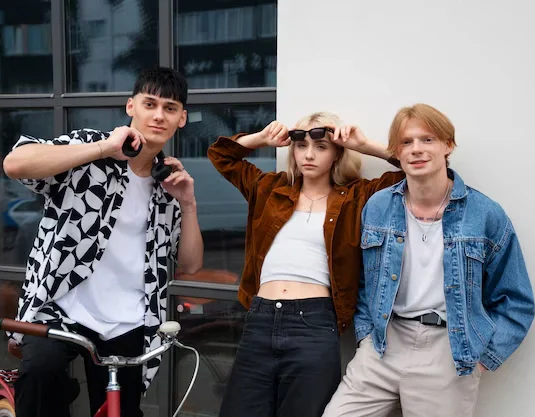
The evolution of gender-neutral fashion in Asia has moved far beyond the initial adoption of oversized streetwear to become a profound re-imagining of the relationship between the body and the garment. In 2026, the traditional binaries that once governed regional tailoring are being replaced by a design philosophy that prioritizes silhouette and textile over gendered expectations. This shift is not merely a stylistic trend but a reflection of a broader cultural dialogue taking place across major urban centers from Seoul to Bangkok, where the younger generation is increasingly viewing fashion as a tool for personal autonomy rather than a social categorization.
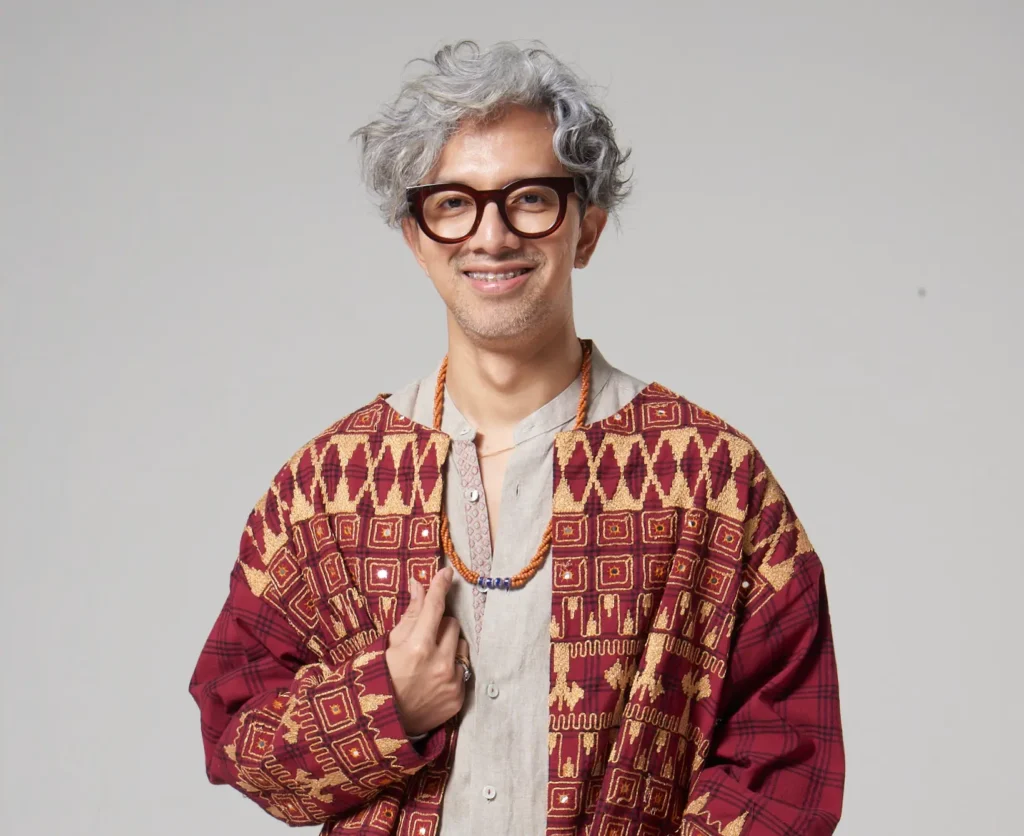
The architectural foundation of this movement lies in the strategic deconstruction of the classic suit and the traditional robe. Designers are increasingly utilizing soft tailoring and modular components that allow a single piece to be adapted to various body types without losing its intended aesthetic impact. In Japan, the concept of genderless kei has transitioned from a subcultural aesthetic into a dominant influence on mainstream luxury, where the emphasis on delicate fabrics and a sophisticated palette of neutrals challenges the historical ruggedness of menswear.
This approach has found a significant resonance among consumers who value the intellectual depth of a garment that does not immediately announce the gender of its wearer but instead invites an appreciation for its construction and drape. South Korea has played a pivotal role in normalizing this fluidity through the immense global influence of its pop culture icons. The visual language of K-pop has long embraced an aesthetic that blends masculine and feminine elements, creating a blueprint for a new type of modern elegance that is now being adopted by luxury houses across the continent.
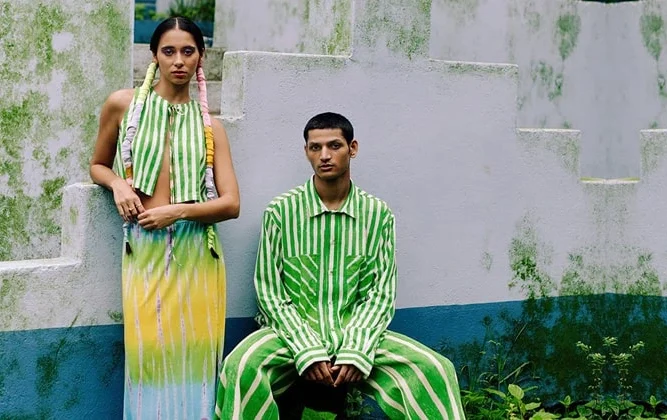
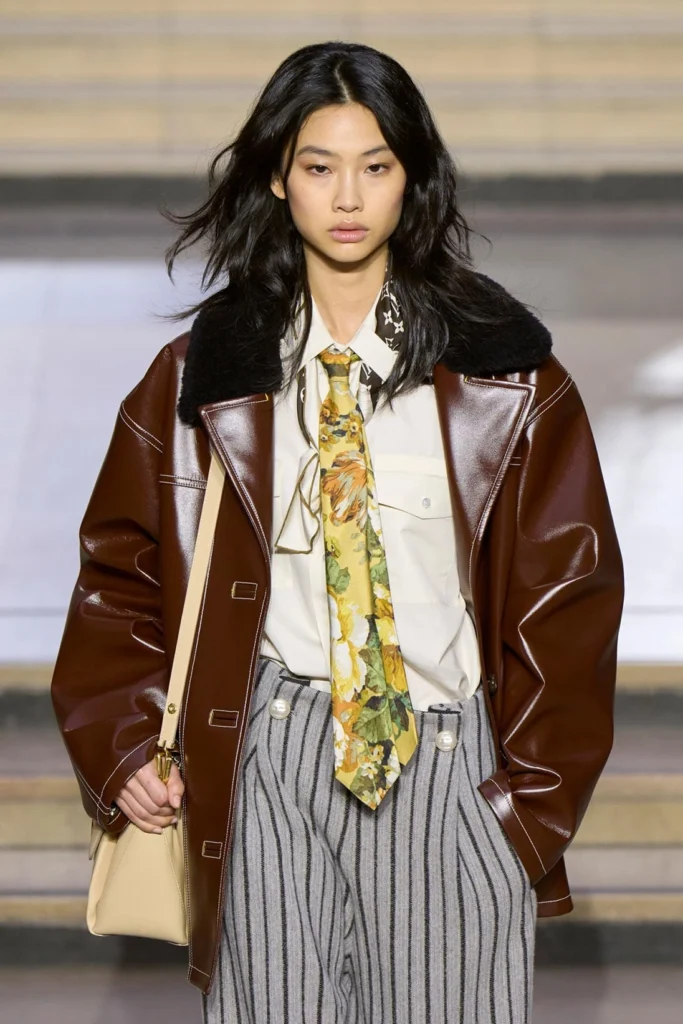
When a high-profile artist appears in a lace blouse or a pleated skirt, it is not seen as a provocation but as a sophisticated expansion of the available wardrobe. This has led to a surge in demand for jewelry and handbags that are marketed without gender labels, focusing instead on the craftsmanship and the story behind the brand.
In China, the rise of gender-neutral fashion is closely tied to the concept of individualistic luxury and the rejection of collective conformity. The new luxury consumer in Shanghai or Chengdu is often looking for pieces that offer a sense of uniqueness and edge, often finding this in independent labels that refuse to categorize their collections.
These brands are leveraging advanced fabric technologies to create materials that hold their shape while remaining fluid, allowing for a versatility that appeals to a highly mobile and digitally active demographic. The retail environment is adapting accordingly, with more flagship stores opting for open-concept layouts that organize clothing by color, texture, or occasion rather than by gender.
The economic drivers of this shift are substantial, as brands realize that removing gender barriers effectively doubles their potential market for any given item. By focusing on universal fits and adjustable detailing, luxury labels can streamline their production processes while offering a more inclusive experience.
This efficiency is further enhanced by the use of AI-driven sizing tools that help consumers find the perfect fit based on their specific measurements rather than a standardized gendered chart. This technological layer provides a level of confidence for the online shopper, ensuring that the fluidity of the design does not come at the expense of a precise and flattering fit.
As we look toward the future of the industry in Asia, it is clear that gender-neutrality is becoming the new standard for high-end design. The most successful houses are those that understand that the modern consumer is looking for fashion that reflects their internal complexity rather than their external category. This move toward a more inclusive sartorial language is enriching the global fashion landscape, introducing new silhouettes and textures that were previously restricted to one side of the aisle. The rise of gender-neutral fashion is a testament to the region’s ability to lead the global conversation on identity and expression, weaving a future where the only true constraint is the imagination of the wearer.