The Seamless Currency of Modern Confluence
By Raghda Mannai

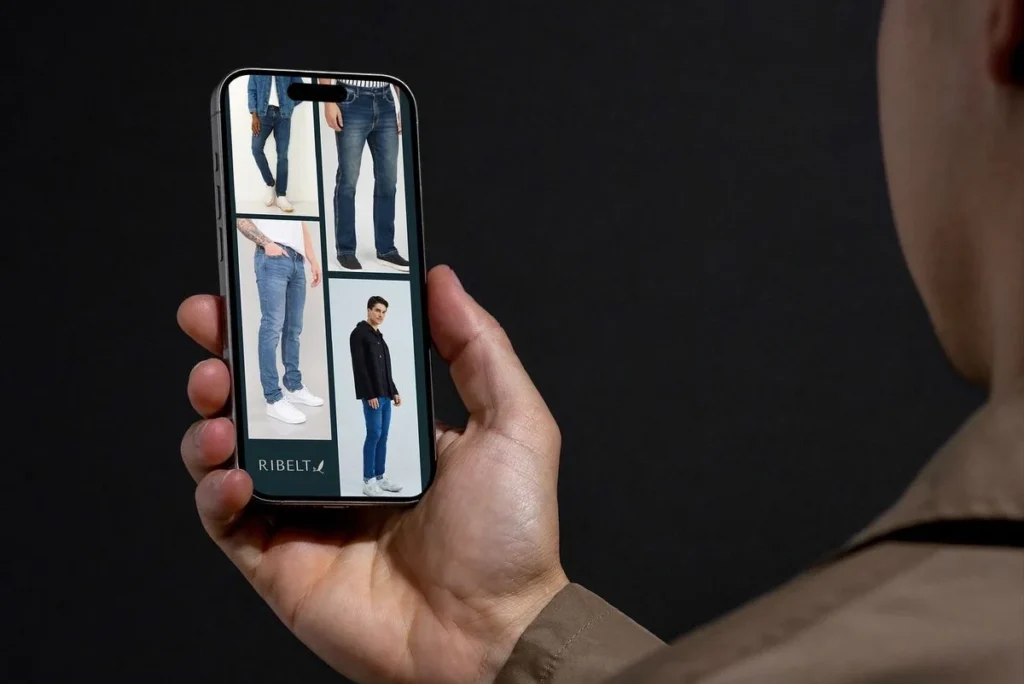
The landscape of luxury consumption in Asia has been fundamentally rewritten by the integration of the digital wallet into the core of the retail experience. In 2026, the act of purchasing a high-end asset is no longer a discrete financial transaction but a frictionless transition within a vast and interconnected ecosystem. From the super apps of China to the real-time payment rails of Singapore and India, the digital wallet has evolved from a simple storage tool into a sophisticated life management platform that dictates how the modern affluent consumer interacts with the world’s most prestigious brands. This shift has replaced the physical ritual of the credit card with a biometric and data-driven journey that prioritizes speed, security, and a deeply personalized level of service.
The primary driver of this transformation is the rise of the super app, which serves as a unified gateway for messaging, social commerce, and financial management. In markets like Indonesia and Thailand, these platforms have become the default interface for luxury discovery and acquisition. A consumer might follow a live stream of a new collection launch, engage in a real-time consultation with a brand specialist, and complete a high-value purchase using a single biometric scan, all without ever leaving the application environment. This level of vertical integration has eliminated the friction points that once characterized cross-platform shopping, allowing luxury houses to capture the immediate intent of the buyer with unprecedented efficiency.
Furthermore, the introduction of advanced cross-border payment networks has revolutionized the luxury travel and tourism sector. Initiatives such as the unified QR corridors across Southeast Asia and the deepening links between national instant-payment schemes mean that a traveler from Hong Kong can shop in a boutique in Tokyo or Seoul with the same ease as they would at home. The digital wallet automatically handles currency conversion at competitive rates while ensuring that loyalty points and tax-free benefits are calculated and applied in real time. This interoperability has made the regional luxury market more cohesive, encouraging a fluid movement of capital that follows the latest trends and exclusive drops regardless of geographic boundaries.
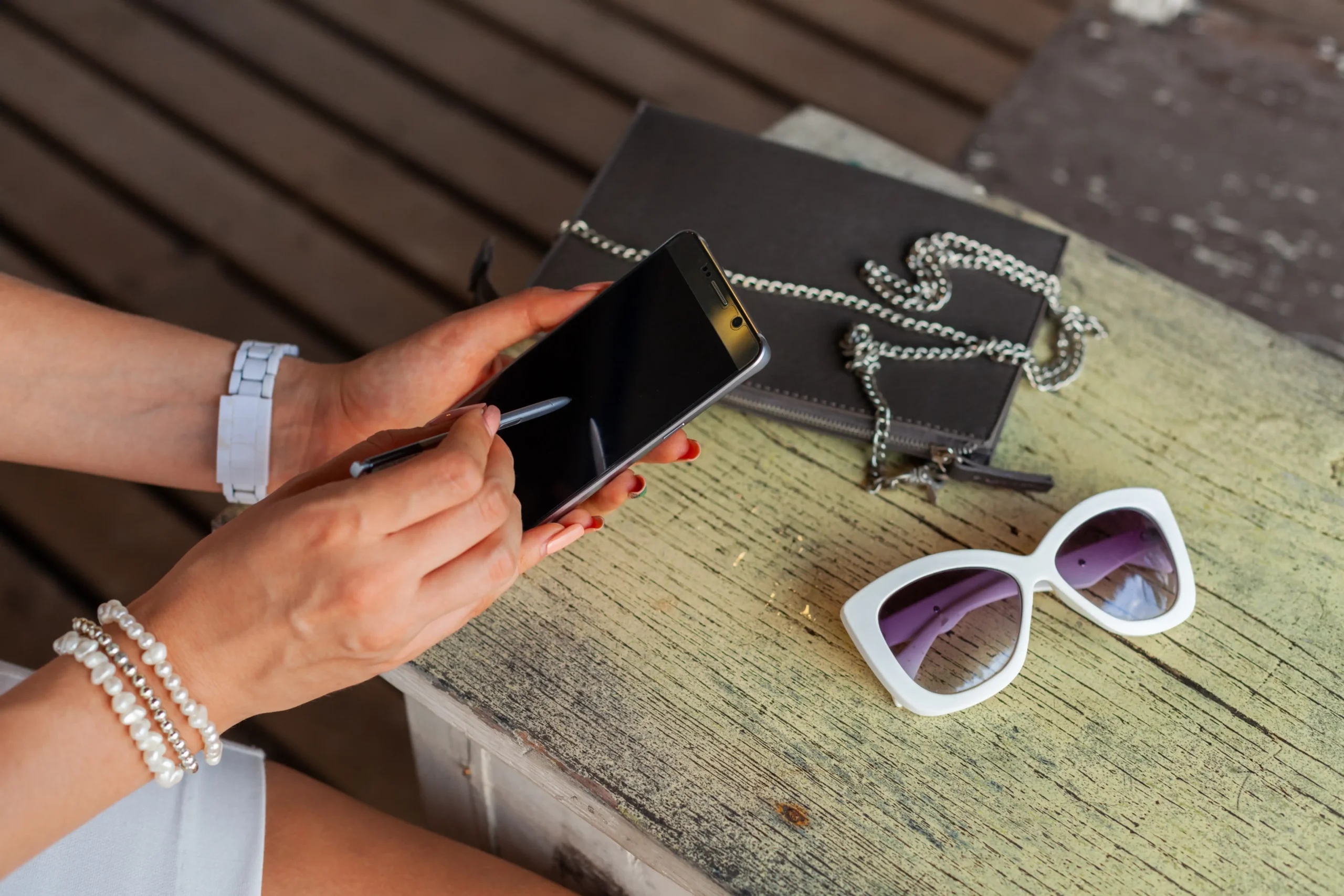
The nature of luxury spending itself is also being reshaped by the emergence of flexible payment models integrated directly into these digital interfaces. The adoption of buy now pay later services among the affluent younger generation is not necessarily a reflection of financial constraint but a strategic choice for liquidity management. By utilizing these tools, consumers can participate in high-value auctions or secure limited-edition items while maintaining control over their cash flow. This trend is supported by AI-driven credit scoring within the wallet, which offers instant approval for micro-loans based on a holistic view of the user’s digital footprint rather than traditional and often slower banking metrics.
Security and trust remain the cornerstones of this digital-first economy. In 2026, the use of tokenization and decentralized identity systems has significantly reduced the risk of fraud, a critical concern for those making substantial investments in watches, jewelry, or fine art. Biometric authentication, including iris and facial recognition, has become the standard for authorizing large transactions, providing a level of protection that exceeds the capabilities of physical signatures or PIN codes. This environment of high-tech safety has emboldened consumers to move larger portions of their wealth into digital formats, further fueling the growth of the luxury sector.
As we look toward the future, the digital wallet is set to become even more intelligent through the integration of agentic commerce. AI assistants residing within the wallet will be capable of navigating the global marketplace to find the best value for a specific rare item, managing digital receipts for insurance purposes, and even facilitating the resale of goods on authenticated secondary platforms. This means the digital wallet is no longer just a way to pay but a comprehensive asset management tool that tracks the lifecycle of a luxury purchase from the initial moment of desire to its eventual transition to a new owner. In this new era, the most successful luxury brands will be those that integrate most naturally into this invisible and highly efficient financial architecture.