Across Asia’s sidewalks, the streets speak,just not in words. In Seoul, a sharply tailored coat and meticulously layered neutrals turn discipline into art, every silhouette precise and camera-ready. In Tokyo, the rules dissolve into beautiful rebellion, within Harajuku, colors clash deliberately, vintage lace meets futuristic vinyl, and self-expression feels theatrical yet intentional. In Bangkok, the heat shapes the rhythm; linen billows, neon prints catch the tropical sun, and style breathes with the humidity. Each city carries its own tempo, stitched into fabric and worn with quiet confidence.
Further south, the narrative deepens. In Manila, heirloom textiles pair effortlessly with global streetwear, blending memory and modernity in a single look, heritage worn proudly rather than preserved. In Jakarta, modest fashion unfolds through fluid lines and architectural cuts, where tradition and contemporary design move in harmony. Across these dynamic capitals, street style is never merely clothing; it is biography written in cotton, silk, and denim, an evolving language of climate and culture, rebellion and restraint, spoken boldly on every corner.
Seoul Polished Rebellion
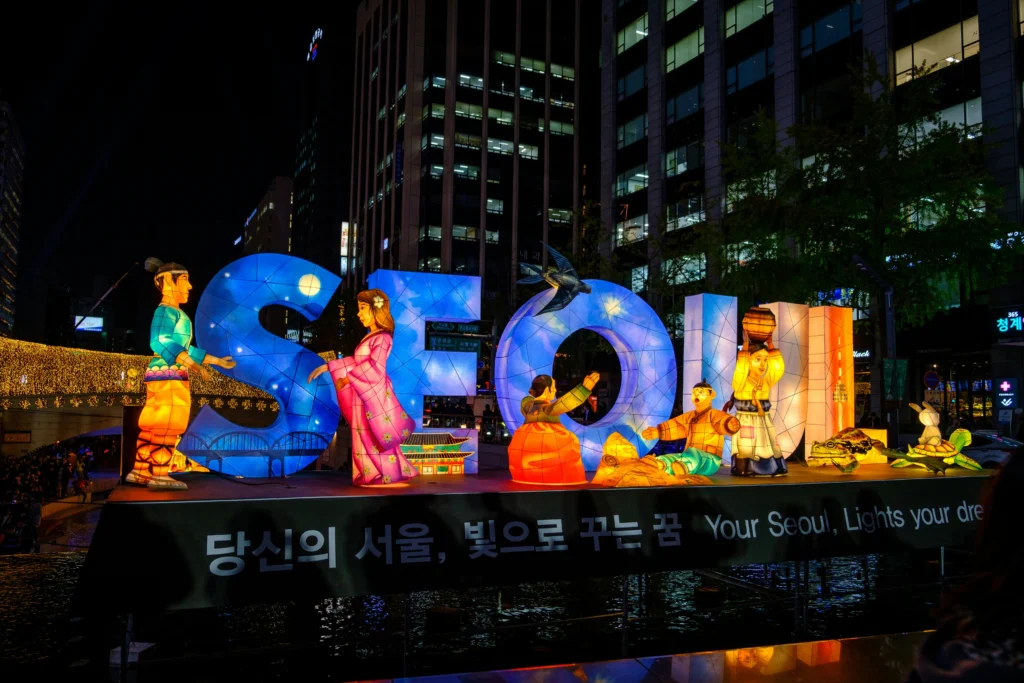
In Seoul, street style unfolds like a carefully edited film, precise in composition, yet playful in spirit. Oversized silhouettes dominate the frame, boxy blazers layered over crisp shirts, wide-leg trousers grazing polished sneakers, structured coats anchoring the look. Neutrals, black, beige, and charcoal form the foundation, creating a restrained canvas that allows unexpected details to stand out.
Chunky sneakers ground the outfit, micro bags add sharp contrast, and tinted sunglasses introduce a subtle edge. Influenced by K-pop and a thriving ecosystem of local designer labels, every ensemble feels intentional, balanced between experimentation and control.
Districts such as Hongdae and Garosu-gil function as open-air runways where youth culture meets meticulous polish. The aesthetic is rarely accidental; it is curated, camera-ready, and digitally fluent. Social media accelerates the lifecycle of trends, giving rise to micro-styles that emerge and fade within a single season. The result is a sartorial language that feels both disciplined and imaginative, rebellion refined through tailoring, creativity shaped by precision.
Manila Hybrid Expression
Manila’s style vocabulary is inherently hybrid, where Western streetwear staples, graphic tees, sneakers, denim, merge effortlessly with local sensibilities and a digitally driven confidence.
In Bonifacio Global City, athleisure leans polished and intentional, while in other corners of the city, thrift culture and DIY customization flourish with creative freedom. Logos, bold typography, and statement pieces echo a pop-cultural fluency shaped by music, basketball, and online communities, giving the streets a distinct expressive warmth. Rather than strict minimalism, Manila favors personality, an open, evolving dialogue between global influence and Filipino identity, worn with ease and authenticity.
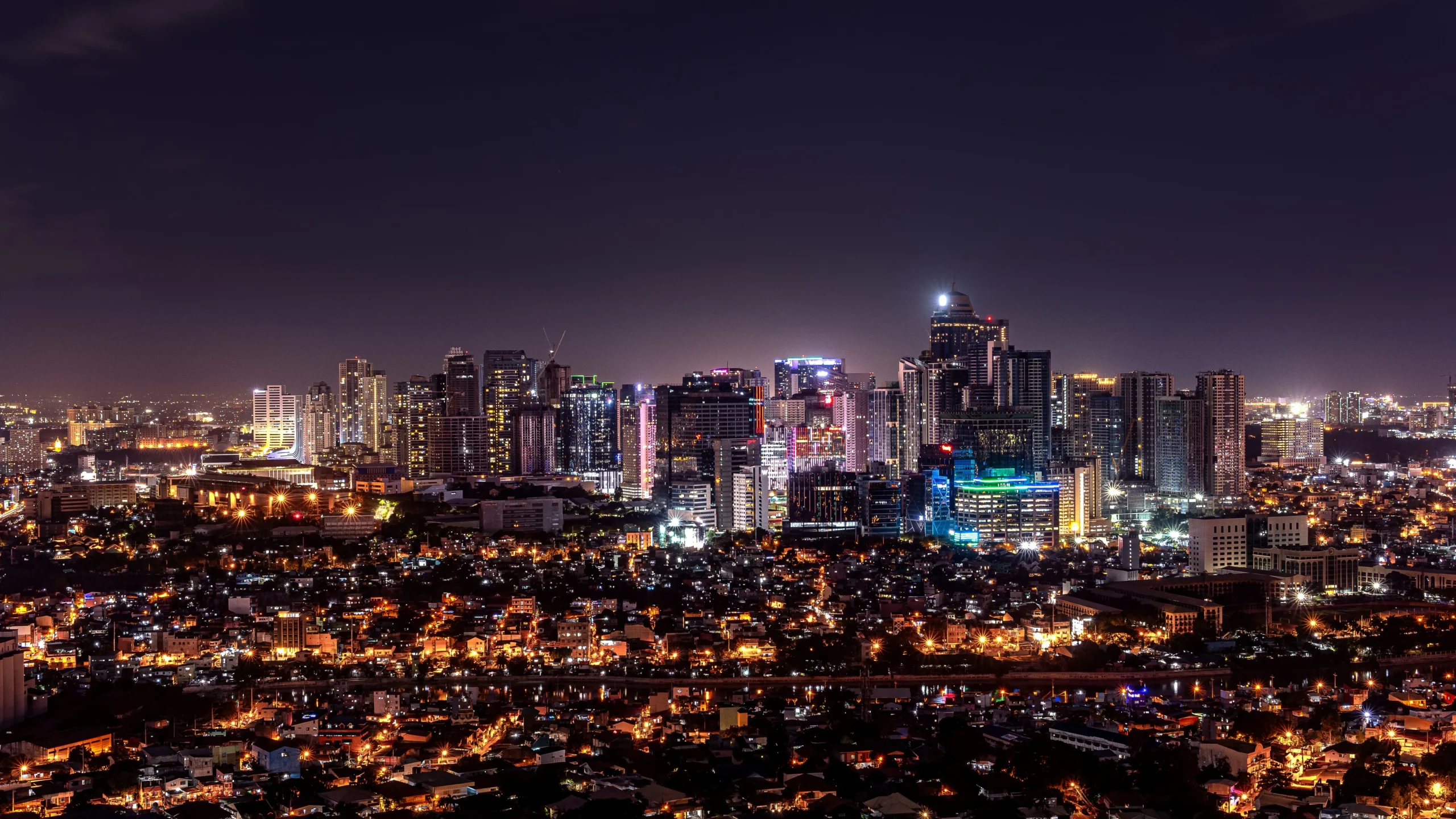
Jakarta Modest Modernity
Jakarta’s street language weaves modest fashion seamlessly into contemporary urbanwear, shaping silhouettes that feel expressive yet grounded in cultural values.
Layered tunics fall over tailored trousers, structured outerwear sharpens fluid lines, and carefully styled hijabs complete looks that balance intention with individuality.
In districts such as SCBD, global streetwear brands intersect with Indonesia’s expanding modest-fashion movement, creating a dialogue between international trends and local identity. Earth tones and soft pastels often set the palette, while bold accessories and statement sneakers inject urban energy. In Jakarta, modesty and modernity are not opposing forces but complementary dialects within a rapidly evolving sartorial narrative.
The Street as Cultural Script
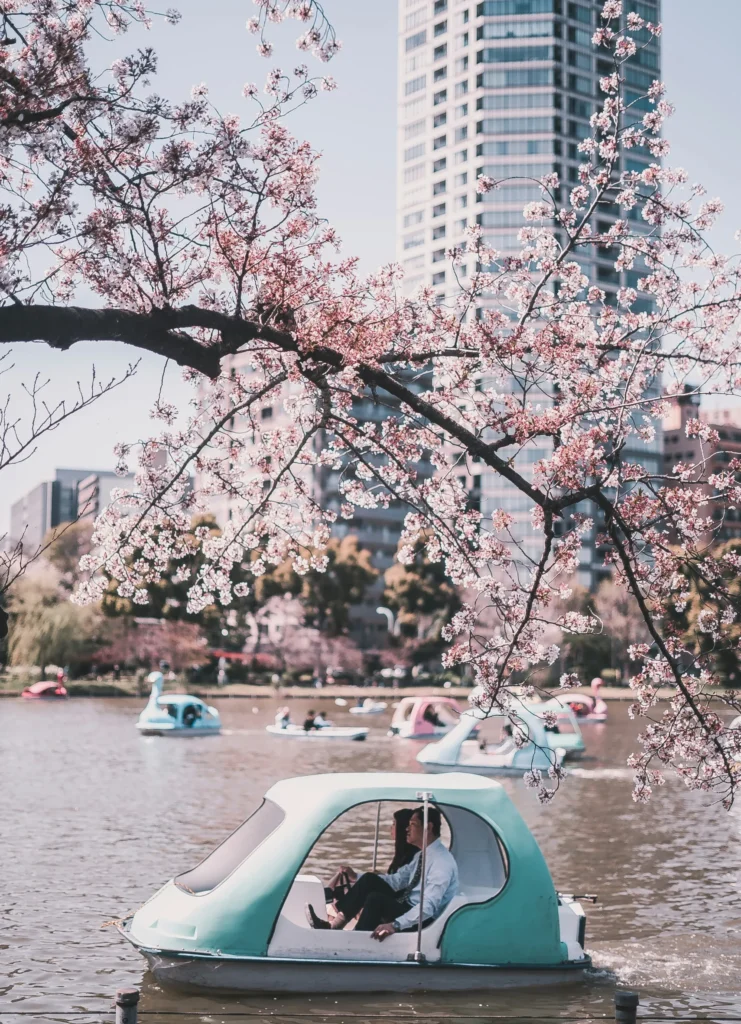
From Seoul to Tokyo, Bangkok, Manila, and Jakarta, five capitals compose five distinct dialects of style. Seoul refines with precision and polish; Tokyo experiments through subcultural narratives; Bangkok energizes under tropical light; Manila hybridizes global streetwear with local pulse; Jakarta harmonizes modesty and modernity.
Each city’s aesthetic grows from its climate, cultural memory, youth movements, and the accelerating force of digital platforms, shaping silhouettes that feel both local and globally conversant.
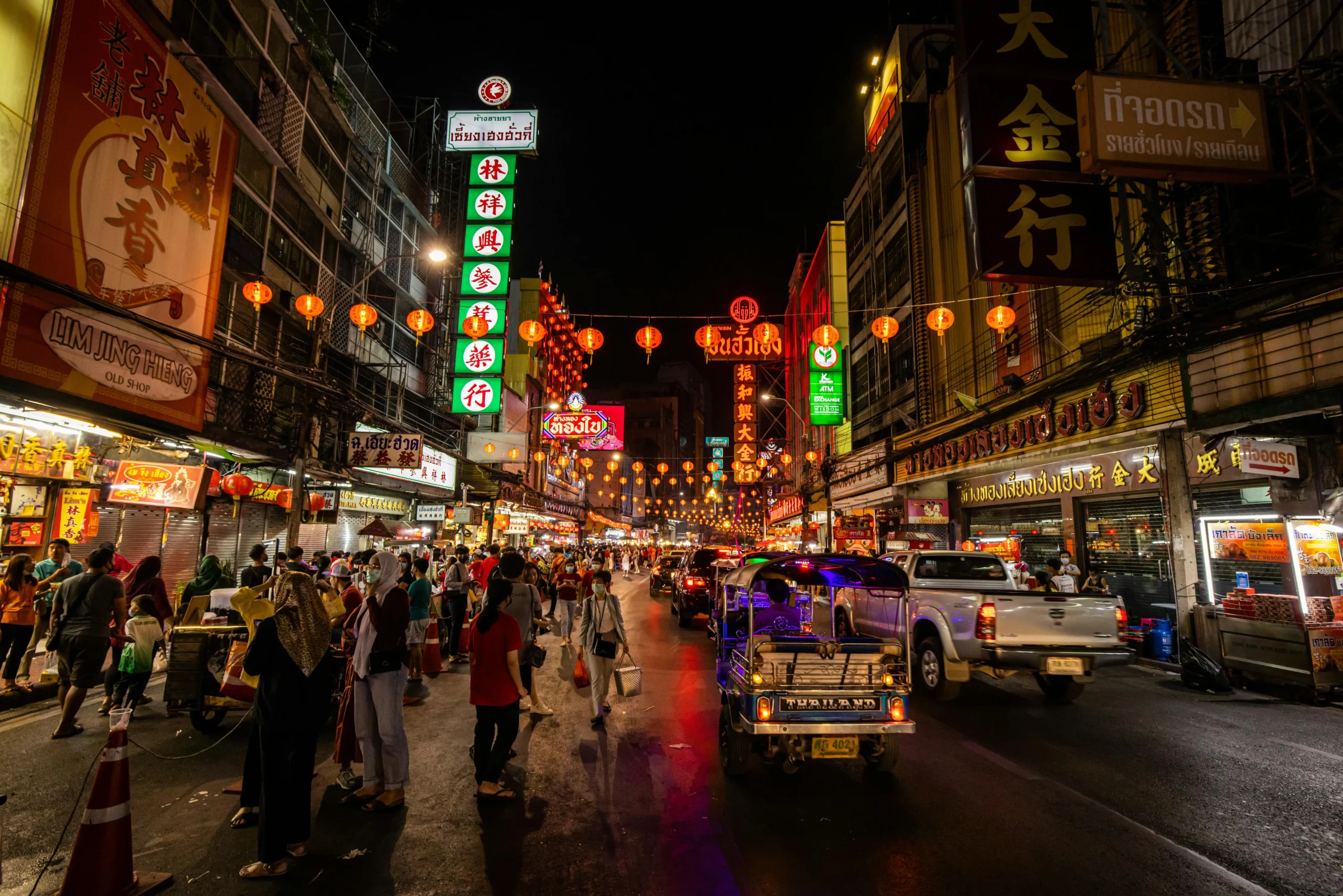
Together, these urban centers reveal that street style extends far beyond fabric and form. It becomes identity made visible, community expressed in layers and color, and a living grammar that evolves with every generation. In their contrasts and overlaps, these cities demonstrate that fashion on the street is not merely worn, it is spoken, shared, and continually rewritten across the ever-changing landscape of urban life.