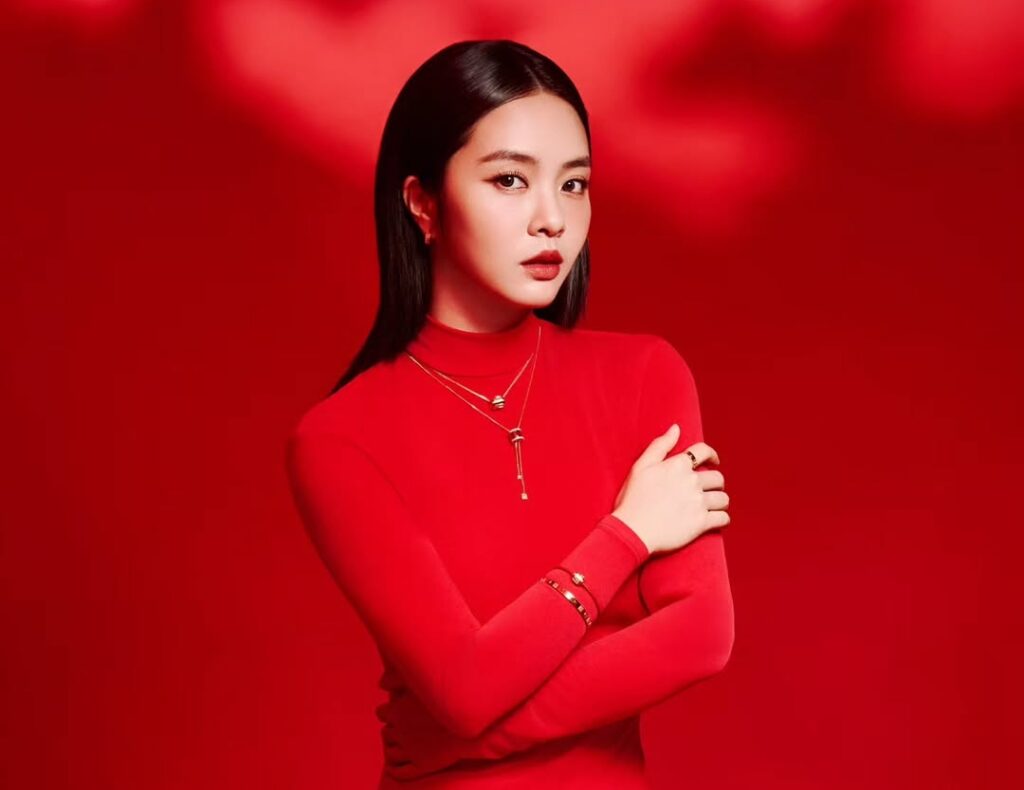
In the constellation of contemporary Asian entertainment, Chantalle Ng represents a new era of artistry shaped by discipline, cultural fluency, and quiet determination. Born on 17 June 1995 in Singapore, she has emerged as one of the most compelling faces of her generation. For audiences across the region, her journey reflects not only individual ambition but the maturation of Singapore’s creative industry on the global stage.
Chantalle Ng’s rise did not occur in isolation. Singapore’s media landscape has undergone significant transformation over the past decade, with production values, storytelling depth, and international collaboration expanding steadily. Within this dynamic environment, she carved a distinct identity defined by versatility and emotional intelligence. Her performances reveal a sensitivity that transcends dialogue, conveying nuance through expression and restraint rather than overt dramatics.
From her earliest appearances, it was evident that she possessed a natural affinity for the camera. Yet natural presence alone does not sustain longevity in a competitive field. Chantalle invested in craft, studying character psychology and narrative structure to deepen her portrayals. Directors and producers frequently note her preparation and professionalism on set. This commitment elevates each project she undertakes, reinforcing her reputation as an actress who approaches roles with intellectual rigor as well as instinct.
Her collaborations with Mediacorp have positioned her at the heart of Singapore’s television evolution. Through a range of drama series and contemporary narratives, she has explored characters that mirror the complexities of modern urban life. Themes of family expectation, personal ambition, and shifting cultural norms recur in her body of work, resonating strongly with viewers navigating similar realities.
What distinguishes Chantalle Ng is her ability to embody both vulnerability and strength within the same frame. She navigates emotional arcs with measured pacing, allowing audiences to witness transformation rather than merely observe it. In romantic storylines, she avoids cliché by grounding affection in subtle gestures. In dramatic confrontations, her restraint often proves more powerful than raised voices. This calibrated approach aligns with a broader shift in Asian television toward layered storytelling.
Fashion and public presence further amplify her influence. As Singapore positions itself as a hub of design and innovation, Chantalle’s style choices contribute to the city’s cultural narrative. She favors silhouettes that balance sophistication with modern ease, often incorporating regional designers alongside established international houses.
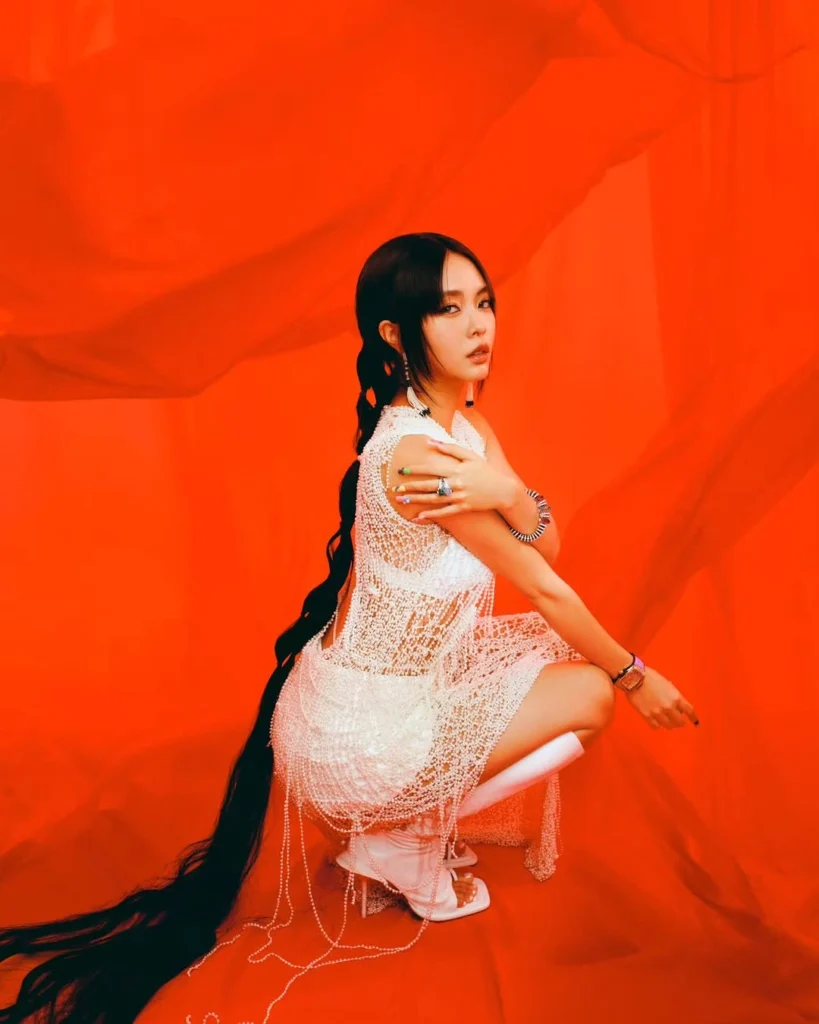
Each appearance feels intentional, reinforcing her image as both contemporary and culturally rooted. Beyond aesthetics, her interviews reveal thoughtful introspection. She speaks candidly about growth, resilience, and the importance of self awareness in an industry shaped by constant visibility. Such transparency resonates with younger audiences who seek authenticity in their public figures. By acknowledging the pressures inherent in performance careers, she humanizes the glamour often associated with acting.
Her heritage and upbringing in Singapore have shaped her worldview in distinctive ways. As a multicultural city state, Singapore fosters dialogue across languages and traditions. This environment informs her adaptability on screen. She moves seamlessly between tonal registers, reflecting the layered identities common in cosmopolitan societies. In doing so, she becomes a mirror for audiences who similarly navigate multiple cultural influences.
Digital platforms have extended her reach far beyond national borders. Streaming services enable regional dramas to find viewers across Asia and among global diasporas. Chantalle Ng’s performances circulate within this transnational ecosystem, contributing to the growing visibility of Singaporean talent. The expansion of distribution channels amplifies her potential impact, situating her within broader conversations about Asian representation in international media.
Critically, she approaches success with measured humility. Recognition and awards, while affirming, are treated as milestones rather than endpoints. Colleagues describe her as collaborative and attentive, qualities essential for ensemble storytelling. On set, she engages not only with directors but with crew members, understanding that performance is supported by collective effort.
Thematically, her recent projects reflect contemporary concerns. Storylines addressing generational divides, professional ambition, and emotional wellbeing echo societal shifts within Singapore and the wider Asia Pacific region. By embodying characters navigating these tensions, she contributes to cultural dialogue. Fiction becomes a space for audiences to examine evolving norms through empathetic lenses.
Her potential for cinematic expansion remains an intriguing prospect. As Southeast Asian film industries gain momentum, opportunities for cross border collaboration increase. Chantalle Ng’s disciplined technique and regional recognition position her well for roles that extend beyond television into feature films and international co productions. Such ventures would not only advance her career but further spotlight Singapore’s creative capabilities.
Importantly, she represents a generation of artists redefining what it means to be glamorous. In contrast to older paradigms centered solely on allure, modern screen presence integrates intelligence, advocacy, and emotional resonance. Chantalle embodies this integrated model. Her glamour feels lived in rather than constructed, arising from confidence in craft and clarity of self.
Community engagement also forms part of her evolving profile. Participation in charitable initiatives and public campaigns underscores a sense of responsibility accompanying visibility. In a media landscape where influence can shape public discourse, she demonstrates awareness of the broader implications of her platform.
As Singapore continues to invest in arts and cultural infrastructure, figures like Chantalle Ng become ambassadors of its creative ambition. The city’s skyline, synonymous with architectural precision, finds a parallel in her measured performances. Both reflect discipline, design, and forward vision. Through her work, audiences witness a narrative of national maturation expressed through individual artistry.

Looking ahead, her trajectory suggests sustained evolution rather than sudden reinvention. Each role builds upon the last, adding depth and complexity to her portfolio. This gradual expansion fosters durability in an industry often characterized by fleeting attention. By prioritizing growth over hype, she secures a foundation for long term relevance.
For readers observing the intersection of culture and identity in the Asia Pacific, Chantalle Ng’s journey offers a compelling case study. She embodies the confidence of a generation raised in interconnected environments, comfortable navigating both local traditions and global platforms. Her presence on screen affirms that Singaporean talent can command attention without sacrificing authenticity.
Ultimately, Chantalle Ng stands not only as an अभिनेत्री but as a symbol of creative progression. Through disciplined craft, cultural sensitivity, and evolving vision, she contributes to a narrative larger than herself. In doing so, she reinforces Singapore’s place within the broader tapestry of Asian storytelling, carrying forward a legacy of elegance and emotional truth that continues to unfold with each new performance.