
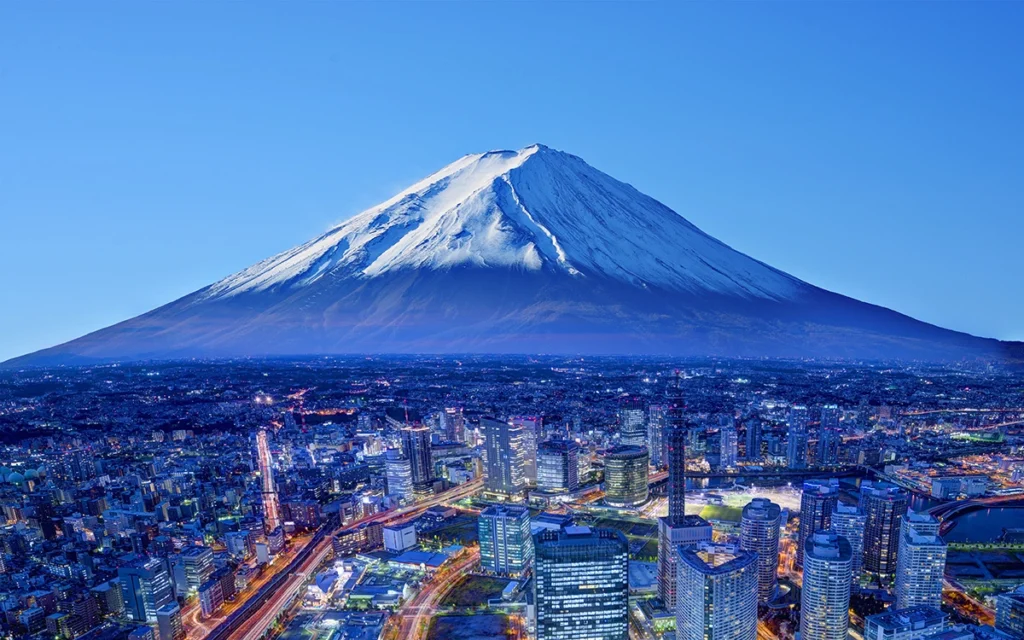
In 2026, Japan stands at the intersection of precision and poetry, innovation and introspection. Its future aesthetic is not defined by spectacle alone, but by a deliberate synthesis of sustainability, advanced technology, and an evolving culture of conscious leisure. For readers of Magnav Asia Pacific, Japan’s trajectory offers a compelling blueprint for how tradition rich societies can navigate modern complexity without sacrificing identity.
From the streets of Tokyo to the art islands of Naoshima, a cohesive design philosophy is emerging. It is minimalist yet warm, technologically advanced yet human centered. The Japanese future aesthetic does not chase novelty for its own sake. Instead, it refines, edits, and elevates daily life through thoughtful integration.
Sustainability anchors this evolution. Long before environmental consciousness became a global imperative, Japanese culture embraced principles of respect for materials and mindful consumption. Concepts such as mottainai, which expresses regret over waste, now resonate powerfully in contemporary design and fashion. In 2026, this ethos is visible in architecture that prioritizes natural ventilation and renewable materials, in fashion labels that champion circular production, and in product design that favors longevity over disposability.
Major brands such as Uniqlo exemplify this approach by investing in fabric innovation that reduces environmental impact while enhancing durability. Technical outerwear designed for urban commuters balances weather resistance with recyclability.
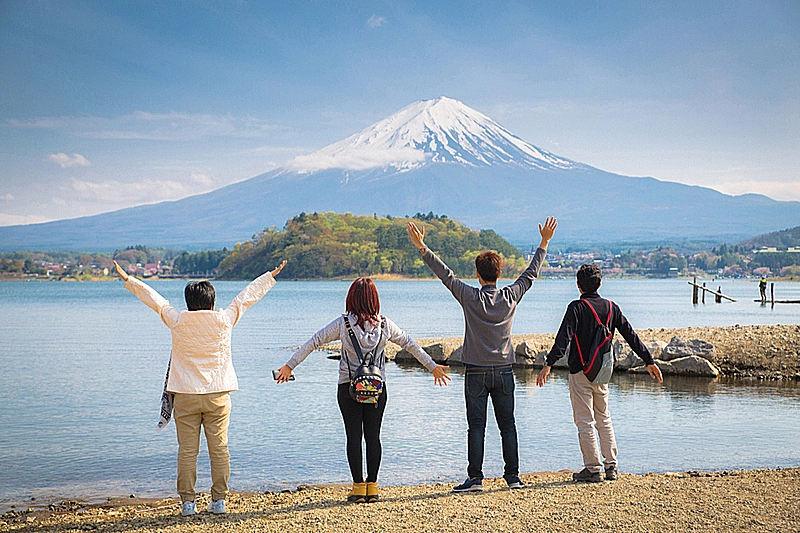
The aesthetic remains understated, but its engineering is meticulous. Consumers respond not only to appearance but to accountability. Technology in Japan’s future aesthetic is seamlessly embedded rather than ostentatious. Robotics, artificial intelligence, and smart infrastructure operate quietly in the background, enhancing efficiency without overwhelming the senses. In retail environments across Tokyo, interactive mirrors suggest styling options while tracking garment life cycles. Smart homes integrate energy monitoring systems that encourage responsible consumption. The emphasis is not on visible circuitry but on invisible intelligence.
This restraint reflects a broader cultural preference for harmony. Technology must coexist with nature rather than dominate it. In newly developed neighborhoods, greenery is woven into urban planning. Rooftop gardens and vertical forests soften skylines defined by steel and glass. Public spaces invite pause rather than rush. The city becomes a living organism balancing movement and stillness.
Fashion mirrors this philosophy. The Japanese future aesthetic favors fluid silhouettes, breathable fabrics, and neutral palettes grounded in earth tones. Designers draw inspiration from traditional garments such as the kimono, reinterpreting their layered construction into contemporary coats and wrap dresses. Street style in Tokyo blends technical sneakers with tailored linen sets, creating ensembles that transition effortlessly between work and leisure. The result is elegance without rigidity.
Conscious leisure emerges as a defining cultural shift. After years of relentless productivity, a new generation is redefining success to include rest, creativity, and mental clarity. Cafés designed for quiet reflection thrive alongside co working spaces. Wellness retreats in regions such as Hakone combine digital detox programs with immersive natural experiences. Leisure is no longer indulgence. It is strategy.
Hospitality reflects this recalibration. Luxury ryokans integrate smart climate control systems while preserving tatami rooms and communal baths. Guests experience tradition enhanced by subtle innovation. The future aesthetic thus honors continuity. Technology amplifies comfort, but ritual remains intact.
Art and design institutions further articulate this synthesis. Exhibitions in Tokyo and beyond explore themes of climate resilience, material experimentation, and digital craftsmanship. Artists collaborate with engineers to create installations powered by renewable energy. The boundary between gallery and laboratory dissolves. Creativity becomes a site of environmental dialogue.
Importantly, Japan’s future aesthetic extends beyond elite circles. Community initiatives encourage repair culture and local production. Workshops teaching garment mending and furniture restoration gain popularity among younger demographics. This revival of hands on engagement counters the anonymity of mass manufacturing. Craft regains social value.
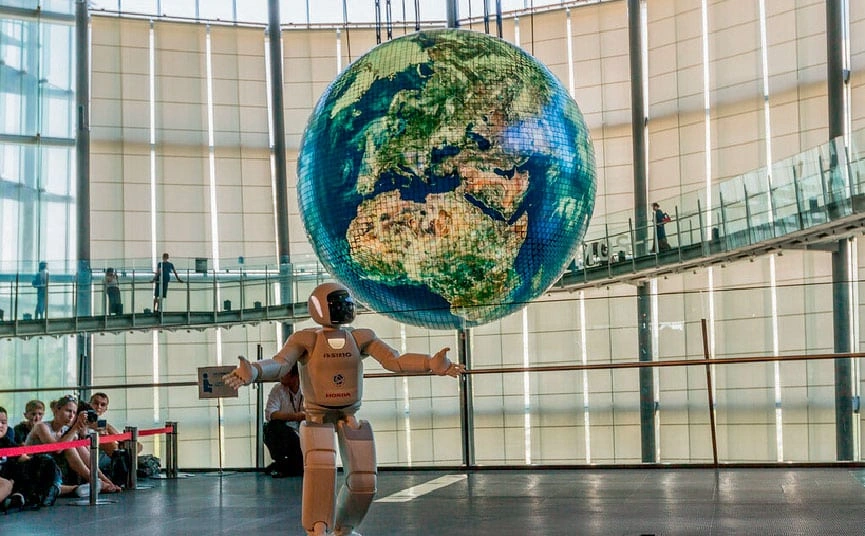
Transportation innovations also shape daily aesthetics. Electric vehicles and high speed rail networks operate with quiet precision, reducing noise pollution and carbon emissions. Bicycle friendly urban planning encourages slower, more mindful commuting. The visual rhythm of the city shifts accordingly. Movement feels intentional rather than chaotic.
Digital culture complements rather than eclipses physical experience. Virtual reality platforms allow users to explore historical sites or experimental art spaces remotely, yet they often inspire real world visits. Technology becomes a gateway rather than a substitute. This balanced integration reinforces Japan’s distinctive approach to progress.
For Magnav Asia Pacific, Japan’s model offers insight into how advanced economies can recalibrate priorities without abandoning ambition. The rise of conscious leisure does not signal stagnation. Instead, it reflects strategic adaptation to burnout and environmental strain. By embedding sustainability within design and aligning technology with human wellbeing, Japan crafts a future aesthetic grounded in responsibility.
Corporate culture is gradually echoing this shift. Flexible work structures and emphasis on employee wellness gain traction. Offices incorporate natural materials and daylight optimization to enhance focus. Leadership discourse increasingly acknowledges that innovation thrives in environments that respect mental space.
The global influence of Japan’s aesthetic remains potent. International designers study its ability to harmonize simplicity with sophistication. Tourists seek immersive experiences that reflect this ethos. Exported products carry with them an implicit philosophy of precision and care.
Looking ahead, the trajectory suggests continued refinement. Advances in biodegradable materials, renewable energy integration, and adaptive architecture will likely deepen the synthesis of sustainability and technology. Yet the core principle will remain unchanged. Progress must feel humane.
Japan’s future aesthetic in 2026 is not loud. It does not rely on dramatic contrasts or flamboyant declarations. Instead, it whispers with confidence. It invites reflection while delivering functionality. It demonstrates that innovation can be gentle, that luxury can be responsible, and that leisure can be purposeful.
In a world grappling with environmental urgency and digital saturation, Japan offers a vision of balance. Its cities, garments, and public spaces articulate a quiet conviction that beauty lies in coherence. Sustainability grounds the structure. Technology refines the experience. Conscious leisure restores the spirit.
For observers across the Asia Pacific and beyond, this evolving aesthetic serves as both inspiration and challenge. It asks whether progress can be measured not only by speed and scale, but by harmony. In answering that question, Japan continues to shape a future that feels considered, elegant, and profoundly attuned to the rhythms of modern life.