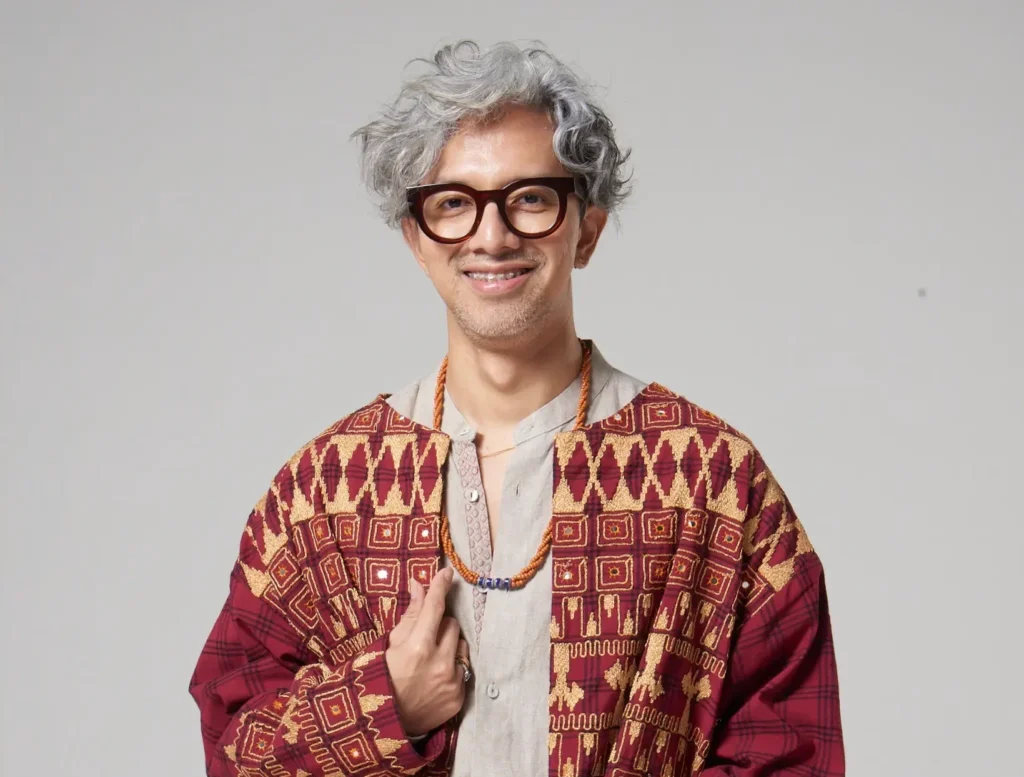
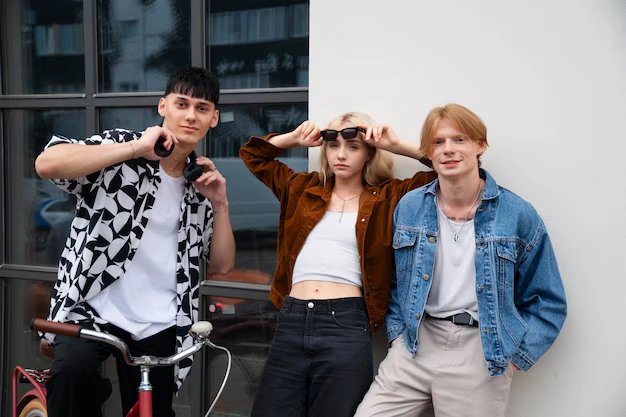
In 2026, fashion’s most powerful creative directors do not necessarily sit in heritage ateliers or corporate headquarters. They scroll, remix, thrift, code, and customize. Gen Z and the emerging Gen Alpha are not merely consuming fashion. They are reconstructing it from the inside out. For readers of Magnav Asia Pacific, this generational shift signals a profound recalibration of influence across the Asia Pacific and beyond.
Gen Z, broadly born between the late 1990s and early 2010s, matured alongside smartphones and social platforms. Gen Alpha, the first fully digital native cohort, approaches fashion as fluid content as much as physical product. Together, they treat clothing as interface, identity signal, and social commentary. The runway still matters, but the algorithm now competes as an equal arbiter of relevance.
Across cities such as Seoul, Tokyo, Shanghai, and Singapore, youth driven aesthetics are dissolving rigid categories. Streetwear blends with tailoring. Vintage silhouettes intersect with futuristic materials. Gendered divisions soften. The result is a fashion ecosystem that values experimentation over prescription.
One of the most visible shifts is the rejection of singular identity dressing. Previous generations often aligned themselves with defined tribes, minimalist, preppy, punk, luxury. Gen Z and Gen Alpha curate multiplicity. A single individual might alternate between hyper feminine lace, oversized athletic silhouettes, and heritage inspired tailoring within the same week. Fashion becomes episodic rather than fixed.
Digital platforms accelerate this hybridity. Short form video allows microtrends to emerge and mutate in real time. Yet unlike earlier eras of rapid imitation, these generations emphasize personalization. They rarely replicate a look exactly. Instead, they reinterpret through local context, body type, and budget. The aesthetic conversation becomes decentralized.Sustainability is not optional rhetoric for these cohorts. It is baseline expectation.
Thrifting culture has surged across the Asia Pacific, from curated vintage boutiques in Tokyo to online resale platforms in Singapore. Pre owned luxury carries cultural capital. Repair and upcycling are celebrated publicly rather than hidden. A visibly mended seam can function as a badge of environmental literacy.
Major brands have been compelled to adapt. Companies such as Nike and Adidas invest in circular design initiatives and customizable drops that respond to youth demand for agency. Meanwhile, Japanese retailer Uniqlo continues refining accessible essentials that serve as canvases for individual styling. The relationship between consumer and corporation grows more conversational, less hierarchical.
Technology further distinguishes Gen Alpha’s approach. Virtual skins, gaming avatars, and augmented reality filters extend fashion beyond physical wardrobes. A jacket may exist simultaneously in cotton and in code. Digital ownership carries status within online communities. For these consumers, self expression spans both tangible and virtual realms without contradiction.
Importantly, this redefinition of fashion is deeply intertwined with values. Social justice, mental health awareness, and cultural representation influence purchasing decisions. Young consumers scrutinize brand statements and supply chains with equal intensity. They expect transparency and swift accountability. Silence on pressing issues can damage credibility more quickly than design missteps.
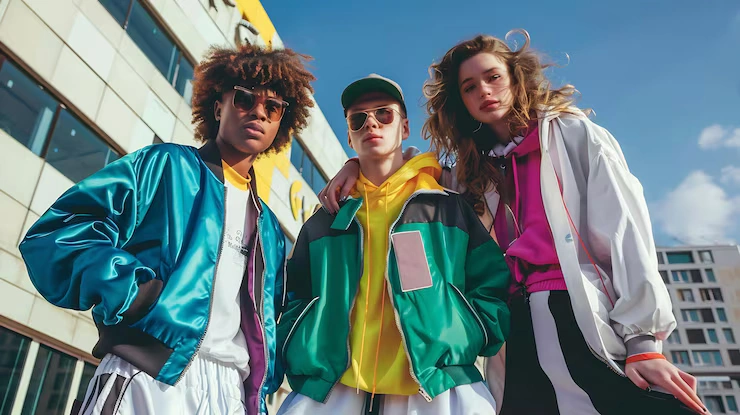
In the Asia Pacific region, cultural pride intersects with global fluency. Korean street style, influenced by music and drama exports, blends oversized tailoring with polished minimalism. Japanese youth experiment with archival silhouettes reimagined through futuristic layering. Chinese Gen Z designers reinterpret traditional motifs within contemporary streetwear frameworks. Singaporean creatives navigate multicultural references with ease, reflecting the city state’s layered identity.
Gender expression marks another transformative frontier. Many Gen Z and Gen Alpha consumers view clothing as detached from binary categorization. Oversized blazers, pleated skirts, cargo pants, and delicate blouses circulate freely across identities. Retail floors respond by reducing rigid segmentation. The emphasis shifts toward fit, function, and feeling rather than label. Luxury itself undergoes scrutiny. Logo saturation has ceded ground to subtle craftsmanship. Young consumers gravitate toward pieces that communicate discernment rather than overt status.
Quiet tailoring, artisanal accessories, and limited collaborations carry weight. Exclusivity is redefined as authenticity rather than price alone. Influence structures are also evolving. Traditional celebrity endorsement competes with peer driven micro communities. A student in Shanghai or Seoul with a distinctive aesthetic can command significant digital reach. These grassroots tastemakers often feel more relatable than global icons. Their styling choices spark conversation precisely because they appear attainable.
Economic realities shape behavior as well. Many Gen Z consumers entered adulthood during periods of global uncertainty. Financial pragmatism informs wardrobe strategy. Capsule closets, rental platforms, and shared wardrobes gain traction. Fashion becomes modular, adaptable to fluctuating lifestyles.
Education and activism intersect with style in visible ways. Campus protests and climate marches double as fashion statements, with upcycled banners transformed into wearable art. Clothing becomes medium and message simultaneously. This convergence reinforces the notion that fashion is inseparable from social context.
For Magnav Asia Pacific, the significance of this generational shift cannot be overstated. Asia Pacific houses some of the world’s largest youth populations. Their preferences shape manufacturing, marketing, and design pipelines at unprecedented speed. Brands ignoring these cohorts risk obsolescence.
Looking ahead, the dialogue between Gen Z and Gen Alpha promises further transformation. Artificial intelligence driven customization may allow garments to adapt in color or texture. Blockchain verification could authenticate sustainable sourcing. Yet technology alone will not define the era. Values will.
Ultimately, how Gen Z and Gen Alpha are redefining fashion reveals a broader cultural awakening. They approach style as participatory, ethical, and fluid. They blur boundaries between online and offline, luxury and thrift, tradition and futurism. In doing so, they dismantle outdated hierarchies and replace them with networks of collaboration.
The streets of Seoul, Tokyo, Shanghai, and Singapore already illustrate this evolution. Layered silhouettes, vintage reworks, and digitally inspired accessories coexist in vibrant dialogue. Each outfit tells a story not only of taste, but of consciousness.
Fashion in 2026 belongs to those willing to question it. Gen Z and Gen Alpha are not waiting for permission. They are editing, remixing, and redefining in real time. For the global industry and for the Asia Pacific region at large, their message is unequivocal. Style is no longer dictated. It is co created.