In 2026, skincare is no longer a quiet corner of the beauty industry. It is a global cultural force shaped significantly by the innovation pipelines of South Korea and Japan. From the luminous complexions seen on the streets of Seoul to the refined minimalism associated with Tokyo, Korean and Japanese skincare philosophies have moved from regional rituals to international benchmarks. For readers of Magnav Asia Pacific, this surge in demand signals more than consumer preference. It reflects a deeper shift toward intentional, preventative, and culturally rooted beauty practices.
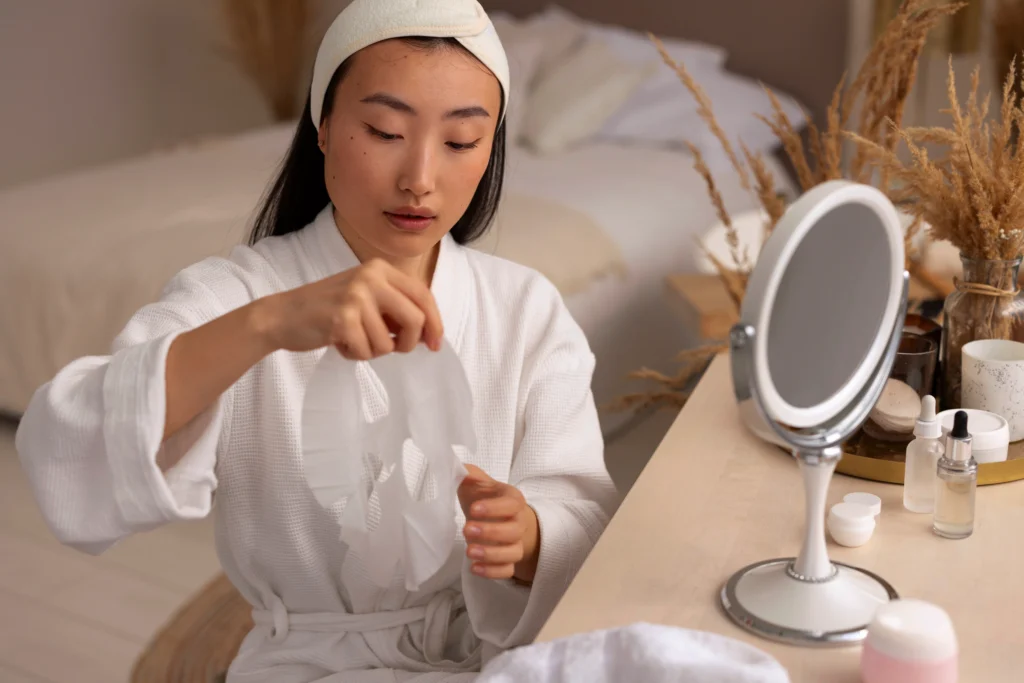
The ascent of Korean skincare, often referred to as K beauty, has been marked by bold innovation and playful experimentation. Brands such as Laneige and Innisfree introduced global audiences to multi step routines emphasizing hydration, layering, and ingredient transparency. Sheet masks, essences, ampoules, and sleeping packs became staples across continents. The philosophy centers on nurturing the skin barrier consistently rather than correcting damage reactively.
In contrast, Japanese skincare, frequently associated with J beauty, communicates restraint and refinement. Heritage brands like Shiseido and SK-II have long emphasized meticulous research and understated luxury. Their formulations prioritize texture, absorption, and subtle efficacy. Where K beauty often invites experimentation with diverse product layers, J beauty leans toward streamlined regimens focused on purification, hydration, and protection.
What unites both traditions is a preventive mindset. In South Korea and Japan, skincare is viewed as daily maintenance akin to dental hygiene rather than occasional indulgence. Sunscreen is non negotiable. Gentle cleansing is foundational. Hydration is layered thoughtfully to support resilience. This long term orientation contrasts with more aggressive, trend driven approaches that rely heavily on exfoliation or rapid transformation claims.
Ingredient innovation sets Korean and Japanese skincare apart. South Korean laboratories have pioneered the mainstream use of fermented extracts, snail mucin, and cica derived from centella asiatica. These components target barrier repair and inflammation reduction. Japanese research institutions, meanwhile, invest deeply in fermentation science and bio engineered actives. The proprietary yeast derived complex in SK-II products, for instance, exemplifies a commitment to exclusive ingredient development.
Texture also plays a defining role. Korean essences glide with featherlight viscosity, absorbing seamlessly into the skin to create what enthusiasts describe as glass skin luminosity. Japanese lotions, which function more like hydrating toners, deliver moisture without residue, preparing the complexion for subsequent steps. This tactile sophistication enhances user experience, transforming routine into ritual.
Cultural aesthetics further differentiate the two. Korean beauty culture often celebrates visible glow and youthful vibrancy. Marketing visuals emphasize dewiness and radiance. Japanese beauty ideals, by contrast, prioritize clarity, smoothness, and refined subtlety. The finish is often satin rather than high shine. These nuanced distinctions influence formulation and branding choices.
The global demand surge can also be traced to digital influence. Korean pop culture and Japanese design have achieved expansive international reach. When audiences encounter flawless complexions in music videos, dramas, and fashion editorials, curiosity follows. Social media platforms accelerate education. Tutorials demystify layering techniques. Ingredient breakdowns empower consumers to make informed decisions.
Retail infrastructure has evolved accordingly. Major department stores in cities from Singapore to Sydney now dedicate prominent floor space to Korean and Japanese skincare. E commerce platforms facilitate direct to consumer distribution, enabling niche brands to cultivate international followings without traditional advertising budgets.

The barrier between domestic and global markets continues to erode. Sustainability considerations increasingly shape purchasing decisions. Both South Korea and Japan face pressure to reduce packaging waste and enhance ingredient traceability. Brands respond with refill systems, biodegradable sheet masks, and cleaner formulations. Consumers expect environmental accountability alongside visible results.
Scientific credibility reinforces trust. Japanese skincare companies in particular maintain robust research divisions collaborating with dermatologists and chemists. Clinical testing and published data support efficacy claims. Korean brands, known for speed to market, are simultaneously investing in stronger regulatory compliance and global certifications to meet international standards.
Importantly, affordability spans the spectrum. While luxury lines command premium pricing, accessible drugstore options deliver comparable innovation at lower cost. This democratization broadens reach across income brackets. A student in Shanghai or a professional in Singapore can participate in the same skincare philosophy as a high net worth consumer in Tokyo.
Men’s skincare represents another growth vector. In South Korea and Japan, male grooming has long been normalized. Cleansers, toners, and sunscreens tailored for men integrate seamlessly into broader beauty aisles. As global perceptions shift, these markets offer templates for inclusive product development.
For Magnav Asia Pacific, the expanding global appetite for Korean and Japanese skincare underscores the region’s leadership in beauty science and cultural storytelling. It challenges outdated narratives positioning Western brands as default authorities. Instead, innovation flows multidirectionally.
Looking forward, technological integration promises further evolution. Personalized formulations based on skin scanning apps, microbiome balancing serums, and climate adaptive moisturizers are already in development. Yet the foundational principles remain unchanged. Respect the skin barrier. Prioritize hydration. Protect from environmental stressors.
The growing global demand for Korean and Japanese skincare reflects more than trend cycles. It signals a collective embrace of disciplined self care anchored in research and ritual. In a world characterized by acceleration and overstimulation, these traditions offer structured calm.
From the laboratories of Seoul to the heritage houses of Tokyo, skincare becomes a narrative of precision, patience, and progress. What sets Korean and Japanese approaches apart is not simply novelty. It is coherence. Each product fits within a broader philosophy that values longevity over immediacy.
As consumers across the Asia Pacific and beyond refine their routines, they are not merely purchasing serums and lotions. They are adopting frameworks shaped by culture, science, and intentional living. In doing so, they affirm that beauty, when grounded in knowledge and care, transcends borders and redefines global standards.