
In 2026, the global cultural map cannot be drawn without acknowledging the gravitational pull of South Korea. What began as a regional entertainment movement has evolved into a multidimensional force shaping music, fashion, beauty, film, and lifestyle across continents. The rise of K pop stands at the center of this transformation, acting as both catalyst and conduit for Korea’s broader cultural industry. For readers of Magnav Asia Pacific, this ascent represents one of the most significant shifts in contemporary soft power within the Asia Pacific region.
The international breakthrough of groups such as BTS and BLACKPINK redefined the parameters of global pop success. Singing primarily in Korean while topping charts in the United States and Europe, these artists dismantled long standing language barriers in mainstream music. Their achievements were not isolated victories but signals of a sophisticated cultural export strategy rooted in training systems, visual storytelling, and digital fluency.
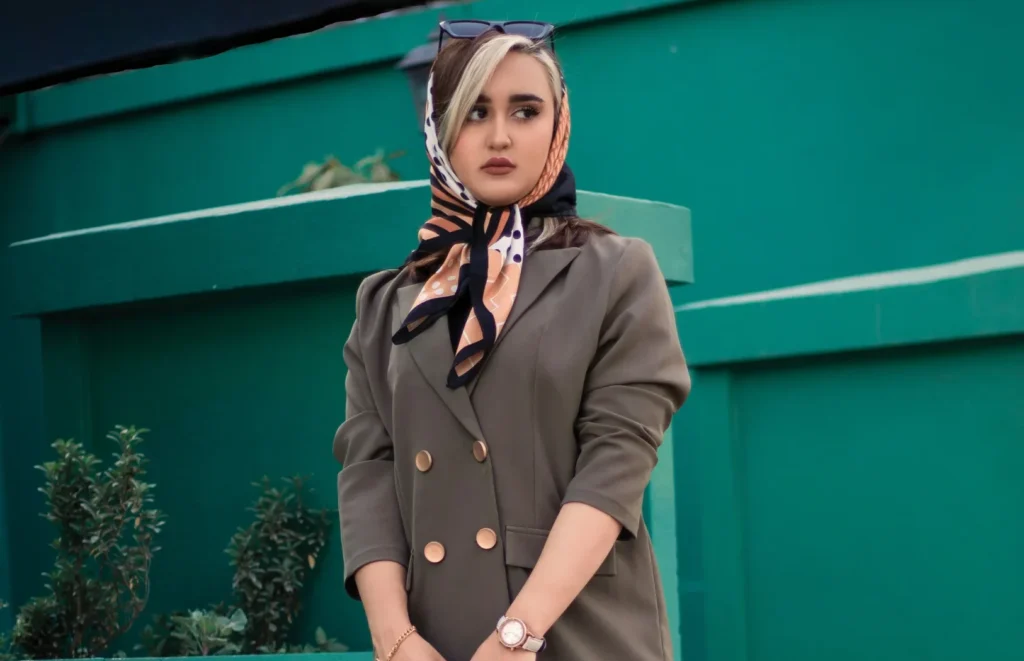
K pop’s influence extends far beyond music streams and sold out stadiums. Fashion has become one of its most visible extensions. Idols function simultaneously as performers and global style ambassadors. When a member of BTS appears in a tailored look from Louis Vuitton or a member of BLACKPINK collaborates with Chanel, the impact reverberates instantly across social media platforms. These partnerships signal recognition from legacy European houses while reinforcing Korea’s authority as a tastemaker.
Equally important is the rise of Korean designers who leverage this visibility to gain international traction. Brands emerging from Seoul blend streetwear sensibilities with sharp tailoring and experimental silhouettes. The aesthetic often balances minimalism with unexpected detail, reflecting the dynamism of the city itself. Seoul Fashion Week has evolved into a key platform showcasing this creative confidence, attracting buyers and editors from across Asia and beyond.
Digital infrastructure plays a decisive role in amplifying Korea’s cultural reach. Entertainment companies cultivate global fan communities through constant engagement. Behind the scenes footage, livestream interactions, and meticulously produced music videos create immersive ecosystems rather than one directional broadcasts.
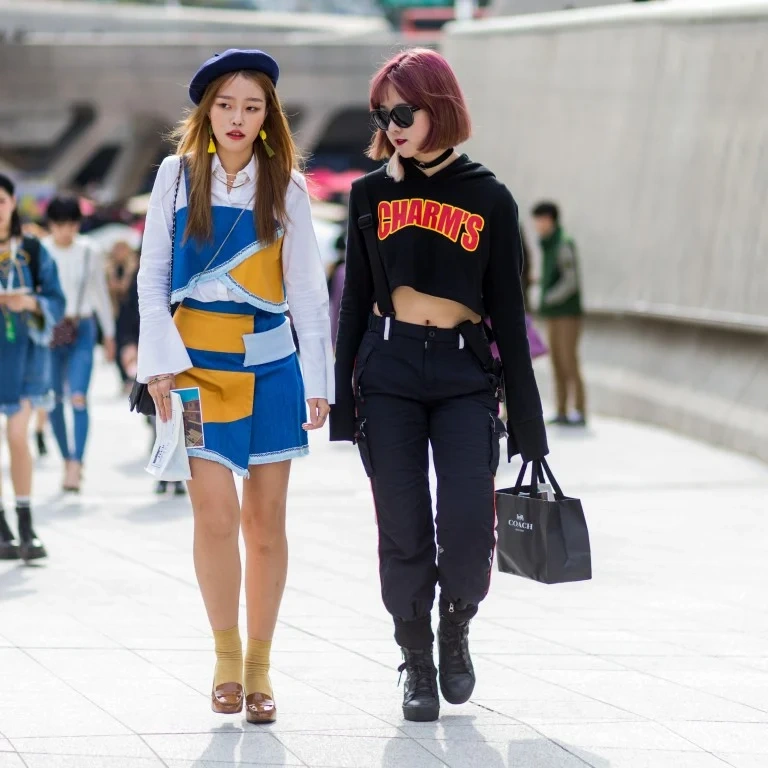
Platforms such as TikTok and YouTube accelerate this circulation, enabling choreography challenges and fashion moments to travel at algorithmic speed. Beauty culture forms another pillar of Korea’s global influence. The flawless complexions associated with K pop idols have propelled Korean skincare and cosmetics into international prominence. Dewy skin, gradient lips, and softly defined brows have become aspirational standards from Singapore to San Francisco. This aesthetic coherence reinforces the synergy between entertainment and consumer industries.
The broader cultural wave often described as Hallyu encompasses television and film as well. Productions such as Squid Game and the Oscar winning film Parasite demonstrate Korea’s storytelling prowess across genres. These successes amplify interest in Korean language, cuisine, travel, and design. Cultural consumption becomes holistic rather than compartmentalized.
Government support and strategic investment have underpinned this expansion. Cultural exports are recognized as economic drivers and instruments of diplomacy. Training academies refine performance skills while production houses invest heavily in visual innovation. The result is a pipeline that sustains both artistic quality and commercial viability.
Importantly, K pop’s global resonance reflects generational shifts. Younger audiences prioritize authenticity, inclusivity, and emotional transparency. Korean idols often address themes of mental health, self acceptance, and social pressure within their music. This thematic openness fosters deep fan loyalty that transcends geography.
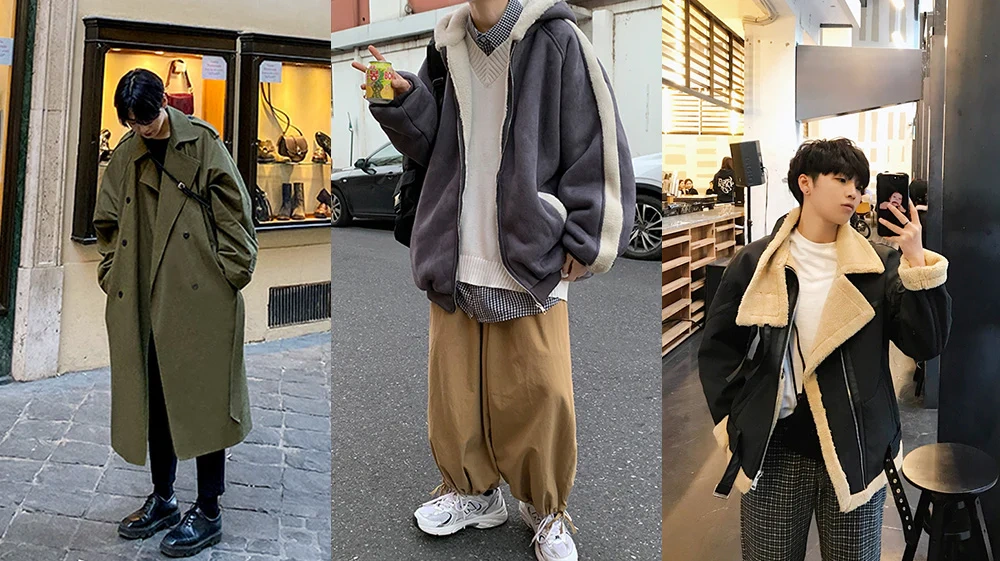
Fashion brands worldwide now monitor Seoul street style as closely as Paris runways. Oversized blazers, layered basics, statement accessories, and experimental hair colors migrate rapidly into global wardrobes.
The interplay between stage costumes and everyday style blurs distinctions between performance and personal expression. The economic implications are substantial. Concert tourism drives travel to Seoul. Merchandise sales contribute significantly to retail revenue. Collaborative collections between idols and global brands generate limited edition demand spikes. Korea’s cultural industry functions as an interconnected ecosystem where music fuels fashion, fashion fuels beauty, and beauty reinforces media visibility.
Yet amid global acclaim, the industry continues to evolve. Discussions surrounding artist welfare, sustainability, and creative autonomy shape its next chapter. Audiences increasingly scrutinize production ethics alongside artistic output. This accountability signals maturation rather than decline.
For Magnav Asia Pacific, the rise of K pop underscores a broader narrative of regional leadership. Asia Pacific is not merely participating in global culture but actively redefining it. Korea’s model illustrates how strategic integration of entertainment, technology, and design can amplify national identity on a worldwide stage.
Looking ahead, collaborations between Korean creatives and international counterparts are likely to deepen. Cross border songwriting, co designed fashion capsules, and multinational film projects reflect a future defined by exchange rather than isolation. The Korean language may appear in more mainstream Western productions, just as global designers draw inspiration from Seoul’s urban energy.
At its core, the rise of K pop represents more than chart dominance. It embodies a recalibration of cultural hierarchy. Influence no longer flows exclusively from West to East. It circulates dynamically, with Seoul emerging as a central node.
In 2026, the world listens when Korea sings. It watches when Korea stages. It shops when Korea styles. The global influence of Korea’s fashion and cultural industry is not a passing trend but a structural transformation. Through rhythm, design, and digital connection, South Korea has reshaped the contours of contemporary culture, proving that creativity, when strategically nurtured, can transcend borders and redefine global aspiration.