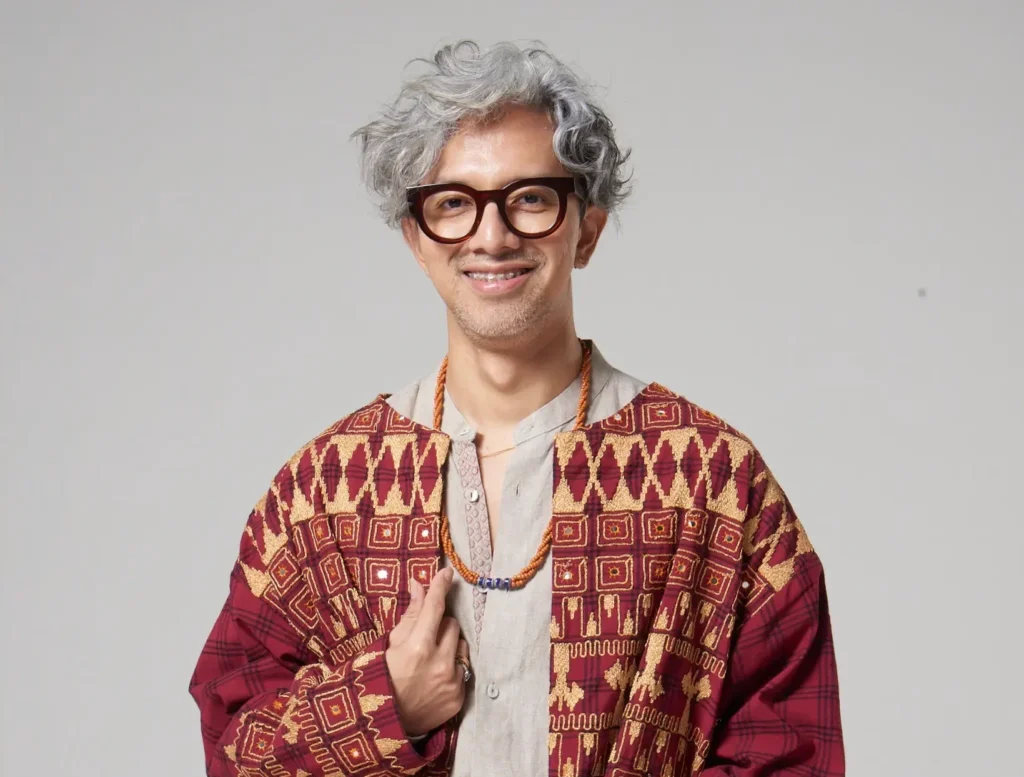
Indonesian designer Didiet Maulana has built his career on something far more enduring. For him, fashion is not merely about aesthetics or seasonal reinvention. It is about culture, memory, and identity expressed through fabric, craftsmanship, and storytelling. Through his work, he has consistently demonstrated that tradition does not belong to the past. Instead, it can evolve, adapt, and speak powerfully to contemporary audiences around the world.
Maulana approaches culture as something alive rather than static. He often describes it as a living language that must continue to be spoken in the present moment. In his view, cultural heritage remains meaningful only when it is translated into forms that resonate with modern lifestyles. In fashion, this means reimagining traditional values through contemporary silhouettes, functions, and design perspectives. When heritage becomes something wearable and relevant to everyday life, it naturally connects with both global audiences and younger generations who are constantly seeking authenticity.
Fashion, he believes, holds a unique place in cultural diplomacy. Unlike traditional forms of communication, it does not rely on direct persuasion. Instead, it connects through emotion and experience. Indonesian textiles carry stories that reflect generations of craftsmanship and the skilled hands that create them. Each piece embodies a narrative rooted in place, history, and artistry.
“Fashion is not just about creating beautiful clothing. It is about carrying culture, memory, and identity forward. When heritage becomes something people can wear and live with every day, it continues to speak to the future.”
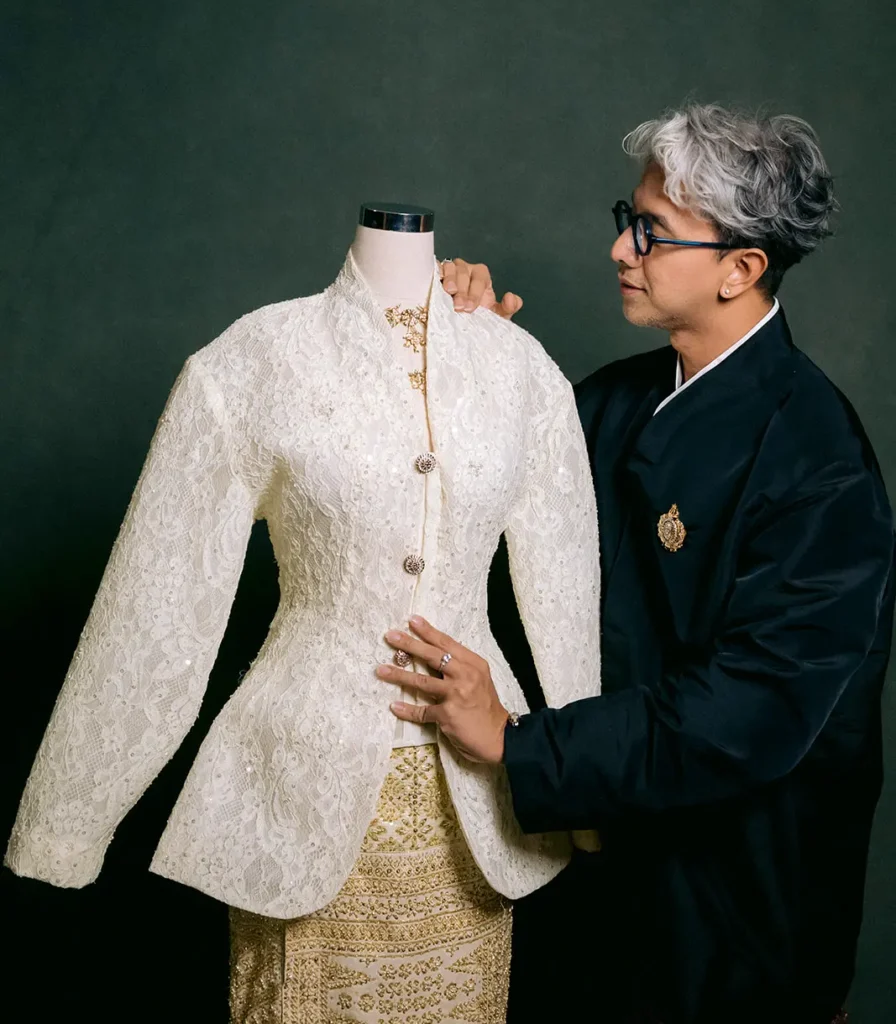
Maulana experienced the power of this connection firsthand during the Asia Pacific Economic Cooperation meetings in 2013, when he designed attire for delegates from the Indonesian Ministry of Finance. As he shared the stories behind the fabrics they wore, curiosity quickly followed. Delegates became interested not only in the garments themselves but also in the regions and communities where the textiles originated. For Maulana, this moment reaffirmed that Indonesian fashion is not simply about producing beautiful clothing. It is about presenting meaning and narrative to the world. When people wear garments rooted in Indonesian craftsmanship, they begin to internalise the culture before fully understanding it intellectually.
That emotional connection, he believes, builds respect and curiosity in ways that often surpass formal representation on the international stage. Central to his philosophy is a thoughtful approach to sustainability. For Maulana, sustainability is not a label attached to a product or a marketing message.
It is a series of conscious decisions made every day. It involves respecting the rhythm of human craftsmanship rather than forcing production into the relentless pace of industrial systems. True luxury, in his view, lies in responsibility toward artisans, culture, and time itself.
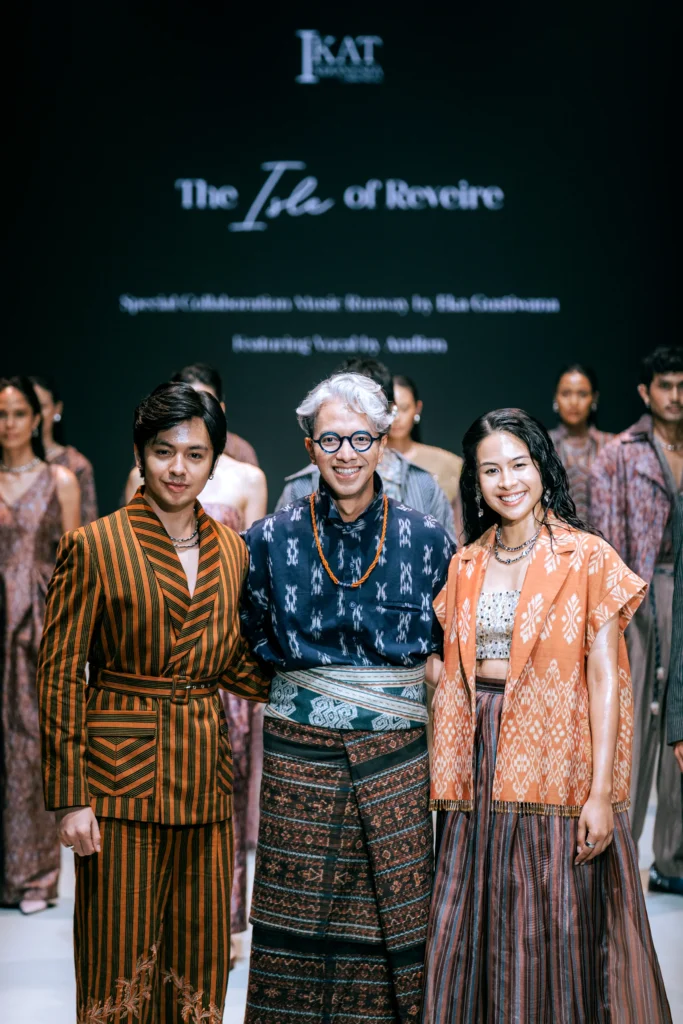
In a world increasingly driven by immediacy, Maulana aims to create a market that values not only the finished product but also the process behind it. Each textile represents the lives, skills, and dedication of the people who create it. Growth, he believes, should never come at the expense of dignity or craftsmanship. The slight imperfections found in handmade work are not flaws but reminders of the human touch that gives these pieces their true value.
Through his fashion shows and collections, Maulana hopes audiences experience a sense of connection to cultural heritage without feeling restricted by it. Wearing a garment shaped by centuries of craftsmanship should feel empowering rather than formal or distant. He wants younger generations to feel proud of their roots while exploring their own interpretations of style. Cultural garments do not need to be worn as statements or explanations. Instead, they can quietly express pride and belonging.
He also recognizes the importance of allowing younger audiences the freedom to reinterpret tradition. Gen Z, with their curiosity and openness to experimentation, often brings new perspectives to styling and self expression. By welcoming these fresh interpretations, culture remains dynamic and relevant rather than preserved only as a historical artifact.
Digital platforms have played an important role in expanding this vision. In today’s fast moving online environment, Maulana believes brands must communicate with honesty and transparency. Social media has shifted the focus from simply presenting finished products to revealing the entire process behind them. Through digital storytelling, he shares not only the final garments but also the people, craftsmanship, and imperfections that bring them to life. In doing so, he hopes to slow down the pace of consumption and remind audiences that true luxury lies in meaning rather than spectacle.
As Indonesian fashion gains greater visibility internationally, collaboration has become an important part of Maulana’s strategy. Yet he approaches partnerships carefully. In a world where scalability is often considered the ultimate goal, he believes cultural fashion must grow differently. Scaling culture is not about replication but about alignment. Successful collaborations require shared values and a clear understanding of the cultural narratives being represented.
This philosophy has guided partnerships with international brands including Starbucks Indonesia, Disney, TUMI, and SMEG. In each case, maintaining cultural integrity remains the priority. Clear boundaries help ensure that heritage is respected and authentically represented. For Maulana, sometimes the most responsible decision in a collaboration is the willingness to decline opportunities that do not align with those values.
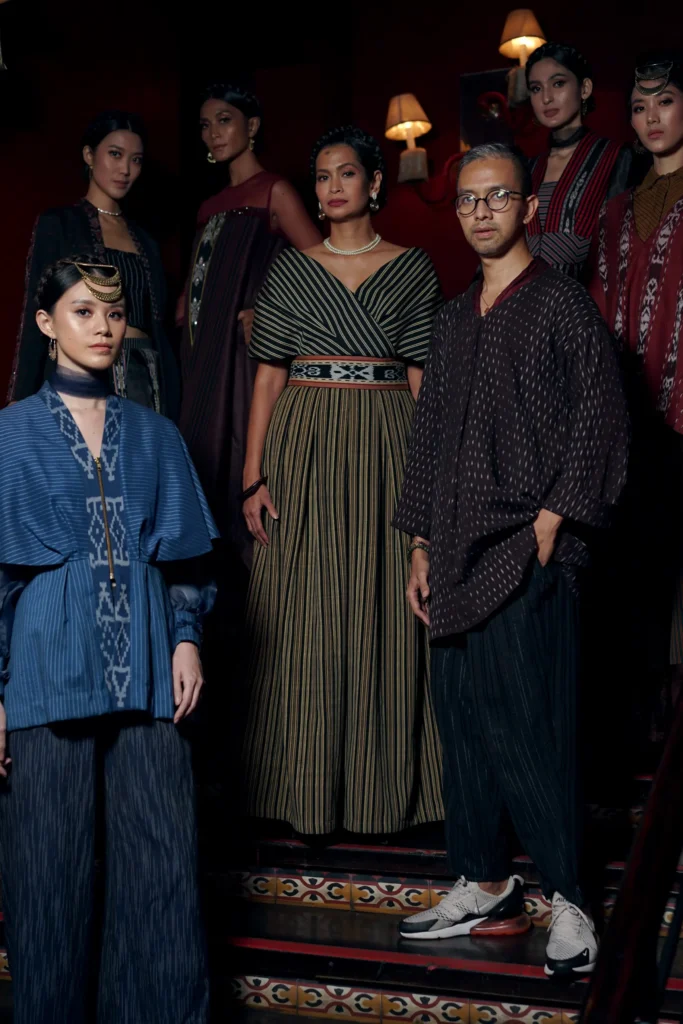
His work extends beyond a single fashion label into an ecosystem of interconnected brands. IKAT Indonesia serves as the umbrella and ready to wear line, celebrating the richness of Indonesian textiles in contemporary forms. Svarna by IKAT Indonesia represents the premium segment, offering made to order and wedding collections that highlight intricate craftsmanship. Sarupa by IKAT Indonesia focuses on uniforms and has been trusted by prominent clients such as The Ritz Carlton Pacific Place Jakarta, Shangri La Hotel Jakarta, Raffles Hotel Jakarta, Bank Mandiri, BCA, OCBC, BTN, Bank of Tokyo, Garuda Indonesia, and Whoosh, the first high speed train in Indonesia, as well as aviation security teams across Indonesian airports. The brand has also created merchandise for the Indonesian launch of the iPhone 17 with Digimap.
His newest brand, Griya by IKAT Indonesia, brings this cultural language into the home through décor pieces such as cushions, tableware, candles, and everyday objects designed to integrate heritage into daily living. Expanding his creative expression further, Maulana recently introduced his first diamond and jewellery collection through a collaboration with an Indonesian jewellery brand, continuing his exploration of how culture can be translated into different forms of design.
Despite these achievements, Maulana’s long term vision extends beyond fashion collections or commercial success. His deeper goal is to create systems that allow culture to continue evolving long after his own career. He hopes to leave behind educational platforms and support structures that empower artisans, entrepreneurs, and the next generation of cultural custodians.
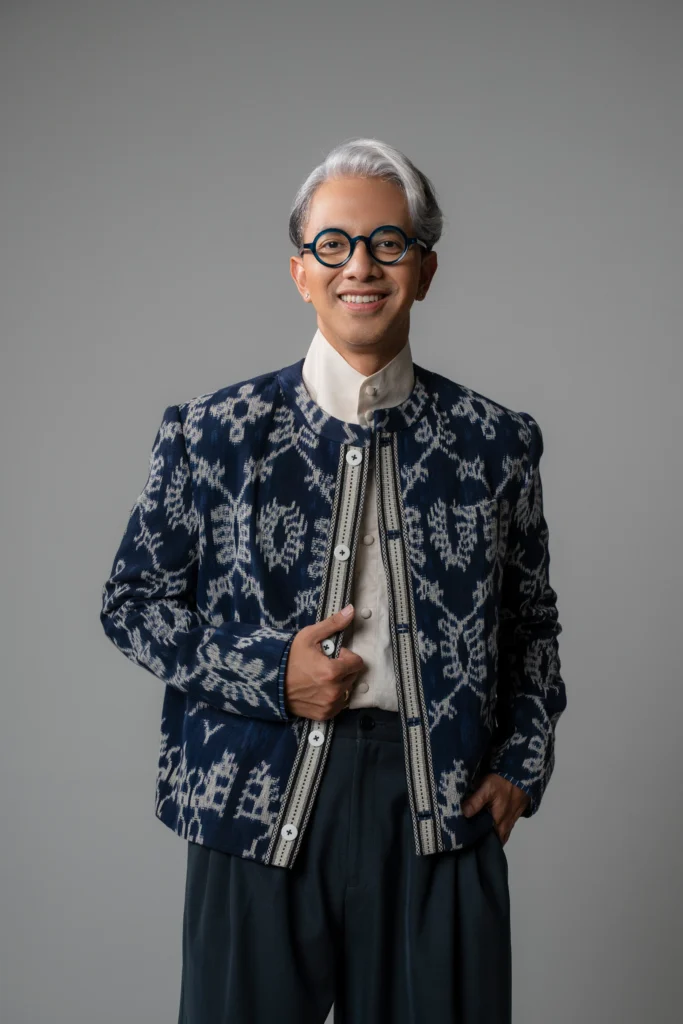
This vision led him to establish JGBB, short for Jadi Gini Belajar Bersama, which translates to Let’s Study Together. The platform provides both online and offline learning opportunities for entrepreneurs, artisans, and small and medium enterprises, focusing on marketing and branding. Since its launch in June 2020, the initiative has engaged more than thirty five thousand participants, creating a community that shares knowledge and supports cultural entrepreneurship.
For Didiet Maulana, fashion is ultimately about identity. Trends may capture attention for a moment, but identity provides lasting meaning. In a world increasingly defined by speed and short attention spans, cultural heritage offers grounding and depth. Through his work, he continues to demonstrate that clothing can carry stories, preserve craftsmanship, and connect people to something far greater than the moment they are living in.
By weaving heritage into modern life with care and intention, Maulana is not only shaping the future of Indonesian fashion. He is ensuring that the voices of culture continue to be heard, worn, and celebrated by generations to come.