The traditional hierarchy of luxury has undergone a radical transformation across Asia, where the lines between celebrity endorsement and corporate ownership have dissolved into a new paradigm of power. Historically, the relationship between a high-fashion maison and a public figure was defined by the ambassadorship, a structured agreement where the star lent their image to the heritage of the house. However, in the current landscape of 2026, the most significant shifts in market share are being driven by a generation of celebrity entrepreneurs who have transitioned from being the faces of luxury to becoming its principal architects. This evolution is particularly visible in the rise of artist-led labels that prioritize personal philosophy and cultural resonance over the rigid seasonal cycles of Western fashion.
The success of these ventures is rooted in a deep understanding of the digital-native consumer who seeks authenticity beyond the glossy veneer of a traditional campaign. When a global icon launches a brand, they are not merely selling a product but inviting their audience into a curated lifestyle that has been tested and validated through years of social interaction. This direct-to-consumer intimacy allows for a level of agility that established luxury conglomerates often struggle to replicate. By maintaining creative control, these entrepreneurs can respond to regional trends with surgical precision, blending streetwear sensibilities with the uncompromising quality standards of high-end couture.
One of the most compelling aspects of this movement is the elevation of regional heritage within a global context. These founders are successfully reinterpreting traditional motifs, such as the intricate silhouettes of the Tang suit or local wellness practices, through a lens of modern minimalism. This synthesis has created a new category of luxury that feels both globally relevant and intensely local, appealing to a sense of cultural pride that has become a dominant force in consumer behavior. The result is an ecosystem where a limited-edition collaboration with a heritage herbal tea brand or a bespoke jewelry piece carries as much social currency as a heritage handbag from a Parisian house.
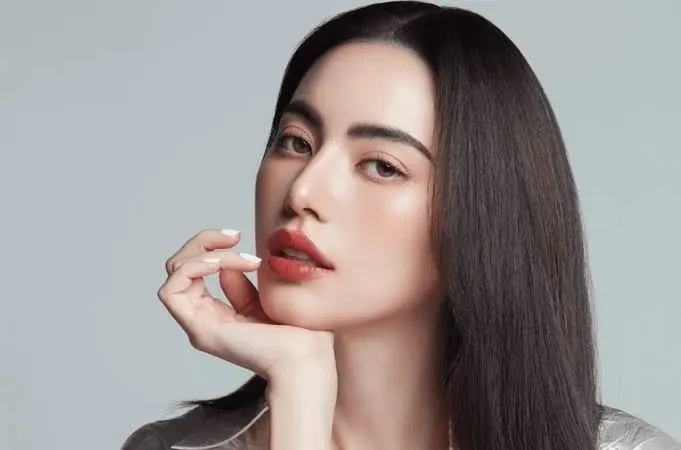
The economic infrastructure supporting this shift is equally innovative, with many of these celebrity-led brands operating as multimedia entities that span fashion, art, and immersive technology. The launch of a new collection is often accompanied by large-scale media exhibitions and digital art installations that transform the act of shopping into a cultural event. These experiences drive massive engagement across platforms like Xiaohongshu and Instagram, generating a level of earned media value that dwarfs traditional advertising budgets. The consumer is no longer just a buyer but a participant in a larger narrative of self-transcendence and creative expression.
Furthermore, the integration of advanced logistics and agentic commerce has allowed these niche labels to scale with unprecedented speed. AI-driven distribution networks ensure that exclusive drops are managed with a level of efficiency that maintains the aura of scarcity while meeting the high expectations of a demanding clientele. This technological backbone allows the celebrity entrepreneur to focus on the storytelling and aesthetic direction that define their brand identity. The focus has shifted from mass-market appeal to deep emotional resonance, with jewelry and eyewear emerging as key categories for individualistic statement-making.
As we move further into 2026, the influence of these multifaceted creators is redefining the global luxury playbook. The dominance of the Asian market is no longer just about consumption volume but about the export of new business models and aesthetic standards. The most successful ventures are those that recognize that luxury in the modern age is a dialogue, not a monologue. By leveraging their personal cultural capital to build enduring institutions, these entrepreneurs are ensuring that the future of high fashion is increasingly written in the East. They have moved past the era of the trend to establish a legacy of sovereign brands that command respect on every major fashion capital’s stage.