The velvet rope has been cut, and the stage is no longer a distant altar. Across the Asia Pacific in 2026, the traditional broadcast model, where content was a product delivered to a passive viewer, has been dismantled by a more visceral and participatory force. We have entered the era of the passion economy, a landscape where entertainment is not merely watched but inhabited. This is the world of K-pop 3.0, regional pop insurgencies, and the absolute sovereignty of the fan. Here, identity is forged through the ritual of the fandom, and consumption is an act of communal devotion rather than a solitary transaction.
At the heart of this transformation is the evolution of the fan powered content ecosystem. The distance between the idol and the enthusiast has collapsed into a seamless, digital first intimacy. In this new reality, fans are no longer just consumers; they are the architects of the narrative. They curate digital galleries, fund global billboard campaigns for their favourite artists, and create vast streams of user generated content that often outpace the reach of traditional marketing. The power has shifted from the boardroom to the community, where the collective energy of a streaming group or a gaming guild can propel an artist from a local bedroom to a regional phenomenon in a matter of hours.

This decentralisation is most evident in the rise of K-pop 3.0 and its regional contemporaries. While South Korea remains a powerful cultural lodestar, its influence has mutated into something far more inclusive. The aesthetic of the idol has been localised, giving birth to a shared entertainment space where Thai pop, Indonesian indie scenes, and Indian regional cinema compete on equal footing. We see the growth of K-pop adjacent industries, where the training systems and high production values of Seoul are being fused with the unique cultural textures of Mumbai or Bangkok. This is a cross border ecosystem where a Japanese gamer, a Filipino streamer, and an Indian fan of regional cinema are united by a common language of passion, navigating a world that values cultural specificity over global uniformity.
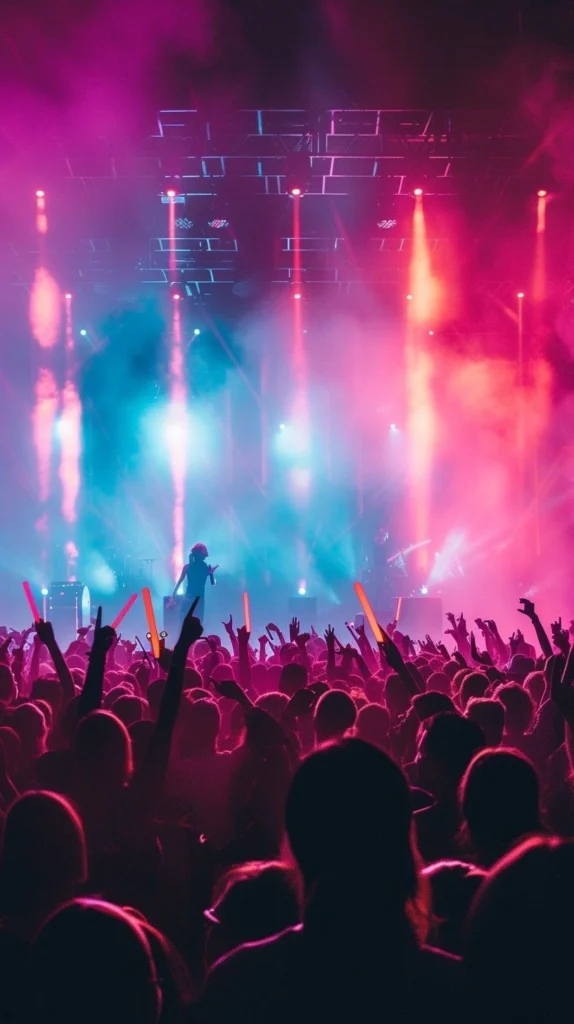
The financial engine of this movement is passion spending. For the younger generations of the Asia Pacific, capital is no longer allocated to the accumulation of things, but to the sustenance of identity. There is a profound willingness to invest in the intangible. We see a surge in spending on high specification digital experiences, limited edition fandom collectibles, and the high octane pilgrimage of the live concert. This is not casual consumption; it is an investment in a sense of belonging. The merch is a badge of honour, the ticket is a rite of passage, and the digital gift in a streaming room is a declaration of presence. This shift reflects a broader regional pattern where spending is an emotional vote of confidence, a way for the consumer to say, I am part of this.

Entertainment in 2026 has become a relentless blend of the interactive and the immersive. The wall between the screen and the street has evaporated. A live event is no longer just a performance; it is a commerce enabled social hub where fans can purchase exclusive digital assets in real time or interact with AR versions of their idols. The platforms themselves have become the new public squares, blending social media, live streaming, and commerce into a singular, fluid experience. This is a world where the entertainment is the platform, and the platform is the community. The traditional media cycle has been replaced by a continuous loop of engagement, where the conversation never stops and the content is always evolving based on the pulse of the crowd.
Ultimately, we are witnessing the triumph of the active participant over the passive spectator. The entertainment landscape of the Asia Pacific is now defined by those who show up, those who contribute, and those who build. It is a world where the passion of the fan is the ultimate currency, and where the most successful cultural exports are those that offer a home rather than just a show. As the regional pop movements continue to thrive and the fan economies deepen, the message is clear: the future belongs to the communities that care the most. In the grand mosaic of identity based entertainment, the audience has finally taken centre stage, and they have no intention of leaving.