
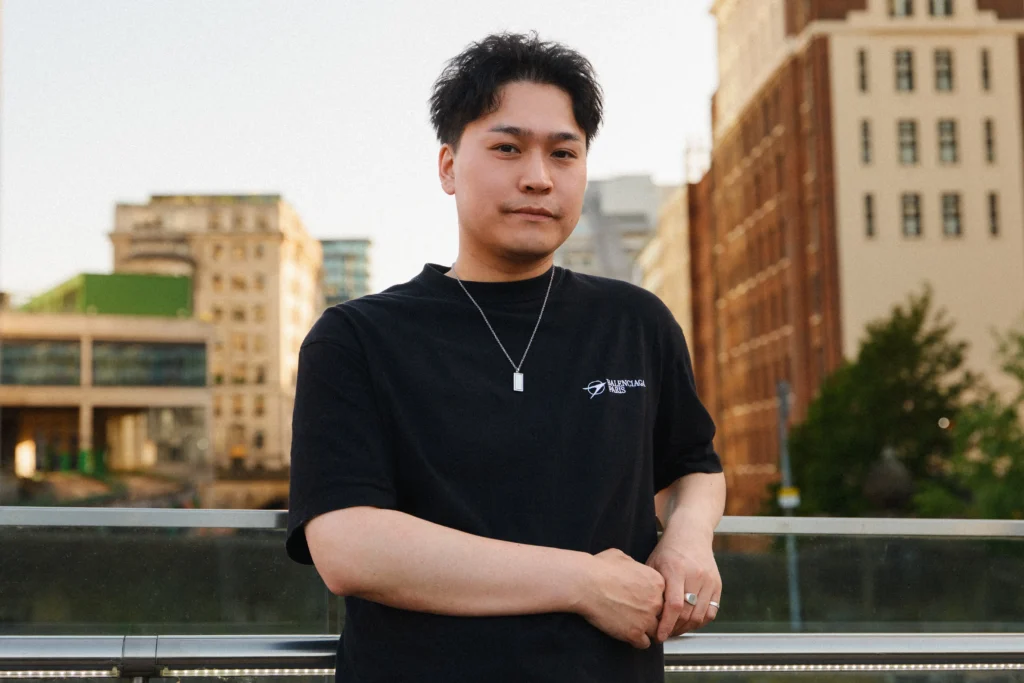
Atmosphere has a way of lingering long after a story ends, and few creators understand that better than Yu Yen Wong. Known for his cinematic visuals, immersive edits and emotionally resonant storytelling, the British creative has built a distinctive voice in the digital space by focusing not on what audiences should think, but on what they might feel. In an era dominated by fast trends and fleeting attention spans, his work stands apart through its restraint, depth and ability to transform ordinary moments into something quietly unforgettable.
Rather than describing himself as a filmmaker or content creator, Yu Yen Wong prefers the term visual storyteller. The distinction is important because, for him, storytelling is not about delivering a fixed message or guiding audiences towards a particular conclusion. Instead, it is about creating an emotional experience that viewers can interpret through the lens of their own lives. A single visual, he believes, can communicate in seconds what might otherwise require paragraphs of explanation. More importantly, the same piece of work can evoke entirely different reactions depending on who is watching it. That unpredictability is what continues to fascinate him. A forgotten memory may resurface for one viewer, while another may discover a completely new perspective on something familiar.
The cinematic quality that defines much of his work stems from the way he naturally observes the world. While many people focus primarily on narrative when watching films, Yu Yen Wong finds himself equally captivated by the subtleties that exist around the story. He notices the way light falls across a room, the composition of a frame, the texture within a scene and the mood created by seemingly insignificant details. Over time, this fascination with atmosphere gradually became embedded within his own creative language. He is drawn towards immersive visuals because they feel more authentic, inviting audiences to step inside a moment rather than simply observe it from a distance.
Although his work is often praised for its technical precision, emotion remains at the heart of his creative process. Structure plays an important role, helping him organise and shape his ideas, but feeling always comes first. Inspiration often arrives unexpectedly, with one idea rapidly leading to another in a chain reaction that demands immediate attention before it disappears. At other times, concepts remain frustratingly abstract until he physically begins experimenting with a camera. Those moments have taught him an important lesson: creativity cannot always be solved through thought alone. Sometimes progress only comes through action.
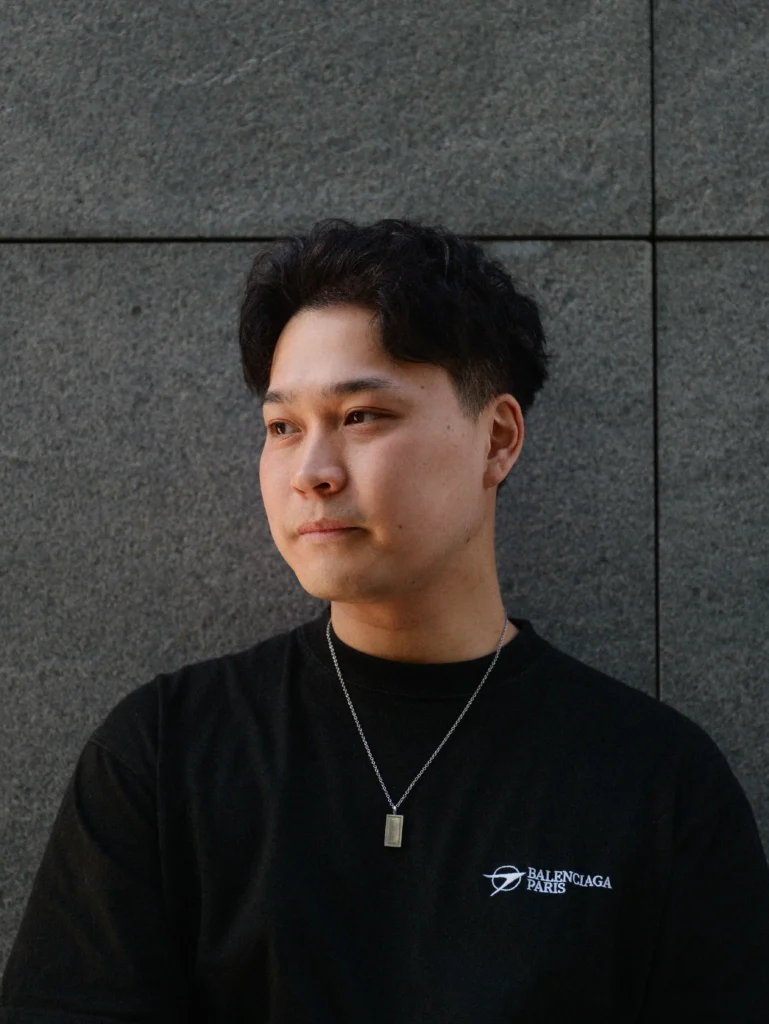
As a British creative with Hong Kong heritage, Yu Yen Wong occupies a unique cultural space that has significantly influenced his perspective. Existing between different worlds has encouraged him to become an observer, constantly analysing people, places and experiences from multiple viewpoints. He believes this position naturally strengthens visual storytelling, which relies fundamentally on observation. Travel and unfamiliar environments also play a crucial role in sparking creativity. New places present fresh colours, rhythms and perspectives that challenge the eye and inspire new ideas. Yet he also finds value in the opposite experience. Capturing something extraordinary within a familiar setting often requires greater patience and awareness, making the discovery feel even more meaningful.
Among all aspects of the creative process, editing remains his greatest passion. It is within the editing timeline that individual pieces begin to form a coherent story and where abstract ideas finally take shape. Yet beyond the satisfaction of completing a project, he finds equal excitement in the process of learning. Every edit presents opportunities to discover new techniques, solve unfamiliar challenges and expand his creative toolkit. These moments of growth continuously push him forward, allowing him to approach future projects with greater confidence and curiosity.
One of the most distinctive qualities of Yu Yen Wong’s work is its subtlety. Rather than explaining every detail or forcing audiences towards a specific interpretation, he deliberately leaves space for viewers to engage with the work on their own terms. He believes that over-explaining diminishes the emotional experience, removing the opportunity for personal discovery. Instead, he seeks to create conditions in which meaning can emerge naturally. When a viewer experiences a sudden realisation or emotional response without being explicitly guided towards it, he considers that a far more powerful outcome.
Creating meaningful work within today’s fast-scrolling digital culture presents its own challenges. Yet rather than attempting to manipulate audience behaviour, he focuses on crafting experiences that feel authentic. Strong visuals may capture attention initially, but pacing is what encourages viewers to remain engaged. He considers rhythm one of the most overlooked aspects of storytelling, capable of holding attention almost subconsciously. Sound is equally important, transforming passive viewing into emotional immersion. Above all, however, he believes audiences recognise sincerity. Authentic content possesses a quality that is difficult to replicate and even harder to ignore.
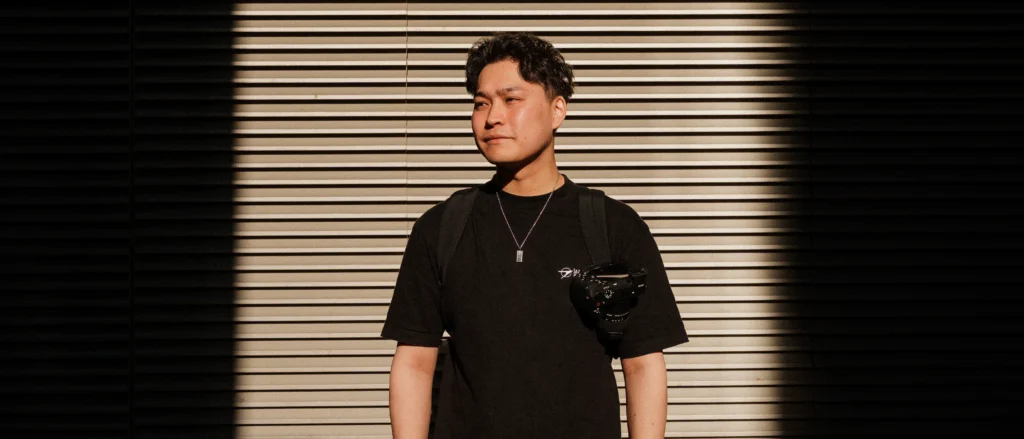
His sources of inspiration are remarkably varied. While cinema remains an important influence, much of his creative energy comes from observing other creators online. He is fascinated by the way individuals develop unique visual languages and reinterpret familiar ideas through their own perspectives. Rather than obsessing over any single filmmaker or artist, he gathers inspiration from countless sources. A colour grade from one project, a transition from another, or a subtle compositional choice may all find their way into his creative subconscious before eventually emerging as something entirely his own.
Balancing artistic integrity with the realities of algorithms and audience engagement remains a challenge for many creators, but Yu Yen Wong has developed a refreshingly grounded approach. Rather than chasing trends or attempting to predict platform performance, he focuses on providing value. Experience has taught him that success online is often unpredictable; projects he considers some of his strongest work may receive limited attention, while more spontaneous creations unexpectedly flourish. Instead of becoming consumed by metrics, he asks a simpler question: does the work offer something meaningful to the audience? This philosophy also extends to his educational content, including timeline reviews shared on Instagram that help aspiring editors learn techniques he wishes had been available when he first started.
Looking towards the future, Yu Yen Wong remains remarkably open-minded about where his creative journey may lead. What began as a spontaneous decision to pick up a camera has evolved into a genuine passion that has outlasted countless other interests. Unlike many creators who carefully map every step of their careers, he prefers to remain guided by curiosity. Whether that path leads towards larger narrative projects, creative direction, filmmaking or opportunities he has yet to imagine, he is content to follow wherever genuine inspiration takes him.
Throughout his rise as a visual storyteller, one constant source of motivation has been the growing community that continues to support his work. Reflecting on recent months, he expresses deep gratitude towards those who have connected with his content and returned to experience more. For him, audience engagement is not simply about numbers but about shared emotional experiences. As he continues to evolve creatively, he remains committed to delivering work that offers more than visual appeal alone. His ambition is to create content with greater depth, greater value and greater emotional resonance—stories that do not simply capture attention but leave a lasting impression.
In a digital world often dominated by noise, Yu Yen Wong’s work serves as a reminder that sometimes the most powerful stories are the ones that speak quietly. Through atmosphere, emotion and thoughtful observation, he continues to prove that the strongest visual storytelling is not about telling people what to think. It is about giving them something to feel.