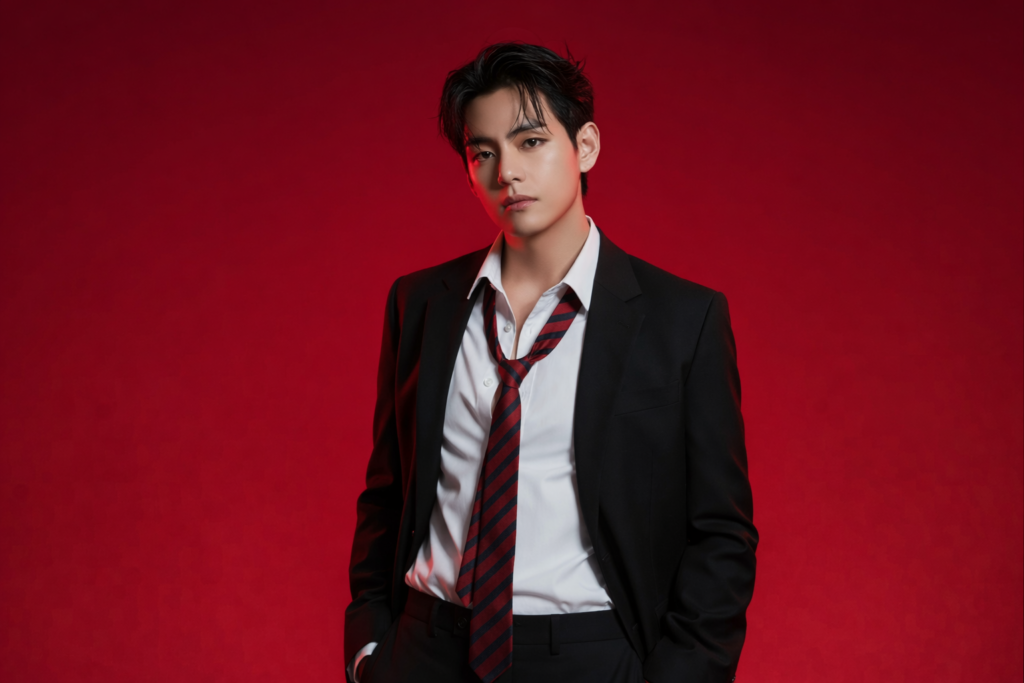
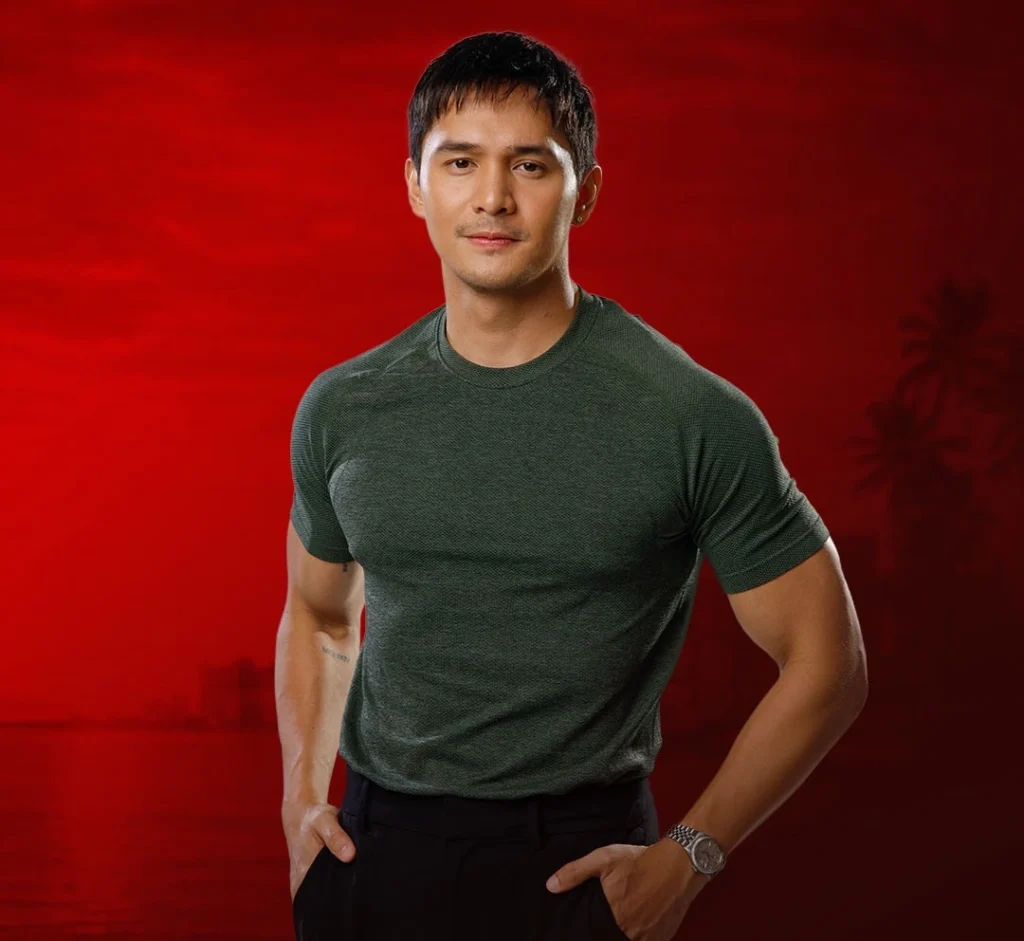
Fame may introduce an actor to the world, but it is the choices made after recognition that reveal who he truly is. For Ruru Madrid, that distinction has become increasingly important. After more than a decade in the Philippine entertainment industry, the actor is entering a chapter defined less by simply being seen and more by what he wants his work to say. The familiar face remains, the name carries its own weight and audiences already have an idea of what to expect, yet beneath that recognition lies a more compelling question: what comes next?
Madrid first entered show business as a teenager, rising through GMA Network’s talent search Protégé and gradually building a career across television, film, music, hosting and other forms of entertainment. His breakthrough came through roles that established him as a leading young actor, most notably Ybarro and Ybrahim in Encantadia, followed by projects including Lolong, Black Rider and The Write One. Over time, however, the ambition behind his career has grown beyond popularity. He has increasingly sought roles that challenge him, demand something different from him and allow audiences to encounter a side of the actor they may not have seen before.
That evolution became particularly visible through Green Bones. The 2024 film, which earned Madrid the Best Supporting Actor award at the 2024 Metro Manila Film Festival, became an important turning point in his relationship with cinema. Rather than simply adding another credit to an already substantial résumé, the film opened a new creative door. Madrid has since spoken about how the response to Green Bones led to further film opportunities, including projects that pushed him into increasingly demanding territory. For an actor who has spent much of his career within the machinery of mainstream television, that transition matters. Television can create extraordinary familiarity between an actor and an audience, but cinema often asks for something more internal. There is less room to hide behind momentum. A performance must exist within a finite world, and the smallest choices can determine how a character is ultimately remembered. Madrid appears increasingly interested in precisely that challenge.
In 2026, his work has expanded considerably. He has been balancing several projects, including the film Los Salvajes Bravos, the Cinemalaya entry Hand of God and the upcoming Hari ng Tondo, while continuing his television commitments. In Hand of God, directed by Mark Duane Angos, he plays an idealistic soldier whose story is connected to peace and football, with the film shot partly in Basilan. For Madrid, the location itself was significant. Rather than approaching Basilan through the fear often associated with the province, he embraced the opportunity to experience its people, food, landscape and culture. His own roots in neighbouring Zamboanga City gave the project another personal dimension. There is something revealing about that choice. An actor’s career can easily become a sequence of safe decisions, particularly once a certain image has become commercially successful. Madrid, however, appears increasingly drawn towards stories that carry social and emotional weight. Hand of God is not simply another action role. It is a story about peace, and Madrid has described films of this nature as particularly important because they allow audiences to encounter realities and emotions that might otherwise remain distant.
That sense of responsibility has become increasingly visible in the way he speaks about his career. For Madrid, acting is not simply about becoming someone else. It is also about understanding people. Every character requires an actor to enter a world that may be unfamiliar, understand motivations that may not resemble their own and discover humanity even in circumstances that are difficult to comprehend. Perhaps this is why his development as an actor feels more interesting now than it did when he first became famous. The early ambition was naturally about proving that he belonged. The ambition today appears to be about discovering how much further he can go.
There is also a humility beneath that ambition. In July, reflecting on a particularly busy first half of 2026, Madrid wrote about the importance of remaining approachable and kind even while moving through increasingly significant professional opportunities. He described wanting his eventual legacy to be connected not only to the characters he played, the awards he received or the projects attached to his name, but also to the way he treated the people who travelled alongside him. It is a deceptively simple idea, but one that becomes more meaningful the longer someone remains in the public eye. Celebrity can create distance. Success can change the way people interact with you. The industry can encourage an individual to measure themselves through visibility, rankings and recognition. Madrid seems to be measuring something else: character. Not only the characters he plays, but the character he carries when the cameras stop.
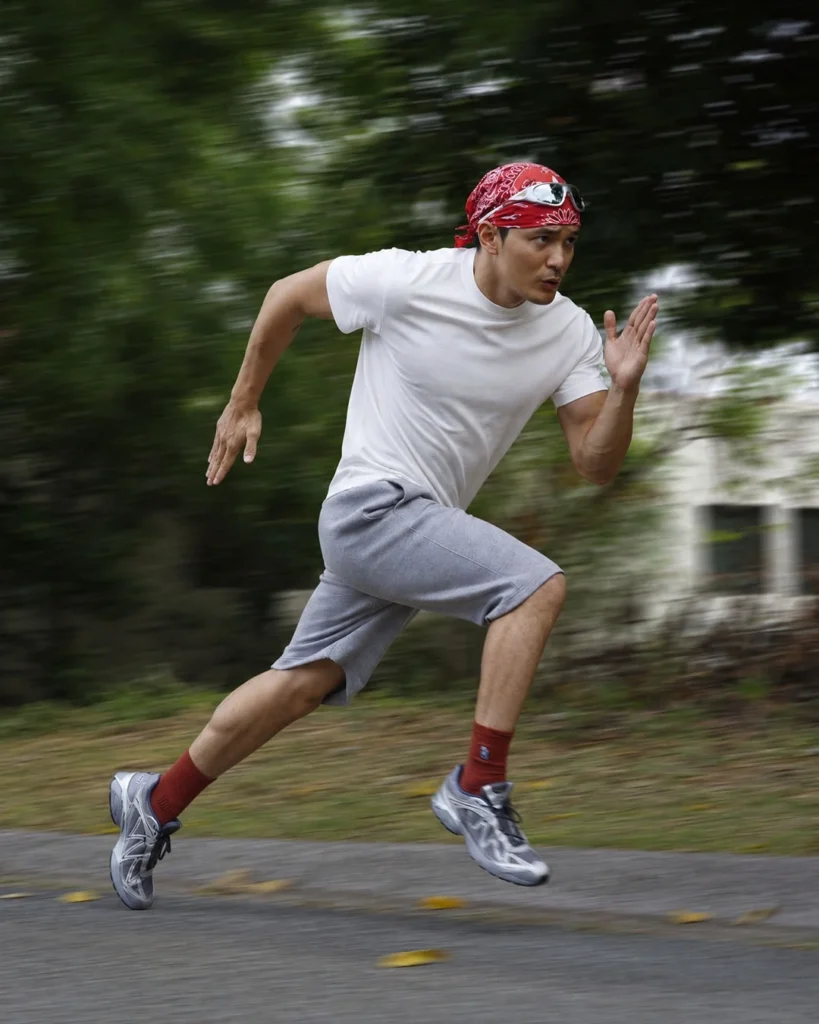
That distinction becomes especially interesting because acting itself is built around transformation. The profession requires an actor to disappear into different identities, yet the longer a career continues, the more important it becomes to understand what remains underneath them. Madrid has played heroes, action figures, dramatic characters and fantasy roles, but each new performance inevitably brings him back to the same person when the director calls cut. That return to himself appears to matter.
His faith is another part of that personal foundation. In August 2026, Madrid spoke publicly about being a member of Iglesia Ni Cristo and the way that faith influences some of his professional decisions. He acknowledged that it can make certain roles or endorsements more complicated, but he does not view it simply as a limitation. Instead, he communicates with production teams about boundaries and makes choices consistent with his beliefs. He has also turned down opportunities involving alcohol and gambling because they conflict with those convictions. In an industry where public figures are often encouraged to be endlessly adaptable, there is something notable about maintaining boundaries. Authenticity is not always about saying everything. Sometimes it is about knowing what you will not compromise.
That principle seems to extend beyond religion and into his broader approach to work. Madrid has experienced the unpredictable nature of entertainment long enough to understand that careers are rarely linear. There are periods when opportunities arrive quickly and others when an actor must wait. There are projects that succeed and others that disappear almost immediately. There are roles that audiences embrace and performances that receive little attention. The temptation is to interpret every outcome as a judgement of personal worth, but his career suggests otherwise. The younger Madrid experienced rejection repeatedly. In an earlier GMA profile, he spoke candidly about the many failed auditions that once made him question whether show business was really where he belonged. Those experiences, however, eventually became part of what strengthened him. That history makes his current position more significant because success becomes more meaningful when you remember the uncertainty that preceded it.
For Madrid, the next chapter therefore seems less concerned with maintaining an image than expanding it. He is still the action hero audiences recognise, still capable of carrying a major television project and still connected to the entertainment culture that made him a household name. But alongside that familiar identity is an actor increasingly interested in independent cinema, challenging characters and stories that have something to say about the world beyond the screen. The international potential of that evolution is considerable. Filipino cinema and television have become increasingly visible across Asia and beyond, and performers like Madrid occupy an interesting position between mainstream entertainment and more ambitious storytelling. His work demonstrates that commercial recognition and artistic development do not have to exist at opposite ends of the industry. The challenge is to continue moving between them without losing authenticity.
For Madrid, that may ultimately be the defining challenge of maturity. It is not about becoming more famous, but becoming more deliberate. There is a point in every successful actor’s career when the question changes from whether he can do something to what he wants to say with the opportunity he has been given. Madrid appears to be arriving at that point now. The roles are becoming broader, the films more demanding, the locations more diverse and the stories more significant in their social and emotional dimensions. Behind all of it is an actor who seems increasingly conscious that a career is not simply measured by how many people remember your face. It is measured by what they remember you for.
For Ruru Madrid, the answer may eventually be found not in one defining character but in the accumulation of choices: choosing challenging stories, choosing growth over comfort, choosing to remain grounded while his profile expands and choosing to leave something meaningful behind in the lives of the people he works with and the audiences who watch him. The boy who once auditioned repeatedly simply hoping for a chance has grown into a performer with the freedom to decide what kind of actor he wants to become. Perhaps that is the most compelling stage of his journey. The audience already knows Ruru Madrid the star. The next chapter is about discovering Ruru Madrid the actor.