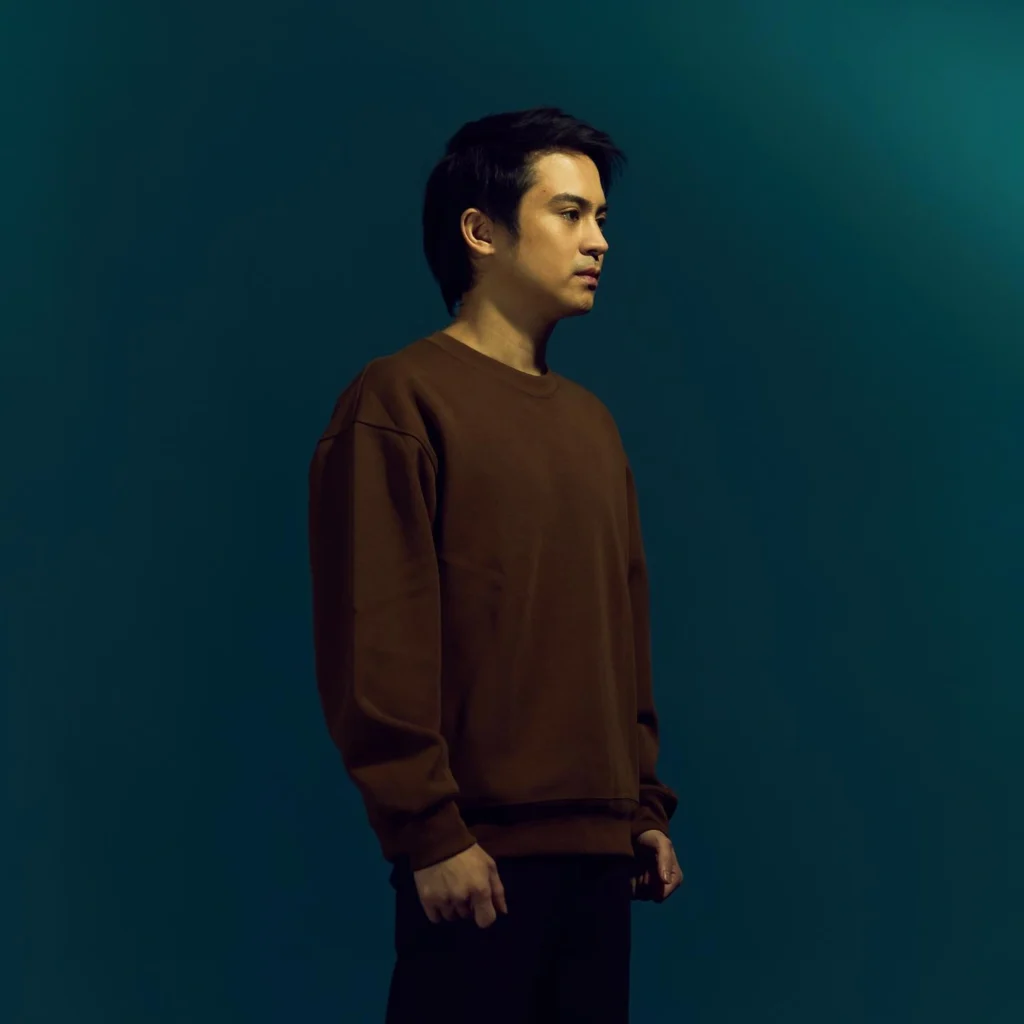
A particular kind of maturity only comes from growing up where everyone can watch. For Jhake Vargas, the transition from young television personality to an established actor, singer and familiar face in Philippine entertainment has unfolded in public, with audiences witnessing not only the characters he has played but also the different versions of the person behind them. More than a decade after first entering the industry, Vargas is no longer simply the young talent people remember from his early television years. He is an artist who has had to learn, like anyone building a life under observation, how to evolve without losing the parts of himself that first made the journey meaningful.
Vargas entered show business at a young age after being discovered by the late German Moreno through Walang Tulugan with the Master Showman. From there came the television roles that established him as one of the recognisable young faces of his generation, including appearances in Tween Hearts, Stairway to Heaven, Buena Familia, Kambal Karibal and eventually the long running Pepito Manaloto. Alongside acting, music has remained another important part of his creative identity. He released his debut album Ngiti and has continued to demonstrate his interest in singing through performances and covers, revealing an artistic side that has existed alongside his acting career rather than simply beneath it.
Yet longevity in entertainment is rarely about simply remaining visible. The industry constantly introduces younger faces, new formats and changing definitions of popularity. What works at one stage of a career may no longer carry the same meaning at another, and for someone who first entered the spotlight as a teenager, growing older can itself become a form of reinvention. The young actor audiences once watched gradually becomes a man with a different set of priorities, experiences and ambitions, and the ability to navigate that transition can become just as important as talent itself.
That transformation is perhaps one of the more interesting aspects of Vargas’s story. His career has never been confined to a single medium. Acting gave him his public identity, music offered another form of expression and television allowed him to remain connected with audiences over the years. He has moved through drama, romance, comedy and entertainment formats, building the kind of versatility that can only come from spending much of one’s life learning how to perform in front of people. Yet another education takes place away from the stage, shaped not by scripts or rehearsals but by experience itself.
Growing up in entertainment means learning early that public attention can be both generous and unforgiving. Audiences celebrate you, remember you, create expectations around you and sometimes continue to associate you with a version of yourself that you have already outgrown. The challenge is not necessarily escaping the past, but learning how to carry it without allowing it to determine everything that comes next. Vargas appears to have embraced that process rather than resisted it. His career today exists alongside memories of his younger years, but it is not defined entirely by them. His continued presence across television projects, film work and public appearances reflects an artist who has remained willing to participate in an industry that is constantly changing around him.
Perhaps that is what longevity actually requires: not remaining the same, but remaining curious. In 2026, Vargas continues to appear in projects and entertainment spaces that connect him with both longtime supporters and newer audiences. His presence in Pepito Manaloto has reinforced the familiarity that has accompanied much of his career, while his willingness to speak openly about personal experiences has offered audiences a glimpse beyond the carefully constructed celebrity image. In July, he recalled an uncomfortable incident from his years of mall shows, illustrating the unpredictable and sometimes overwhelming reality of having built a career around direct interaction with fans. Such encounters are part of what makes Filipino entertainment culture so distinctive. Celebrities are not simply watched from a distance. They are encountered at mall shows, events, television appearances and social platforms, creating a sense of familiarity that can endure for years.
Vargas has lived through that relationship with audiences since he was young, and it has inevitably made aspects of his personal life part of the public conversation. His long relationship with actress Inah de Belen has been followed by audiences for years, but what stands out in more recent conversations around them is not simply the romance itself. In June 2026, Vargas spoke about their plans for marriage, explaining that although they have been living together for several years, they do not want to rush the decision. For him, marriage is something to prepare for rather than something to pursue simply because people expect it. There is something revealing in that perspective because it reflects a maturity that extends beyond the image of the young celebrity relationship audiences may once have followed through photographs and social media.
Their relationship has gradually become a long term partnership shaped by adulthood, family and shared experience. Vargas has spoken about the importance of respect and the fact that love can remain strong even after many years together. Such a relationship exists far beyond the quick narratives of celebrity culture. It is built through ordinary days, difficult conversations and the decision to continue choosing one another when the novelty of being watched has disappeared. It is another example of how much Vargas’s life has changed since the beginning of his career, when so much of his identity was still being formed in front of an audience.
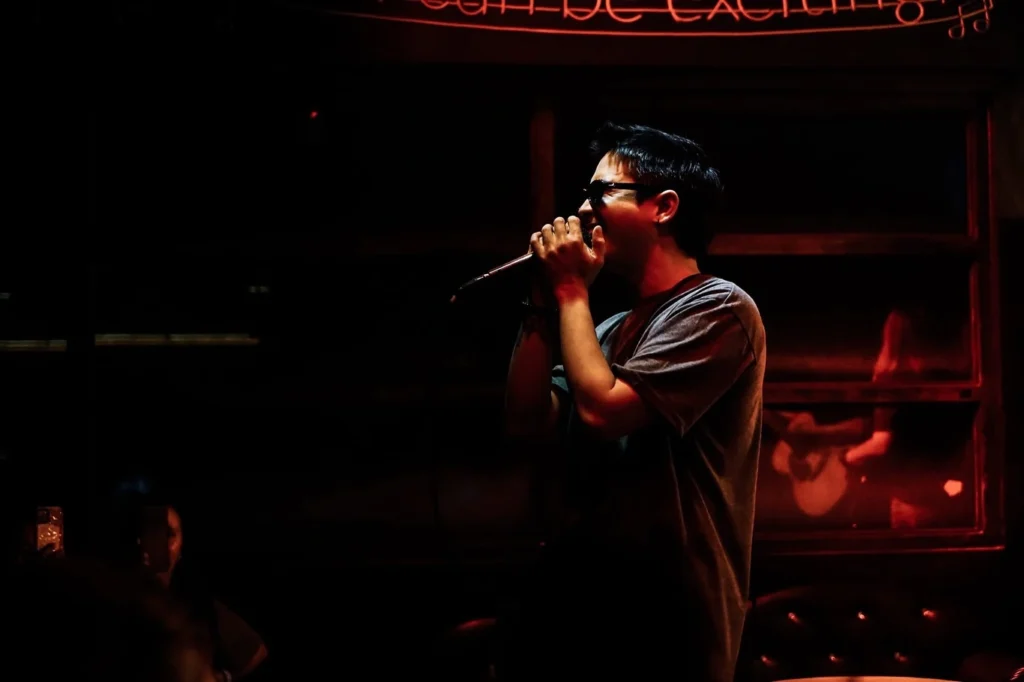
The entertainment industry often celebrates beginnings. The debut, the first major role, the first album, the first award and the moment when an emerging talent becomes a recognised name all receive attention. There is less fascination with what happens afterwards, when excitement becomes routine and success requires consistency rather than novelty. For Vargas, that consistency has become part of his identity. He has remained connected to music even while acting became his most visible profession. His earlier covers, including his acoustic version of Justin Bieber’s Love Yourself, showed that music was not simply an accessory to his television career but something he genuinely enjoyed. His musical side offers another dimension to an artist who has never been completely comfortable being reduced to a single label.
Actor, singer and television personality are all accurate descriptions of Jhake Vargas, but none tells the whole story. Perhaps the most significant evolution is therefore not professional at all. It is personal. A person who enters show business young inevitably has to learn how to separate applause from self worth. There will always be another role, another younger actor, another trend and another measure of popularity. If identity depends entirely upon those things, the entertainment industry can become an exhausting place to exist. Maturity offers another possibility: to appreciate recognition without needing it to define you.
Vargas’s journey suggests an increasing comfort with that distinction. He continues to work, appear, entertain and explore different aspects of his creativity, but the urgency of proving that he belongs seems increasingly replaced by the confidence of someone who already understands how much ground he has travelled. There is also something particularly Filipino about the endurance of his career. Philippine entertainment has a remarkable ability to create long term relationships between audiences and performers. Viewers grow up with actors, watch them move from adolescence into adulthood and eventually begin to see aspects of their own lives reflected alongside those familiar faces.
Vargas belongs to that generation of performers. For some audiences, he may remain connected to childhood television memories. For others, he is now a more mature actor, a partner, a musician and an established personality. Both versions can exist at the same time, and that is perhaps the privilege and challenge of growing up in public. You cannot erase the person you once were, but you can continue adding to the story.
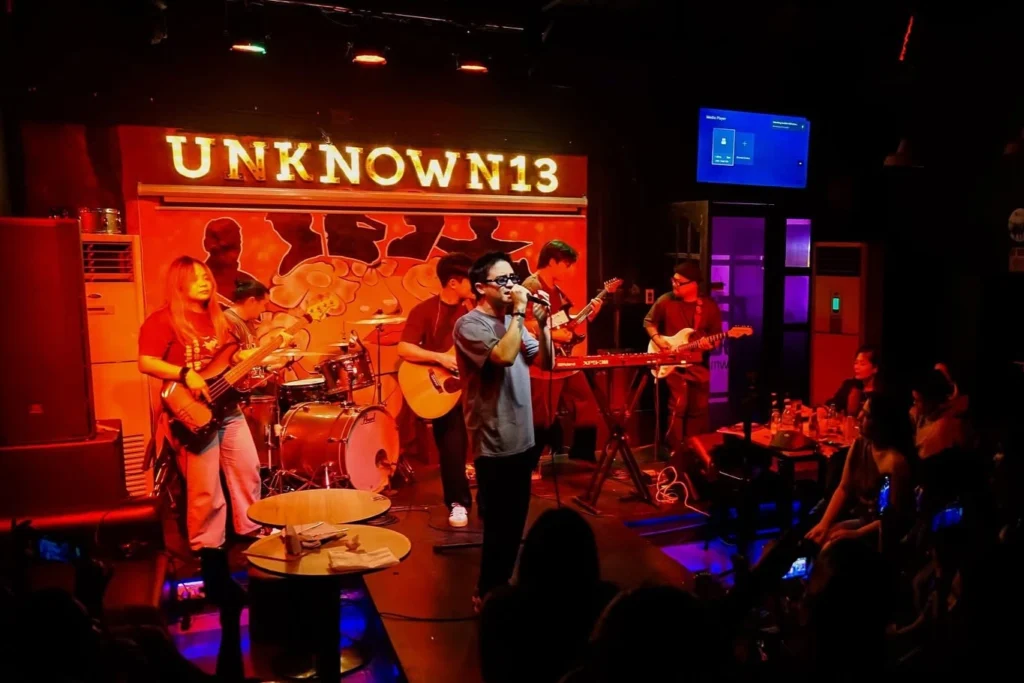
That may be where Vargas finds himself now. He is not attempting to distance himself from the young man audiences first knew, but allowing that young man to become the foundation for everything that followed. The years have brought different characters, relationships, ambitions and understandings of what it means to build a life in entertainment. The spotlight may have introduced Jhake Vargas to the public, but time has given audiences the opportunity to see something more valuable than a rising star: a person becoming himself.
The next chapter of his career does not need to be about proving that he can remain famous. It is about continuing to discover what he can become. Whether through acting, music, television or the quieter parts of life that never make the headlines, the most compelling story may be the one that happens when the performance ends. Because after years of playing characters, the most important role is inevitably the one no actor can rehearse: being yourself.