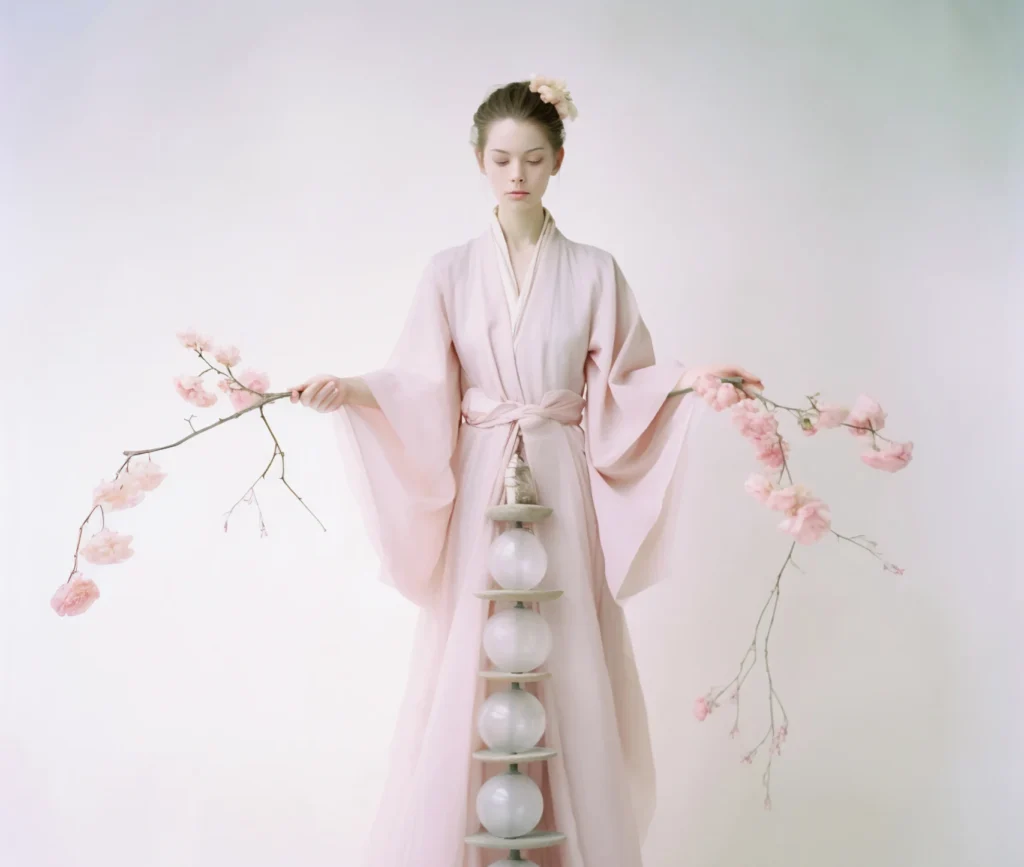
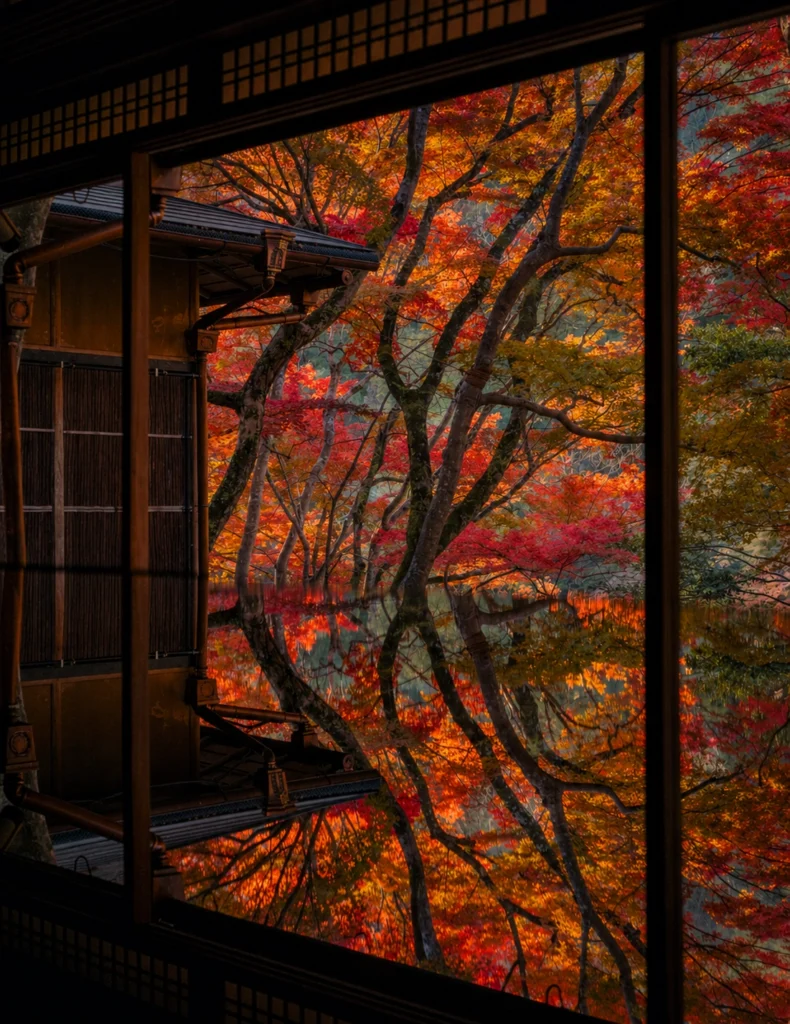
For Kevin Ong, photography is ultimately an exercise in observation. It is about recognising the beauty, character and atmosphere hidden within familiar surroundings and finding ways to present them from a fresh perspective. What began as a casual university pastime, shared with friends as a way to spend time, gradually developed into a deeper creative pursuit. Initially, he had no particular ambition to turn photography into a profession. However, he became increasingly fascinated by how the same location could communicate an entirely different feeling depending on the way it was framed. That curiosity stayed with him, transforming an informal interest into the creative practice that defines his work today. Rather than simply documenting what he sees, Ong is interested in how a photograph can change the way someone else sees it.
Living in Singapore has played an important role in developing his visual perspective. Although it is a relatively small country, he believes there is always something new to discover within its streets and neighbourhoods. He is particularly drawn to the contrast between older residential areas and the city’s increasingly modern architecture. These different environments exist alongside one another, creating visual relationships that can easily go unnoticed in everyday life. People move through familiar spaces without necessarily considering their character or composition, but Ong approaches them with a photographer’s curiosity. He looks for ordinary scenes that might initially appear unremarkable, then searches for a frame that reveals something unexpected. Through this approach, familiar locations become opportunities for visual storytelling.

His creative process is often defined by patience rather than the number of photographs he takes. Before pressing the shutter, he prefers to spend time studying a scene, considering how buildings interact within the frame, where the light falls and whether the different elements create a natural balance. He is particularly interested in simplicity and negative space, believing that an image does not need to be filled with detail to hold someone’s attention. Sometimes the most effective composition is one in which very little appears to be happening. The relationship between light, architecture and open space can provide all the visual interest required. Weather and changing conditions also influence his decisions, and he is willing to wait for the right atmosphere to bring an image together. For him, photography is as much about knowing when to wait as it is about knowing when to shoot.
Travel introduces new environments and fresh creative challenges, but Ong is not necessarily interested in reproducing the familiar images associated with popular destinations. While iconic landmarks have their appeal, he is equally attracted to quieter streets, overlooked corners and small architectural details that might otherwise escape attention. Even in locations photographed thousands of times, he looks for a perspective that feels personal. The challenge is not simply to capture a place as others recognise it, but to discover something that reflects his own experience of being there. This approach allows him to move beyond conventional travel photography and create images that are more closely connected to his individual way of seeing.
Japan is a particularly important source of inspiration in this respect. He is drawn to the country’s distinctive visual rhythm, where architecture, streets, signage and everyday details come together to create an atmosphere that feels endlessly interesting. Yet his connection with Japan goes beyond its visual appeal. He is fascinated by how dramatically the mood of a location can change throughout the day. Early morning light can transform a familiar street, while the quieter atmosphere of the evening can reveal an entirely different character. Returning to the same places never feels repetitive because there is always another detail, composition or moment waiting to be discovered. It is this sense of continued exploration that keeps drawing him back and makes Japan a place he never feels he has completely finished photographing.
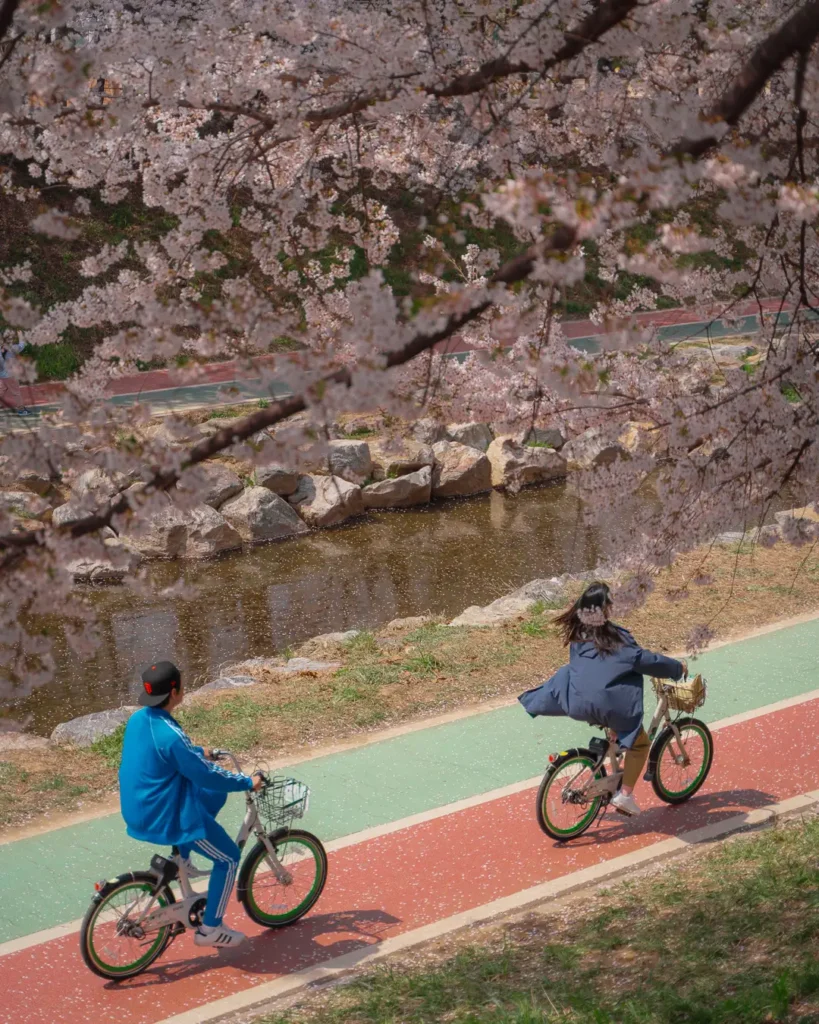
When considering what makes a photograph memorable, Ong places far greater importance on the photographer’s perspective than on the equipment being used. A camera is undoubtedly an important tool, but it cannot independently determine what makes an image meaningful. What interests him is the decision behind the photograph: why someone chose a particular location, angle and moment. Two photographers could stand in exactly the same place with identical cameras and still produce completely different images. Their individual instincts, observations and creative interpretations would shape the results. Equipment can help translate an idea into a photograph, but it cannot provide the original vision. For Ong, the photographer’s ability to notice something distinctive is what gives an image its character.
This philosophy also influences the way he approaches planning and spontaneity. He often begins with a feeling or a general visual direction rather than a fully developed concept. There may be a particular mood he wants to capture, or he may simply begin walking through a location and allow the surroundings to guide him. Having an idea provides a sense of purpose, but he does not want to become so committed to it that he overlooks unexpected opportunities. Some of the photographs he values most are those that developed naturally, without following an exact plan. This balance between intention and openness allows him to remain creatively focused while giving the environment room to surprise him.
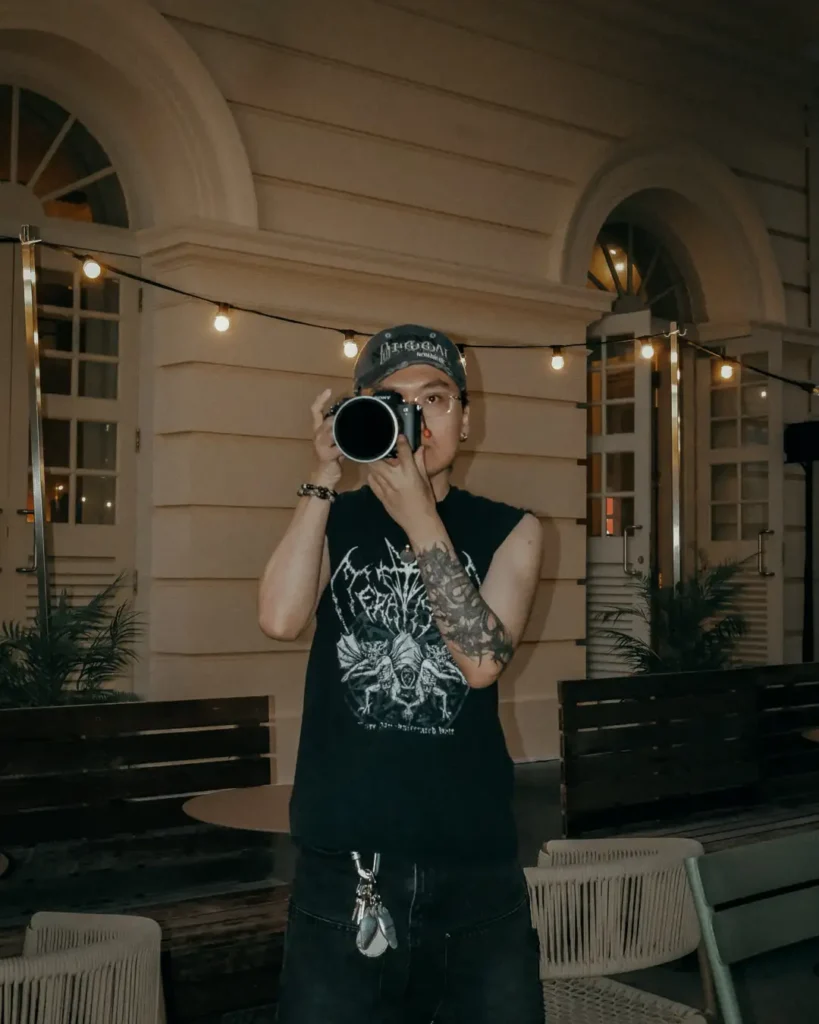
His experience with commercial photography and personal projects has also helped him develop a more balanced creative approach. Commercial assignments come with specific briefs, objectives and expectations, requiring him to work within defined boundaries while still maintaining his own visual identity. He enjoys finding ways to meet those requirements without losing the perspective that makes his work distinctive. Personal photography, however, offers a different kind of freedom. Without the need to justify every creative decision against an external brief, he can follow an idea simply because it interests him. He sees both sides as essential to his development. Commercial work encourages discipline, consistency and an understanding of professional expectations, while personal projects reconnect him with the original curiosity that inspired him to pick up a camera.
As technology continues to transform photography, Ong remains interested in the possibilities offered by new tools and equipment. However, he does not believe that technological advancement automatically produces stronger creative work. Better cameras and increasingly sophisticated equipment can expand what is technically possible, but the qualities he values most remain rooted in human observation. Timing, framing, atmosphere and the ability to recognise what should be left outside the composition are decisions that still depend on the photographer. Technology may change the process of making images, but having a distinctive point of view will continue to matter more than owning the latest equipment. His perspective reflects a belief that creativity begins with the individual, not the technology.
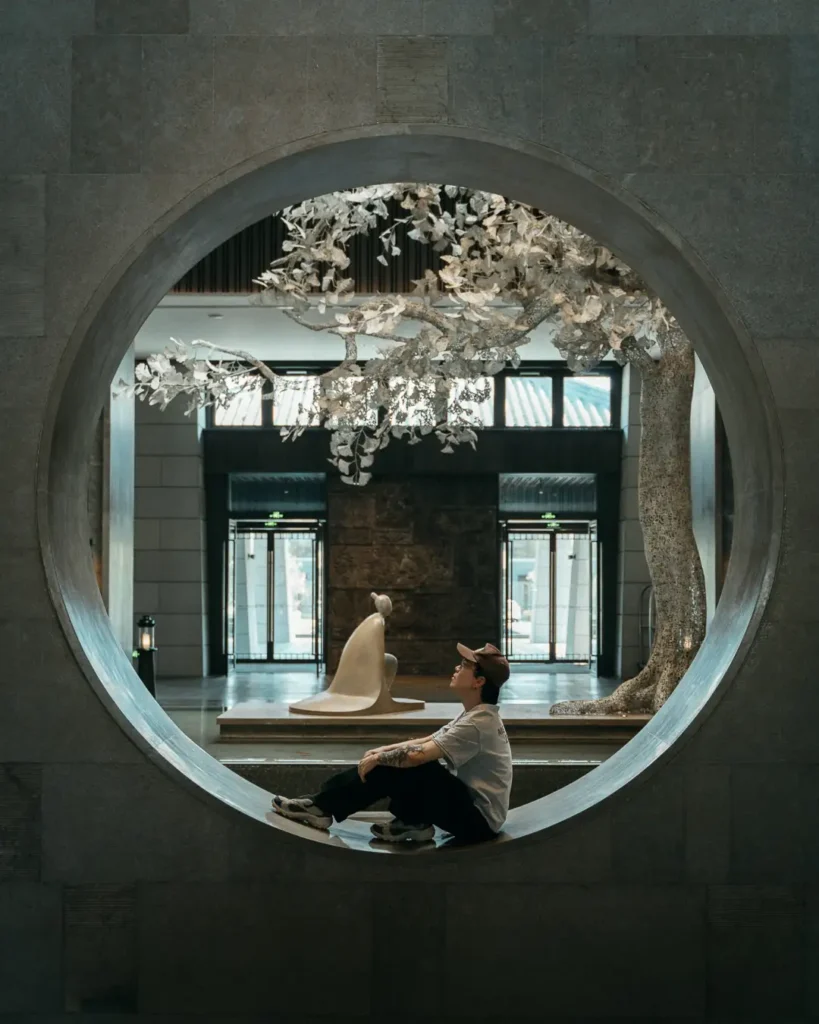
Looking towards the next stage of his journey, Ong is particularly interested in exploring filmmaking and cinematography. He sees moving images as a natural extension of the visual principles he has developed through photography. Composition, light and atmosphere remain central, but film introduces additional dimensions through movement, sound and the passage of time. He is interested in discovering how the visual language of a still photograph can evolve into a sequence of images that communicates a story through motion. Alongside this ambition, he hopes to continue travelling, developing personal projects and challenging himself with unfamiliar creative experiences. The opportunity to move beyond what he already understands is an important part of what keeps him motivated.
Kevin Ong’s approach to photography is built on a simple but powerful idea: there is always more to see than what first appears. Whether exploring the streets of Singapore, returning to the changing atmosphere of Japan or working within the requirements of a commercial assignment, he remains guided by curiosity and an appreciation for visual simplicity. His work is not defined by the pursuit of spectacle, but by the ability to find significance in everyday surroundings. As he moves towards filmmaking and cinematography, that instinct for observation will continue to shape his creative direction. For Ong, the most compelling image is not necessarily the one that captures the most, but the one that makes someone pause, look again and discover something they might otherwise have missed.