
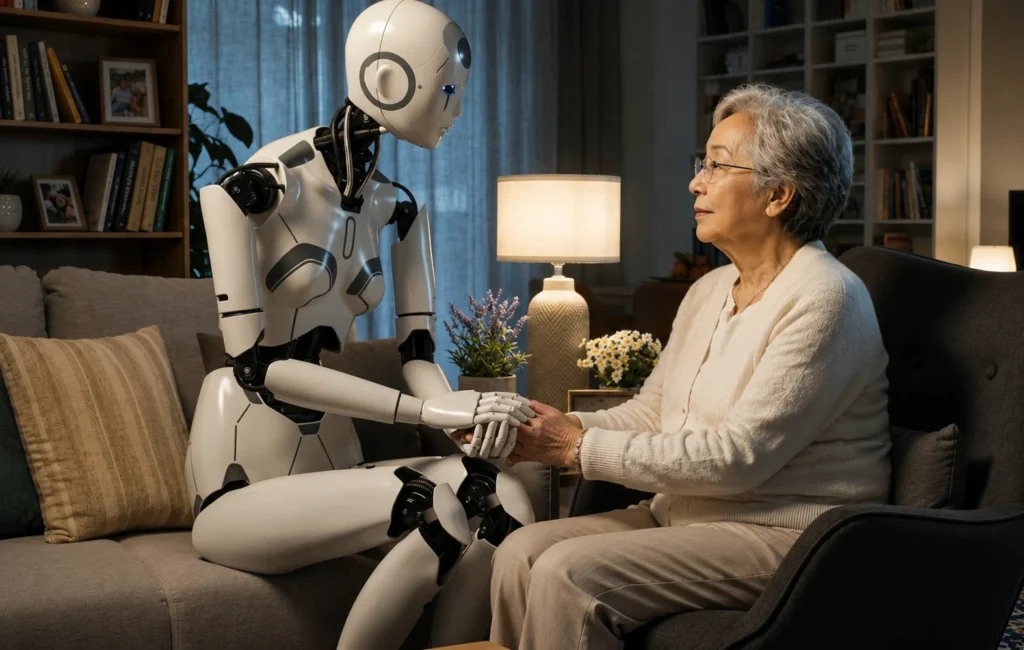
Forsooth, there are moments in history when a nation appears to step lightly into the future whilst the rest of the world is still debating whether the door ought to be opened at all. South Korea, in this present decade, seems to be living one such moment. In the bustling avenues of Seoul, amid gleaming towers and crowded underground stations, robots are no longer curiosities confined to laboratories or science-fiction fantasies. They are becoming neighbours, assistants, entertainers and, in some instances, companions. What was once regarded as advanced engineering is gradually transforming into something far more intriguing: a culture.
The global conversation around artificial intelligence has largely centred on software, algorithms and the unseen systems powering modern life. South Korea, however, is increasingly demonstrating that the future may possess a physical form. Across the country, robots are stepping out from factory floors and entering public spaces, schools, hospitals, museums and retail environments. Their presence is no longer viewed merely through the lens of efficiency or industrial productivity. Instead, they are becoming visible participants in daily life, generating a social phenomenon that extends beyond technology and into the realms of identity, design and popular culture.
This transformation did not occur overnight. South Korea’s longstanding reputation as a technological powerhouse laid the foundation decades ago. The nation’s remarkable rise in electronics, semiconductors and advanced manufacturing created an environment where innovation became woven into the national character. Yet the current fascination with robotics reflects something deeper than economic ambition. It represents a society experimenting with how humans and machines might coexist in increasingly intimate ways.
Walk through a modern exhibition in Seoul and one is likely to encounter humanoid robots greeting visitors, autonomous machines guiding guests through galleries, or robotic performers captivating audiences with synchronised movements that rival professional dancers. These displays are not treated as distant demonstrations of engineering prowess. Families attend them with the same curiosity and excitement traditionally reserved for cultural festivals or theatrical productions. The robot is no longer solely a machine; it is becoming a spectacle, a storyteller and a symbol of national aspiration.
Much of this enthusiasm stems from South Korea’s unique relationship with technology. Unlike societies where technological disruption often provokes anxiety, South Korea has historically embraced innovation as a vehicle for national progress. High-speed internet, digital payments, smart cities and mobile connectivity were adopted rapidly and enthusiastically. Robotics, therefore, arrives not as an alien force but as the next chapter in a familiar narrative. The public appears remarkably willing to explore how intelligent machines can enhance everyday experiences rather than simply replace human labour.
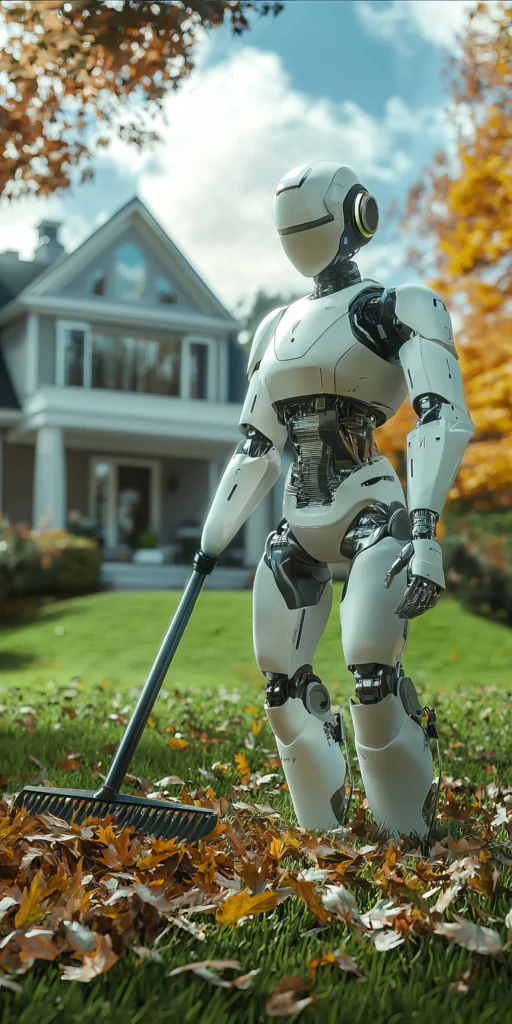
At the same time, demographic realities are helping shape this robotic future. South Korea faces one of the world’s most significant demographic challenges, with an ageing population and declining birth rates creating long-term pressures on healthcare systems, labour markets and social services. In response, robotics is increasingly viewed not only as a technological opportunity but also as a practical necessity. Service robots in hospitals assist medical staff with routine tasks. Autonomous delivery machines navigate urban environments. Elder-care technologies are being developed to support older citizens while preserving independence and dignity.
Yet it is the cultural dimension of this transformation that distinguishes South Korea from many other technologically advanced nations. The country has demonstrated a remarkable ability to integrate innovation with entertainment, lifestyle and aesthetics. Robots are being designed not merely for function but for emotional engagement. Their appearance, voice and behaviour are carefully crafted to encourage interaction and familiarity. Engineers collaborate with designers, artists and behavioural specialists to create machines that feel approachable rather than intimidating.
This blending of technology and culture is perhaps most evident in South Korea’s vibrant entertainment sector. The nation that gave the world K-pop and global streaming sensations is now exploring how robotics can contribute to creative expression. Robot dancers perform intricate routines, interactive installations invite public participation, and emerging experiences blur the boundaries between digital media, physical performance and artificial intelligence. In these spaces, robots cease to be tools and instead become performers occupying a stage alongside humans.
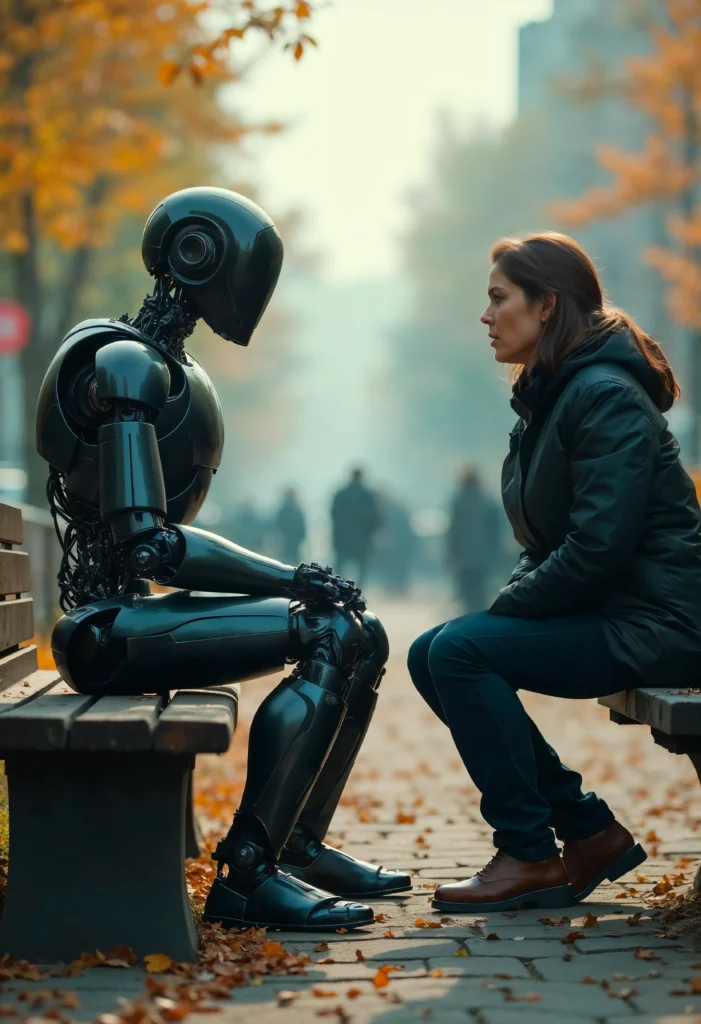
The influence of robotics is also beginning to shape public imagination. Television programmes, educational initiatives and cultural exhibitions increasingly present robots not as dystopian figures but as collaborative partners. Children encounter robotics at an early age through schools and community programmes, fostering familiarity rather than fear. For younger generations, the idea of interacting daily with intelligent machines may soon feel as ordinary as using a smartphone.
Such developments inevitably raise profound questions. As robots become more capable and more integrated into society, what role should they play in human relationships? Can companionship offered by a machine satisfy emotional needs traditionally met by people? How should societies balance convenience with privacy, or efficiency with ethical responsibility? South Korea’s robot culture boom does not provide definitive answers, but it is rapidly becoming a testing ground where these questions move from theoretical debates into practical realities.
International observers are watching closely. Across the Asia-Pacific region, governments and businesses recognise that the intersection of artificial intelligence and robotics may shape the next phase of economic development. South Korea’s experience offers a glimpse of what this future could resemble when technological adoption is accompanied by cultural acceptance. Rather than positioning robots as replacements for human activity, the country is exploring how they can become integrated into the social fabric itself.
There is also a symbolic dimension to this movement. Throughout history, societies have often projected their hopes and anxieties onto emerging technologies. The steam engine, the automobile and the computer each inspired visions of transformation. Today, robots occupy a similar place in the collective imagination. In South Korea, they have become emblems of possibility—physical manifestations of a future that feels tangible and immediate. Their growing visibility reflects a broader confidence in innovation and an enduring belief that technology can improve quality of life.

Of course, challenges remain. Questions surrounding regulation, employment, cybersecurity and ethical governance will only grow more pressing as robotics becomes increasingly sophisticated. Public enthusiasm alone cannot resolve these complexities. Policymakers, businesses and communities will need to collaborate carefully to ensure that technological progress remains aligned with human values. The success of South Korea’s robotic future will depend not merely on engineering excellence but on thoughtful stewardship.
Nevertheless, there is something undeniably fascinating about witnessing a society embrace machines with such curiosity and creativity. South Korea’s robot culture boom is not simply a story about technology. It is a story about imagination, adaptation and the evolving relationship between humanity and its own inventions. It reveals a nation seeking not merely to build smarter machines, but to redefine how those machines fit within everyday life.
As the world stands on the threshold of a new technological era, South Korea offers an intriguing preview of what may lie ahead. The robots appearing in its streets, cultural venues and public institutions are more than mechanical marvels. They are participants in a grand social experiment, one that challenges conventional assumptions about work, companionship, creativity and community. Whether this vision ultimately becomes a global model remains uncertain. Yet for now, amid the bright lights and restless energy of modern Korea, the future seems to have found a remarkably human face—crafted not from flesh and bone, but from circuits, sensors and steel.