
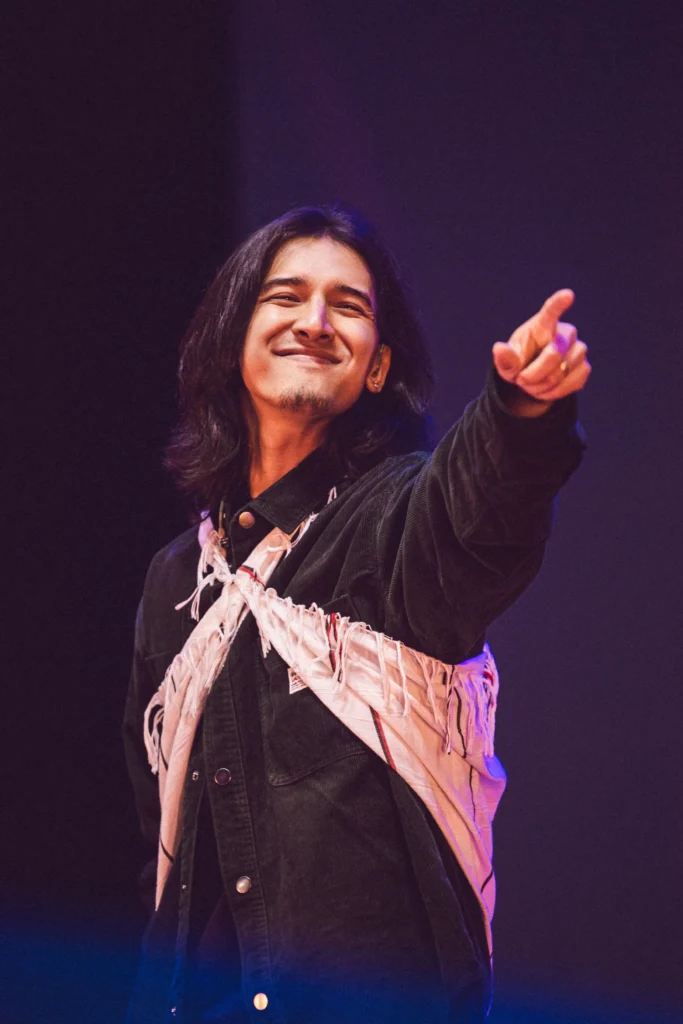
Few memorable songs rarely begin with a formula. They begin with a feeling that refuses to be ignored. For Nepal’s acclaimed singer songwriter Swoopna Suman, music has never been about chasing trends or writing the next chart topping hit. It has always been about telling honest stories that people recognise as their own. Across more than a decade of creating music, he has become one of Nepal’s defining contemporary voices by proving that authenticity speaks louder than spectacle. Whether through heartfelt pop ballads or deeply rooted folk melodies, his songs have become emotional companions for an entire generation of listeners.
Long before audiences embraced his music, Suman was searching for his own voice as a songwriter. Although he had always dreamed of becoming a storyteller through music, his earliest attempts at writing songs failed to capture what he truly wanted to express. Determined to improve, he immersed himself in the work of international artists whose songwriting resonated deeply with him. Ed Sheeran, Adele and Bruno Mars all became important influences, but it was Sheeran’s remarkable ability to communicate profound emotion through beautifully simple lyrics that left the strongest impression. Inspired by that approach, Suman wrote and released K Saro Ramri Bhako, a song that came directly from the heart. When listeners connected so naturally with its honesty, he realised he had discovered the artistic direction that would define everything that followed.
Interestingly, becoming one of Nepal’s leading independent musicians was never part of a carefully planned strategy. Looking back, Suman smiles at how unexpectedly his career unfolded. At the time, he knew very little about the music industry. There were no influential connections, no promotional team and no clear roadmap towards success. What he did possess was a small digital camera, a guitar and an unwavering love for singing. He began recording cover songs and uploading them to YouTube without any grand expectations. What followed changed his life completely. Rather than consciously choosing independence, he believes fate quietly chose it for him, allowing his audience to discover him through sincerity rather than industry convention.
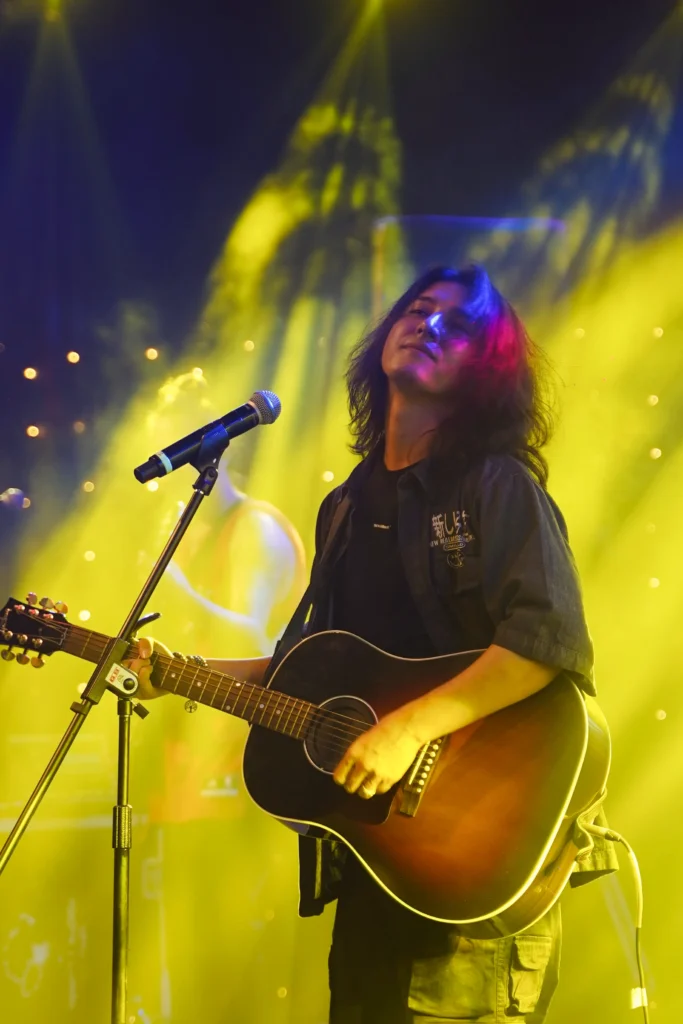
Although his earliest work centred largely on contemporary pop music, Suman gradually found himself drawn towards the extraordinary musical heritage that had always surrounded him. Inspiration arrived unexpectedly through his eighty three year old grandmother, who had been composing and singing traditional folk songs since she was sixteen years old. While she had never pursued music professionally, her remarkable collection of original songs reflected the innocence, traditions and emotional richness of rural Nepal. Together, they began revisiting her compositions, transforming them into modern folk inspired releases that honoured their cultural roots while introducing them to a new generation of listeners. The response exceeded every expectation. Those songs resonated even more deeply than many of his earlier pop successes, confirming that Nepal’s traditional musical identity remains as relevant today as ever. Rather than choosing between contemporary pop and folk music, Suman now embraces both because each represents an equally genuine part of his creative spirit.
One of the most fascinating aspects of Suman’s songwriting is the complete absence of routine. No two songs are created in the same way. Sometimes inspiration emerges while absentmindedly playing a random chord on his guitar. At other times it begins with a friend’s emotional story, a thoughtful conversation with his wife, memories of youthful romance or even a melody that appears unexpectedly while humming to himself. Every composition follows its own unique journey because creativity, for Suman, cannot be forced into predictable patterns. It is simply about remaining open to the countless moments life quietly offers.
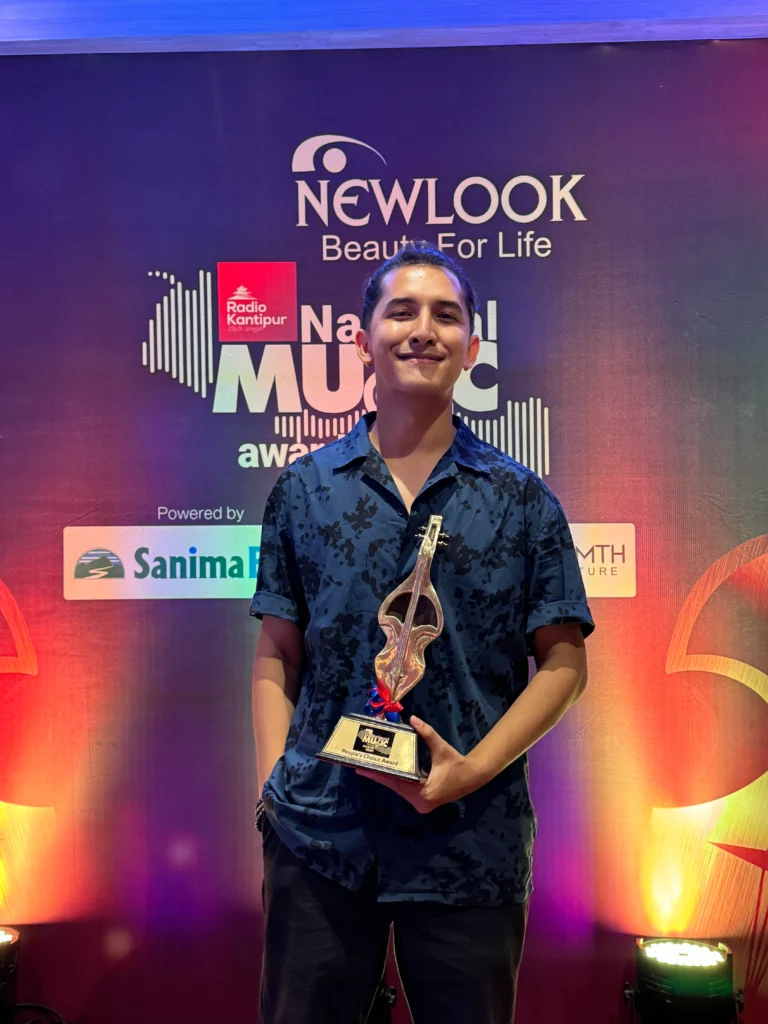
Having witnessed the remarkable evolution of Nepal’s music industry over the past decade, Suman speaks with genuine excitement about its future. When he first began uploading videos, digital platforms existed primarily for entertainment rather than as sustainable careers for musicians. At that time, artists depended heavily upon album sales, and musical diversity remained relatively limited. Today, however, Nepal’s creative landscape has transformed dramatically. Digital streaming has created new opportunities for artists to share their work globally while earning fair recognition for their creativity. Audiences now embrace an extraordinary variety of genres, and live performances have become an integral part of Nepal’s cultural life. These developments have not only strengthened the industry but also inspired Suman to continue creating with renewed passion. Looking ahead, he firmly believes Nepali music is destined to reach audiences across the world.
Like every artist, Suman has also experienced moments when creativity seems to disappear completely. Early in his career, those creative blocks caused anxiety and frustration. With experience, however, he has learned to accept them as a natural part of artistic life. Rather than forcing ideas to appear, he now allows himself time to simply pause. He steps away from work, explores new places, meets different people and listens to their stories. Sometimes inspiration returns through nothing more than being fully present in everyday life. This patient approach has taught him that creativity cannot be hurried. Instead, it flourishes when given the freedom to arrive naturally.
Social media has fundamentally transformed the relationship between Suman and his listeners. Having built his career from YouTube covers before expanding onto streaming platforms and live performances, he has witnessed first hand how digital technology has reshaped independent music. More importantly, these platforms have allowed him to connect directly with the people who support his work. Through regular conversations and shared moments beyond the stage, audiences have come to know not only the artist but also the individual behind the songs. That openness has made his music feel increasingly personal, strengthening the emotional connection that continues to define his career.

In an era where many artists feel pressured to chase viral success, Suman has deliberately chosen a different path. His playlists remain filled with the music he loved growing up, and he rarely concerns himself with whatever happens to be fashionable at any given moment. Authenticity, he believes, comes from creating only when genuine inspiration exists. Music has always been his most honest form of self expression, and remaining faithful to that purpose naturally protects him from becoming distracted by passing trends.
While Nepal is internationally recognised for its spectacular mountains and breathtaking landscapes, Suman believes the country’s greatest treasures extend far beyond its scenery. Through music, he hopes audiences around the world will discover Nepal’s rich history, diverse traditions and deeply connected communities. These stories, shaped by generations of cultural heritage, deserve far greater international recognition and possess the emotional depth to resonate far beyond national borders.
Despite everything he has achieved, Swoopna Suman speaks with the humility of someone who believes his journey is only just beginning. He hopes future generations remember not simply the songs he released but the emotions they carried. If compositions such as Radha continue to touch hearts long into the future, he will consider that a privilege beyond measure. More importantly, he hopes young singer songwriters across Nepal feel encouraged to dream fearlessly, express themselves honestly and believe that their own stories deserve to be heard. Through every lyric he writes, Swoopna Suman continues to prove that the most powerful music is often the simplest, because truth has always been the most beautiful melody of all.