The gilded monolith is fracturing. For decades, the silhouette of luxury across the Asia Pacific was a curated, Western facing uniform, a predictable lexicon of monograms and glass fronted flagships that looked the same in Shanghai as they did in Singapore or Sydney. But as we traverse 2026, the tectonic plates of desire have shifted. The era of the global citizen who buys to belong is being usurped by the sovereign seeker who buys to remember. What we are witnessing is the grand homecoming of taste. From the winding gallis of Jaipur to the neon drenched alleys of Chengdu, a new aesthetic is taking root. This is not a rejection of quality, but a radical redefinition of it. It is the rise of hyper local luxury, a movement where the prestige of the past meets the pulse of the present, and where new consumption isn’t about how much you spend, but how deeply you feel.
The old gods of luxury, prestige, exclusivity, and mass market recognition, are losing their grip. In their place, a more intimate deity has emerged: meaning. The modern consumer in Southeast Asia or China is no longer seduced by the mere flex. The heavy, gold embossed logo has begun to feel like an anchor rather than a wing. Instead, there is a visceral craving for experience led spending. Luxury is now found in the unrepeatable moment, perhaps a private tea ceremony in a restored shikumen, a bespoke fragrance crafted from the rare resins of a specific Thai province, or a digital physical hybrid art piece that evolves based on the owner’s biometric rhythm. This is a shift from the theatrical to the theological. Consumption is no longer a performance for the spectator; it is a ritual for the self. The status now lies in the story, the provenance, and the soul of the object. If a brand cannot articulate its purpose beyond its price tag, it is increasingly invisible to the discerning eyes of the new Asia Pacific elite.
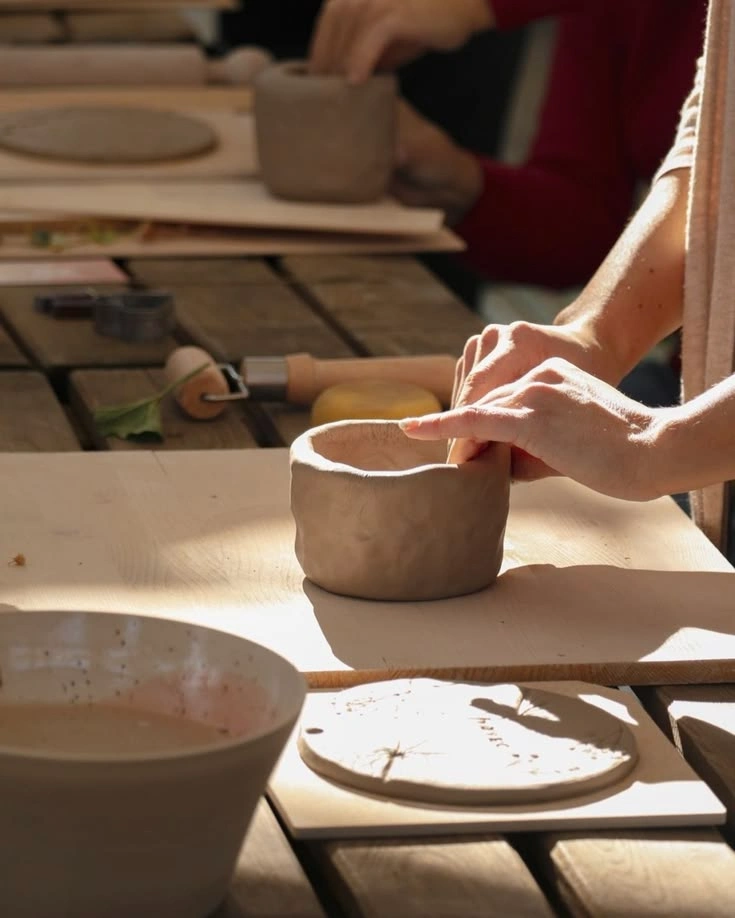
Perhaps the most startling evolution is the geographical decentralisation of cool. The traditional gravity of top tier megacities is being challenged by a fierce, creative insurgency from secondary and tertiary hubs. These cities are no longer just emerging markets; they are the new crucibles of lifestyle. In places like Hangzhou, Pune, and Da Nang, a fresh generation of consumers is bypassing the trickle down fashion of the capitals. They are building their own hubs, blending high tech urbanity with deep seated regional pride. These cities offer a different pace of life, one that allows for lifestyle micro luxuries like the perfect home espresso setup, high end wellness retreats a short drive away, and local designer boutiques that celebrate regional textiles over imported silks. There is an unapologetic embrace of local identity. We see the rise of Neo Orientalism and Modern Vedic aesthetics, styles that take the bones of tradition and dress them in the sleek, minimalist design of the future. These provincial pioneers are not trying to be global. They are trying to be the most authentic versions of themselves, and in doing so, they are creating the most compelling luxury landscapes in the world.
The new consumption mindset is underpinned by a sharp, almost poetic pragmatism. The term trading smart has become the mantra of the mid 2020s. It represents a sophisticated decoupling of price from value. The 2026 consumer is an expert curator. They might pair a vintage, hand loomed ikat sarong with the latest high spec wearable tech. They are happy to spend a fortune on a singular, unique object, a micro luxury that offers daily joy, while remaining ruthlessly efficient in other areas of spending. This is not budgeting in the traditional sense; it is an exercise in aesthetic integrity. Quality is non negotiable, but mass prestige is often seen as a liability. The smart trader seeks out the unseen brand, the artisanal workshop that produces only fifty pieces a year, or the digital first label that exists only in the metaverse but ships physical masterpieces to a handful of devotees. We are moving from an age of having to an age of being. The object is merely the bridge to the state of mind.
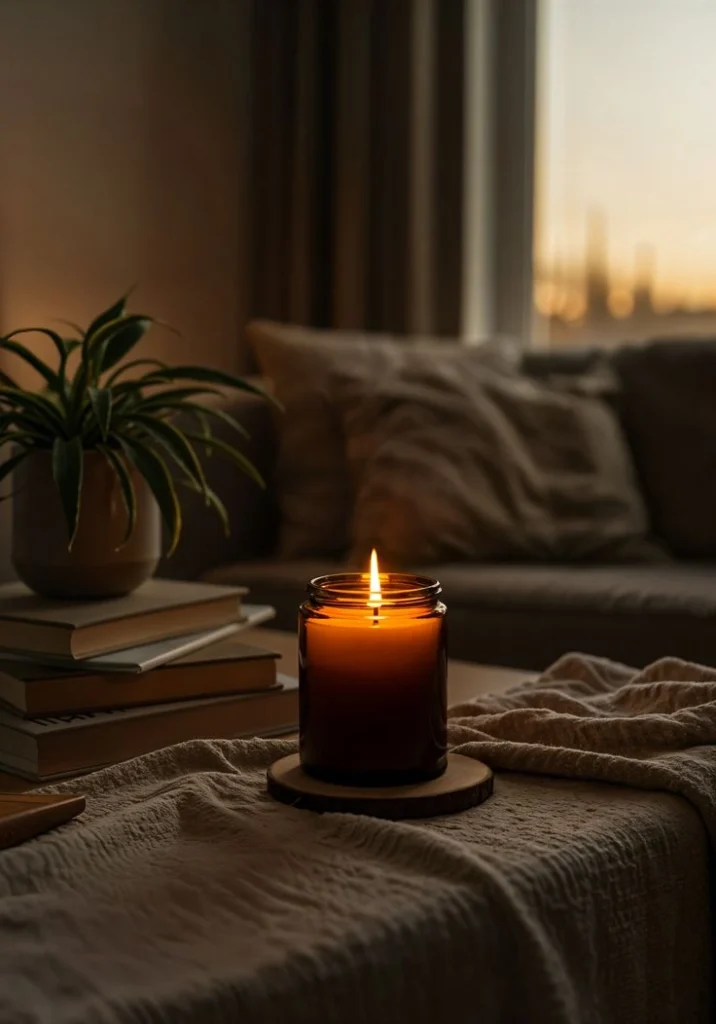
In this brave new world, the traditional categories of fashion, beauty, and auto are bleeding into one another, unified by the twin pillars of fandom and well being. Luxury is being democratized through the lens of fandom. High end, artist designed toys, limited edition vinyl, and digital assets have become the new heirlooms. These are emotion led purchases, fueled by a sense of community and a shared obsession. Simultaneously, wellness has moved from a chore to a luxury aesthetic. It is no longer about the gym; it is about the wellness upgrade. This includes bio harmonising home environments, air purification systems that double as sculptural art, and quiet tech that helps the mind find stillness in the digital roar. The big spend is being supplemented, and sometimes replaced, by a constant stream of high quality, culturally relevant micro purchases. A specific bean from a sustainable farm in Sumatra, a hand poured candle that smells of a Monsoon evening, or a subscription to a private digital club.
The Asia Pacific region has always been a digital pioneer, but in 2026, the technology has become invisible, woven into the very fabric of the hyper local experience. Consumption is digital first, but it is no longer cold. Social commerce has evolved into a space of genuine storytelling. A weaver in a remote village can now broadcast the rhythm of their loom to a buyer in a penthouse, creating a direct emotional cord that no traditional luxury house can replicate. This is the new consumption aesthetic: it is fierce, it is fragmented, and it is profoundly human. It rejects the blandness of the global nowhere in favour of the richness of the here. It understands that true luxury is not a product of a factory, but a product of a culture. As we look toward the remainder of the decade, the brands that thrive will be those that stop looking at the map and start looking at the soil. The future of luxury in Asia is not a monolith; it is a mosaic, a vibrant, swirling, hyper local masterpiece of identity, emotion, and exquisite, smart desire. The era of the global copy is over. The reign of the local original has begun.