
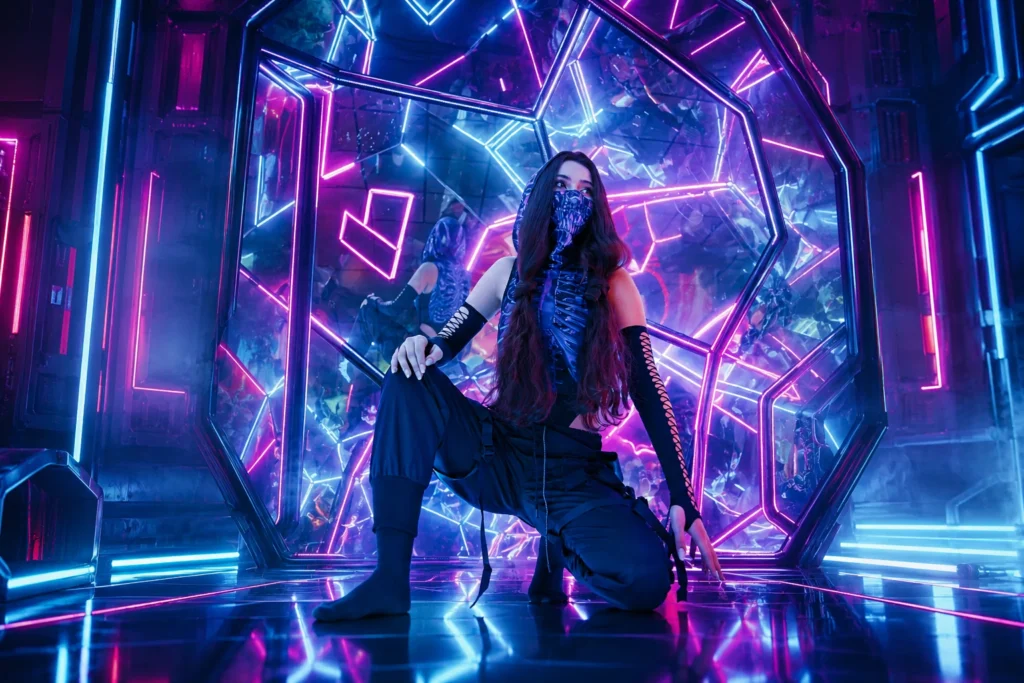
Metamorphosis. Across East Asia, a new era of entertainment is unfolding, one in which the boundaries between technology, celebrity, and human connection are becoming increasingly blurred. In South Korea, Japan, and China, artificial intelligence is no longer confined to the technical machinery operating behind the scenes. It is stepping directly into the spotlight, reshaping how audiences engage with performers and redefining the very nature of fame.
What once belonged to the realm of speculative fiction has become a visible reality. Virtual idols now headline concerts, appear in major advertising campaigns, engage with followers across social media platforms, and command loyal fan communities that rival those of traditional celebrities. For a generation raised in an increasingly digital world, authenticity is no longer determined solely by physical presence. Instead, it is measured through interaction, accessibility, and emotional connection.
South Korea has emerged as one of the most ambitious innovators in this transformation. Long recognised for its ability to anticipate cultural trends, the country’s entertainment industry has embraced artificial intelligence as a powerful creative force. Virtual performers are becoming an increasingly prominent feature of the K pop ecosystem, combining advanced computer generated imagery, motion capture technology, and intelligent communication systems to create remarkably lifelike experiences.
Behind these digital personalities lies a sophisticated fusion of artistry and technology. Human performers often provide movement and expression through motion capture, while AI driven systems enable virtual stars to engage with audiences in ways that feel immediate and personal. The result is a new form of entertainment that challenges conventional ideas about performance and celebrity.
For entertainment companies, the appeal is significant. Digital performers are not constrained by the physical demands placed upon traditional celebrities. They can appear simultaneously across multiple platforms, maintain a continuous presence online, and engage with audiences at virtually any hour. As consumer expectations increasingly favour constant connectivity, virtual personalities offer a model of interaction that aligns perfectly with contemporary digital culture.
China has taken this evolution a step further by integrating AI generated entertainers into its vast digital economy. Virtual influencers and livestream hosts have become familiar figures across social commerce platforms, where entertainment, retail, and technology converge. These digital personalities promote products, host online events, perform for audiences, and cultivate highly engaged communities that extend far beyond traditional fan relationships.

The success of these virtual figures reflects a broader shift in audience behaviour. Modern consumers increasingly seek participation rather than passive observation. Through personalised interactions, digital gifts, exclusive content, and immersive experiences, AI driven entertainers create a sense of closeness that many traditional public figures struggle to maintain amidst demanding schedules and public scrutiny.
Japan’s role in this transformation is equally significant. The country’s longstanding embrace of animation, gaming culture, and digital storytelling laid the foundations for widespread acceptance of virtual personalities long before artificial intelligence entered the mainstream conversation. Audiences had already demonstrated a willingness to form meaningful emotional connections with fictional characters, creating fertile ground for the rise of AI enhanced entertainers.
The global success of virtual performers such as Hatsune Miku illustrated that audiences could embrace digital celebrities not as substitutes for human artists, but as entirely new forms of creative expression. Today’s technological advancements have expanded those possibilities considerably. Virtual idols can now respond dynamically to audiences, adapt interactions based on engagement patterns, and participate in increasingly immersive digital environments.
Yet the rapid growth of AI entertainment also raises important cultural questions. As digital personalities become more sophisticated, debates surrounding authenticity, creativity, and identity continue to intensify. Traditional celebrity culture has historically been rooted in personal narratives, lived experiences, and human vulnerability. Virtual entertainers challenge these foundations by presenting carefully designed personas shaped through technology and strategic development.
Critics argue that the rise of flawless digital personalities may intensify pressures surrounding appearance, behaviour, and public image. Others question how the increasing use of AI tools across music production, animation, content creation, and marketing may influence future opportunities for human creatives. These concerns reflect broader conversations taking place across industries as technology assumes a more prominent role in cultural production.
Despite these debates, the momentum behind AI driven entertainment shows little sign of slowing. East Asia is not merely experimenting with emerging technologies. It is actively shaping a future in which digital and human creativity coexist in increasingly complex ways. For younger audiences in particular, celebrity is no longer defined exclusively by flesh and blood personalities standing beneath stage lights. Influence can also emerge from code, animation, and intelligent systems capable of fostering genuine emotional engagement.
As artificial intelligence continues to evolve, so too will the relationship between audiences and the figures they admire. The entertainment industries of South Korea, China, and Japan are offering an early glimpse into a future where fame is no longer limited by physical reality. Instead, it exists within a dynamic intersection of technology, imagination, and human connection, a space where the next generation of global stars may be entirely digital.