
The Halo Effect in Fashion
When a Celebrity Wears It, Desire Changes Everything
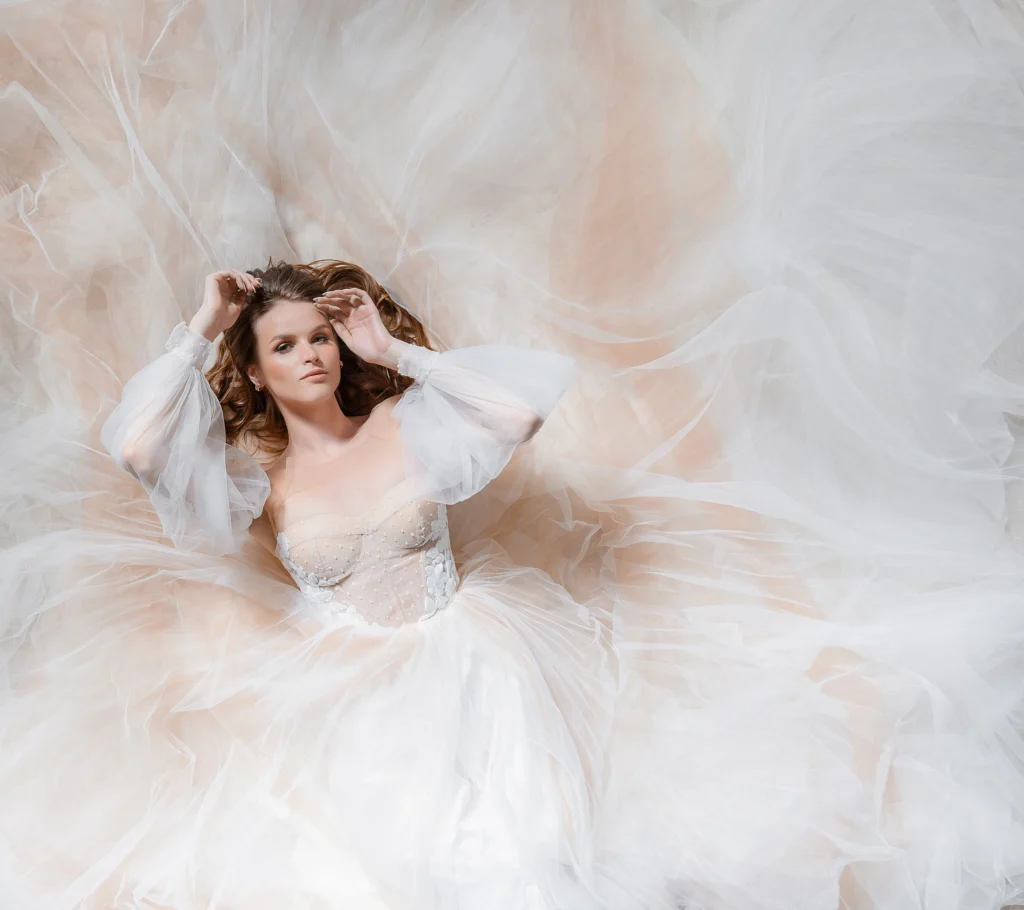
A dress on a hanger is an object of possibility. Silk, perhaps. A sculpted silhouette. A flash of embellishment catching the light. Beautiful, certainly. But not necessarily unforgettable.
Then a woman steps into it.
She moves beneath the camera flashes, shoulders back, chin lifted, her presence as considered as the dress itself. The fabric follows her body. The silhouette comes alive.
Suddenly, what was once an attractive garment becomes something else entirely: seductive, desirable, almost impossible to ignore.
The internet takes notice. The photographs circulate. The dress appears on mood boards, in wish lists, in the collective imagination of those who have never seen it in person.
And somewhere between the red carpet and the desire to recreate the look, a question emerges:
Has the dress become more beautiful, or have we simply begun to see it differently?
Welcome to the halo effect, the psychological phenomenon that reveals how attraction can shape perception, how confidence can elevate an image, and how fashion becomes infinitely more powerful when worn by someone who commands our attention.
The Psychology of Attraction
Beauty has a way of spilling beyond its immediate boundaries.
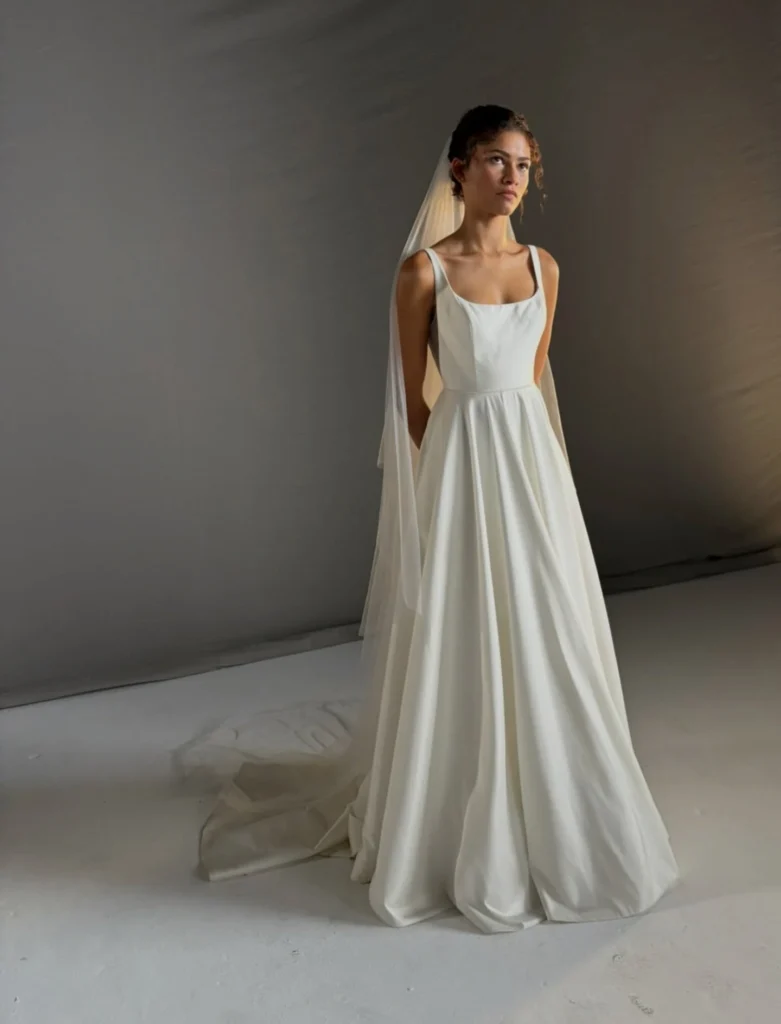
In psychology, the halo effect describes our tendency to allow a positive impression of one person to influence our judgments of other qualities associated with them. We admire someone’s beauty, charisma, or confidence, and that admiration can colour the way we perceive everything around them.
In fashion, the effect is particularly compelling.
A simple black dress, worn by a celebrity with effortless allure, may suddenly seem impossibly chic. An uncomplicated white shirt becomes a study in undone sensuality. A pair of heels transforms into an emblem of power, femininity, and self-assurance.
The garment has not necessarily changed. Our perception has.Because we are rarely looking at clothing in isolation. We are looking at the entire composition: the face, the body language, the styling, the setting, the reputation, the cultural significance of the person wearing it.
The confidence.
The attitude.
The suggestion of sensuality.
The promise of a life lived beneath brighter lights.
And, perhaps most importantly, the fantasy of becoming a little more like the woman in the photograph.
Fashion has always understood that desire is rarely confined to the material. We may purchase a dress, but what captures our imagination is often the feeling we believe it will deliver.
From Ordinary to Iconic
Imagine a black evening dress on a showroom rail. Its cut is elegant, its proportions impeccable. You appreciate the craftsmanship, run your eyes over the fabric, and continue walking.
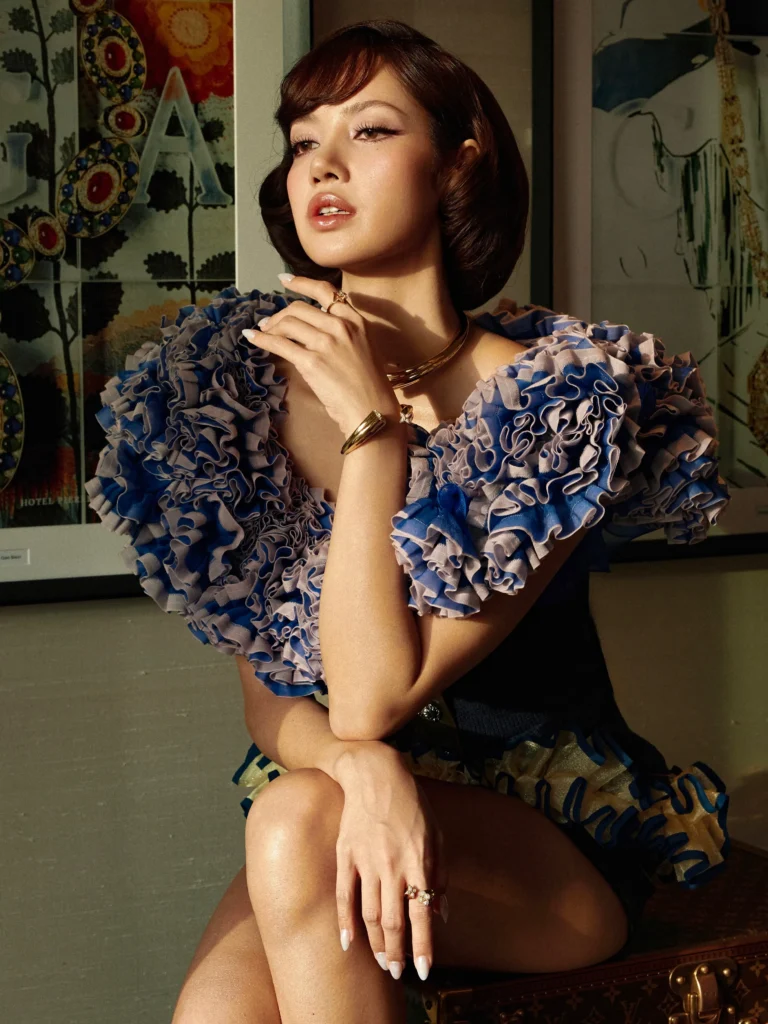
Now imagine the same dress on a celebrity stepping onto the red carpet.
The cameras are waiting. The flashbulbs erupt. She pauses, turns slightly, and allows the silhouette to speak. There is no visible effort to command the room, which is precisely what makes the moment so compelling.
By morning, the photographs are everywhere.
Who is she wearing?
Where can I find that dress?
How can something so simple look so extraordinary?
The conversation is no longer exclusively about construction, fabric, or cut. It is about presence. The dress has become inseparable from the woman who wore it, the occasion that elevated it, and the image that now lives in the public imagination.
This is how an outfit can move from beautiful to iconic.
Not through design alone, but through the story attached to it.
The celebrity provides the context. The cameras provide the spectacle. The audience supplies the desire.And the garment becomes the tangible object through which that desire can be expressed.
The fabric remains the same. The fantasy does not.
Why Sexy Confidence Sells
There is a particular kind of allure that cannot be stitched into a hemline.
It lives in the way someone occupies a room, the ease of a gesture, the unhurried confidence of a woman who appears entirely at home in her own skin.
Clothing can enhance that impression, but the relationship works both ways. The right silhouette may make someone feel more confident; confidence, in turn, can change how the silhouette is perceived.
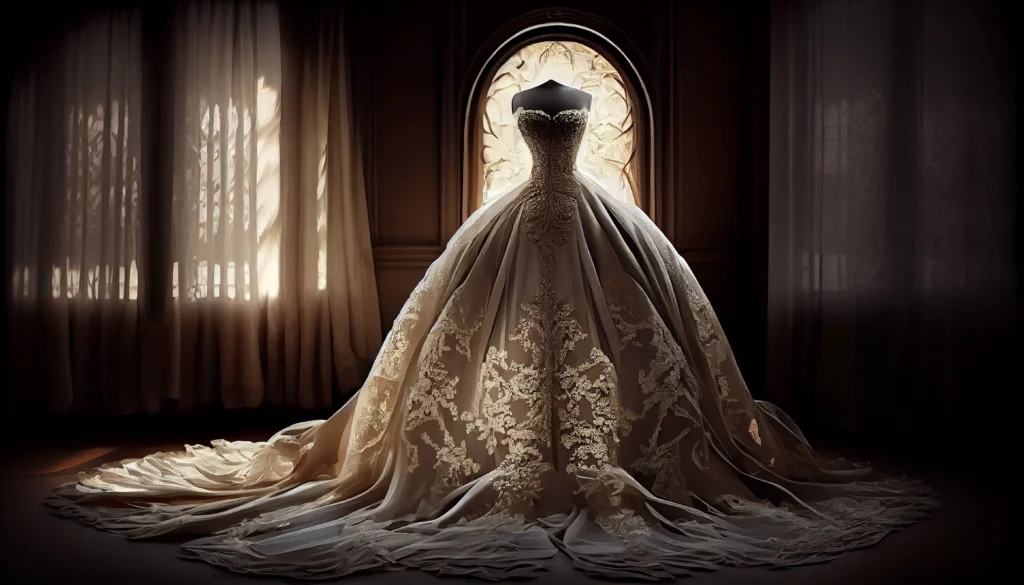
Consider the fitted dress. On its own, it is a matter of proportion and construction. Styled with intention and worn with conviction, it can become an expression of sensuality without a word
being spoken.
A heel becomes more than an accessory. A sharply tailored jacket suggests authority. A daring neckline communicates a certain fearlessness.
None of these meanings is inherent in the garment itself. They emerge through the interplay of clothing, culture, styling, and the person wearing it.
Celebrities are particularly adept at making this interplay visible. Their images are carefully constructed, their appearances widely circulated, and their personal styles often associated with qualities audiences admire or aspire to possess.
When we see a desirable person wearing an outfit, we may begin to associate the outfit with the qualities that make that person compelling.
We are not simply admiring the dress.
We are responding to what it appears to promise: confidence, recognition, sensuality, status, perhaps even a more captivating version of ourselves.
And that is where fashion becomes something more intimate than consumption.
It becomes aspiration, identity, and emotion, all dressed in silk.
The Invisible Luxury of Perception
Luxury is not always a question of price. Sometimes, it is a question of perception.
A garment’s value may begin with its craftsmanship, its materials, or the precision of its cut.
Yet its cultural value can expand dramatically when it is worn by the right person at the right moment. A familiar silhouette appears on a celebrated actress, and suddenly it is discussed as a fashion statement. A minimalist ensemble is photographed outside a couture show, and its apparent simplicity becomes the height of sophistication. An otherwise accessible piece acquires new significance because it has entered the orbit of someone admired.
This is not to say that celebrity attention automatically makes clothing better. Nor does every fashionable choice owe its appeal to the halo effect.
Design matters. Fit matters. Styling matters. Personal taste matters.
But perception is an additional force, one capable of amplifying the qualities we notice and the meanings we attach to what we see.
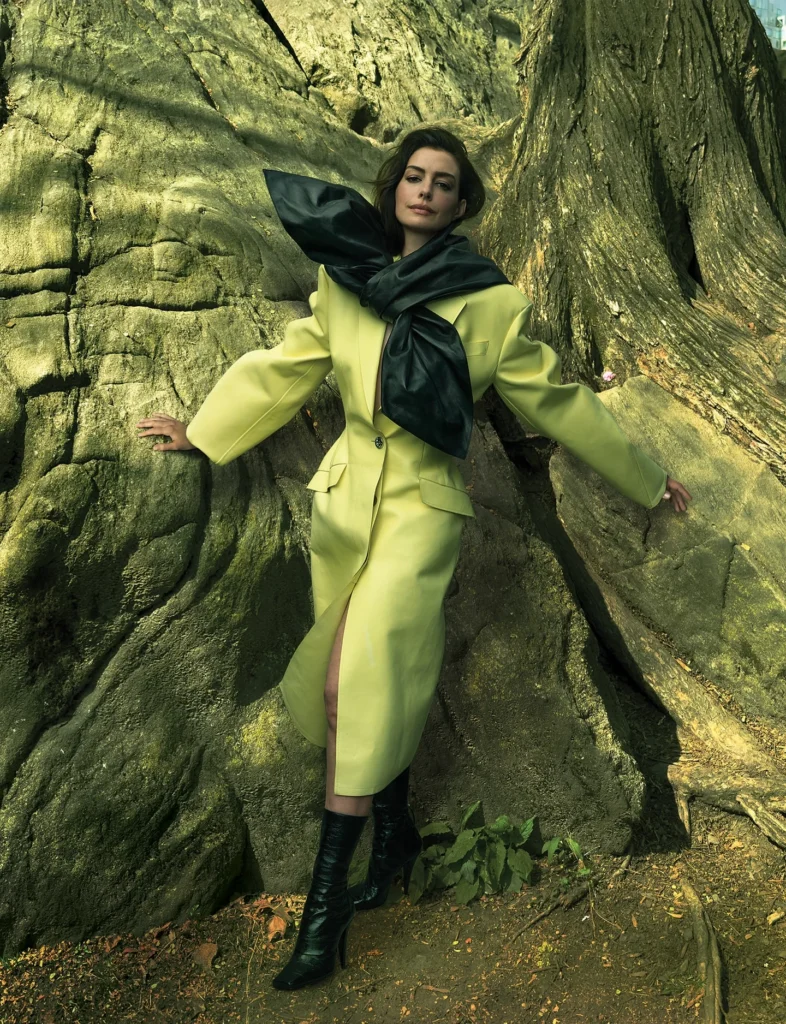
A celebrity’s beauty may influence our first impression. Their reputation may lend an outfit cultural relevance. Their confidence may make a familiar piece appear newly compelling.
The result is a subtle transformation: the ordinary begins to feel exceptional, and the desirable begins to feel indispensable.
In fashion, the aura surrounding a garment can become almost as influential as the garment itself.
Same Dress. Different Energy. Different Desire.
Picture a red dress.
On a hanger, it is a striking piece of clothing. You notice the colour, the cut, perhaps the promise of a dramatic evening.
Now picture it under the lights of a red-carpet premiere, worn by a woman whose every movement seems deliberate. The fabric catches the light. Her posture lends the silhouette authority. The setting gives the moment significance.
Suddenly, the dress feels bolder. More glamorous. More memorable.
Now imagine that same dress styled differently, worn in an ordinary setting, without the cameras or the spectacle. Its beauty may remain, but the associations surrounding it have changed.
The contrast reveals something essential about fashion: clothing does not communicate in a vacuum.
Its meaning is shaped by who wears it, how it is styled, where it appears, and what the observer brings to the experience.
The halo effect is one part of this equation. It helps explain why admiration for a person can spill over into admiration for their clothes, and why a celebrity’s appearance can make a familiar silhouette feel newly desirable.The dress is the starting point. The image is what gives it another life.
The Fantasy of Becoming
Perhaps the most intriguing part of celebrity fashion is not the desire to own what we see, but the desire to experience what we imagine it represents.
When a dress captivates us, we may picture ourselves wearing it: entering a room with greater confidence, attracting a little more attention, feeling more assured in our own bodies.
The garment becomes a vessel for possibility.
Of course, a dress cannot manufacture charisma, guarantee admiration, or transform a life overnight. Yet clothing can influence how we feel, how we present ourselves, and how we choose to be seen.
That emotional connection is part of fashion’s enduring appeal.
We dress not only for the mirror, but for the world beyond it. We select shapes, textures, and colours that express something about who we are, or who we might like to become.
Celebrity style intensifies this process by giving the fantasy a face.
We see the image. We respond to the person. We desire the look. And, somewhere in that sequence, we begin to imagine the feeling as our own.
The most compelling fashion moments do more than showcase a beautiful garment. They invite us into a story.
And we want to know what it would feel like to inhabit it.
Final Thought: Is It the Dress or the Desire?
A dress can catch the eye. A celebrity can hold a room. But when beauty, confidence, styling, and cultural status converge, an outfit can become something far more powerful than the sum of its parts.
It becomes an object of fascination.
That is the halo effect in fashion: the subtle influence of our admiration for a person on the way we perceive what they wear. It reminds us that attraction can shape judgment, that context can elevate design, and that desire is often born somewhere between what we see and what we imagine.
Perhaps the dress was beautiful all along.
Perhaps the celebrity simply gave us a new way to see it.Or perhaps what captivated us was never entirely the dress in the first place, but the confidence, glamour, and possibility we projected onto it.
Because fashion has always been about more than getting dressed.
It is about identity. About fantasy. About the delicate art of presentation, and the extraordinary power of an image to make us want what we see.
Sometimes, we don’t fall in love with the outfit. We fall in love with the woman wearing
it, the world she seems to inhabit, and the feeling we imagine the clothes might give
us.
And perhaps that is fashion’s most seductive illusion: the belief that, with the right dress, we might step into an entirely different light.