The Timeless Soul of Qawwali
An exclusive conversation with MAGNAV Asia Pacific
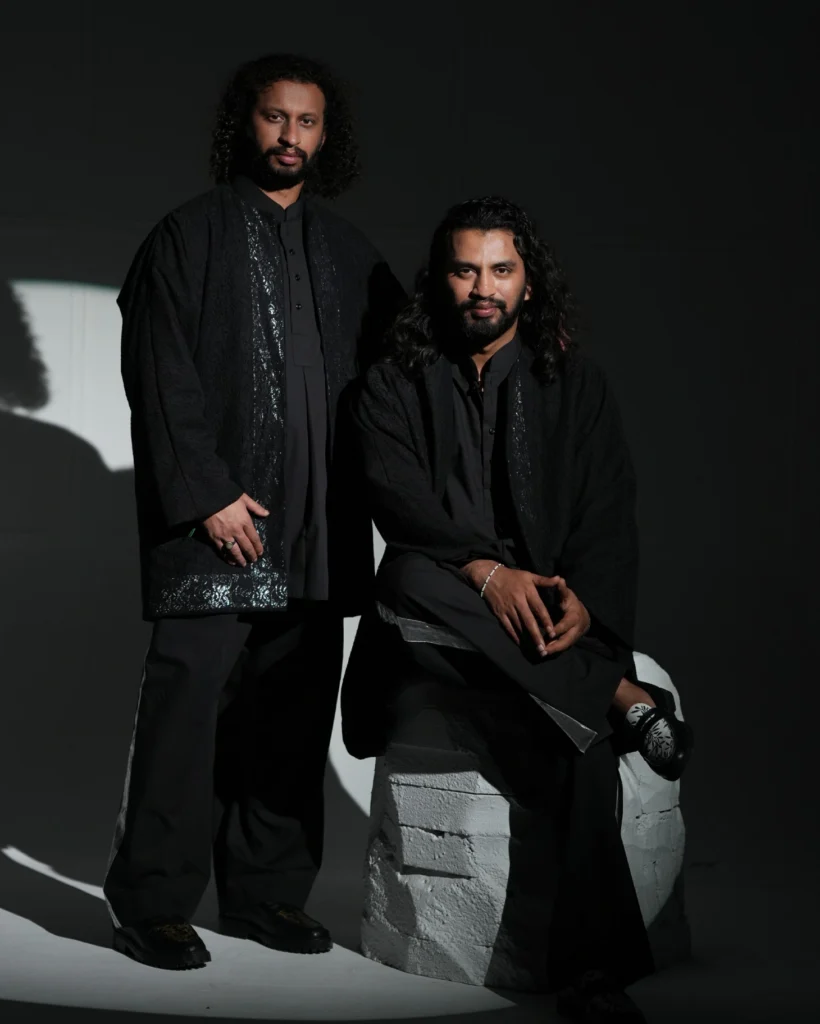
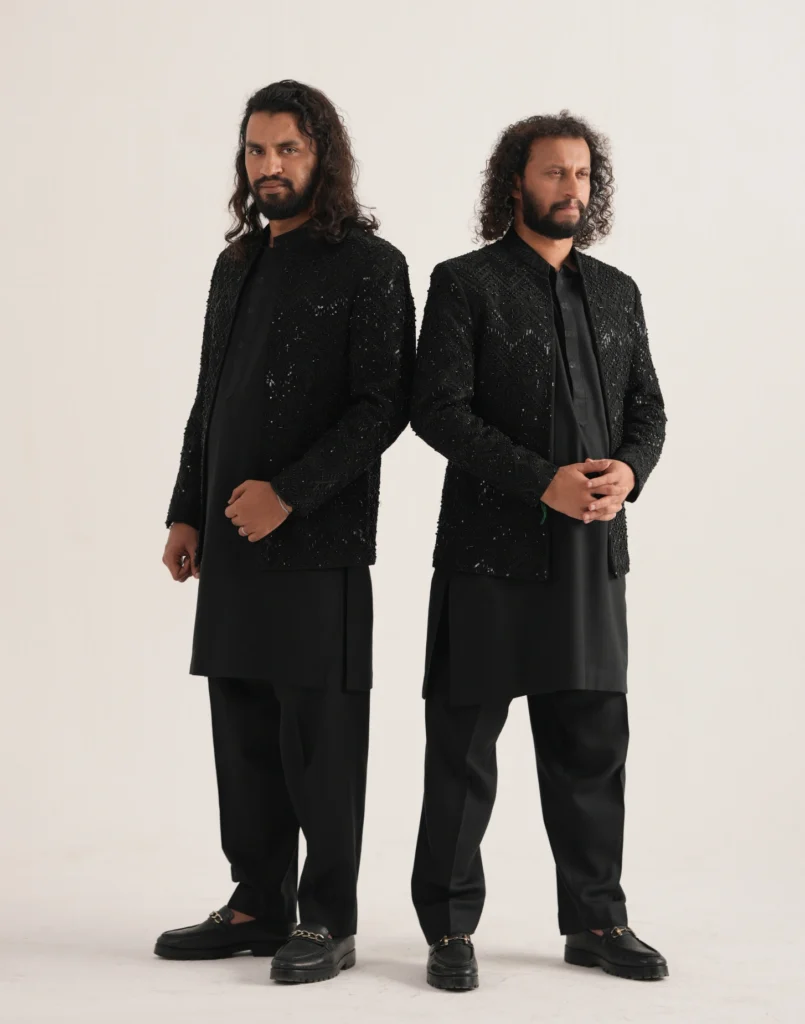
Some voices do more than sing. They awaken memories, stir emotions and create a connection that transcends language, culture and time. Zain and Zohaib, the contemporary qawwali duo, belong to a generation of artists carrying forward a profound musical inheritance while finding their own place within its evolving story. Rooted in the teachings of their grandfather, Ustad Haji Rehmat Ali Khan, and inspired by the spiritual depth of classical music, the brothers bring a distinctive sensitivity to a tradition that has touched hearts for generations. Their music reflects a meeting of heritage and individuality, where devotion remains at the centre and every melody becomes an invitation to feel something deeper. In this exclusive interview with MAGNAV Asia Pacific, Zain and Zohaib reflect on their musical beginnings, the legacy of legendary maestros, the responsibility of preserving qawwali and their aspirations for its future.
For Zain and Zohaib, music was never simply a career to pursue. It was an inheritance that began within the intimacy of their own home. Their grandfather, Ustad Haji Rehmat Ali Khan, introduced them to the foundations of classical music and qawwali, giving their artistic journey a deeply personal meaning. Learning from him connected their love of music with the affection and respect they held for the man who guided them. As they grew older, that early experience developed into an awareness of the responsibility they carried. Qawwali, they explain, holds within it poetry, faith and the accumulated wisdom of generations. Their devotion to the form comes from its extraordinary ability to communicate what ordinary conversation sometimes cannot. A single verse, delivered with sincerity, can give expression to emotions that someone may have carried silently for years.
Among the towering influences on their journey is Ustad Nusrat Fateh Ali Khan, whose contribution to qawwali continues to resonate across borders and generations. The connection is especially meaningful for the brothers because their grandfather accompanied the legendary maestro on the second harmonium. This relationship forms part of their family history as well as their musical education. Reflecting on Khan Sahib’s artistry, Zain and Zohaib admire not only his remarkable vocal command but also the complete emotional surrender with which he approached every phrase. For them, the lesson lies in allowing technique to serve meaning rather than becoming an end in itself. Recreating the vocal flourishes of a great artist is not enough to achieve genuine emotional depth. An artist must understand the words, absorb their significance and allow a personal voice to emerge naturally. They believe that the most meaningful tribute to the masters is to approach the music with discipline, sincerity and an unwavering respect for its foundations.

Carrying such a distinguished legacy inevitably brings expectations. Audiences have formed deep emotional attachments to the voices of the great qawwali masters, with their recordings becoming part of personal memories, family traditions and cultural identity. Zain and Zohaib recognise the importance of that connection and approach it with humility. Rather than measuring their journey against the achievements of those who came before them, they concentrate on improving the quality of their own contribution. Each performance offers an opportunity to refine a phrase, bring greater clarity to a word or learn the patience required to let a composition unfold. They understand that artistic identity develops gradually, through countless decisions and experiences. Their aspiration is to create music in which listeners can recognise the unmistakable spirit of traditional qawwali while discovering the honest expression of two musicians belonging to a new generation.
The dynamic between the brothers adds another dimension to their performances. Sharing a musical foundation allows them to communicate through a common understanding, yet their individual instincts bring movement and contrast to the music. They describe the experience of singing together as a conversation in which one voice introduces an emotion and the other discovers a different shade of meaning within it. The composition itself determines how that exchange develops. Certain passages demand strength and intensity, while others call for restraint, delicacy or silence. The aim is to serve the same emotional journey, even when their individual interpretations follow different paths. This collective sensitivity extends beyond the two singers to the musicians accompanying them. Qawwali depends on a shared awareness, where every performer must listen as carefully as they play or sing. Its energy emerges from this unity, transforming individual contributions into something greater than the sum of their parts.
At the heart of qawwali lies the poetry, or kalam, that gives the music its spiritual and emotional substance. For Zain and Zohaib, understanding the words is essential before attempting to communicate them to an audience. They approach each composition with attention to its meaning, emotional context and the reverence it deserves. Vocal expression becomes more powerful when it arises from a genuine understanding of what is being conveyed. Yet the brothers also recognise that their listeners may come from different cultural and linguistic backgrounds. Not everyone will immediately understand every word, but music can establish a connection before language does. The tenderness of a phrase, the urgency of a refrain or the stillness between two lines can draw a listener into the experience. From that initial emotional response, curiosity about the poetry and its meaning may naturally follow. Their hope is to make that journey welcoming, allowing every listener the freedom to discover a personal connection while preserving the integrity of the original message.
As digital platforms and international performances introduce qawwali to increasingly diverse audiences, the brothers see encouraging possibilities for the tradition. A short video can become the first point of discovery, inspiring someone to seek out a complete performance and experience the music in a live setting. Digital media has expanded access, but they believe the full depth of qawwali reveals itself when the music has room to breathe. They hope international listeners will look beyond the sound to discover the poetry, languages, musicians and cultural heritage that shape it. Representing Pakistan’s rich musical traditions is a responsibility they value deeply. For them, success is not limited to gaining new listeners. It is equally meaningful when someone who discovers their work becomes curious about the legendary artists who inspired them, explores the meaning of a verse or develops a deeper appreciation for the tradition itself.
Certain moments in an artist’s journey become lasting reminders of why the work matters. For Zain and Zohaib, their first UK tour remains especially significant, with their performance at Alexandra Palace holding a particularly personal place in their memories. Hearing the audience respond when their grandfather’s name was announced brought the significance of their family legacy into sharp focus. Away from home, they witnessed the affection and respect surrounding the man who had helped shape their musical lives. It was a reminder that their journey belongs not only to them but also to the people who taught, supported and inspired them. Other milestones have introduced their music to wider audiences. Their performance of “Haiderium” on Nescafé Basement offered an important opportunity to reach new listeners, while “Thagyan”, their collaboration with Quratulain Balouch on Coke Studio, opened another chapter in their evolving artistic journey. Each experience has broadened their understanding of what is possible while strengthening their awareness of the heritage they carry.
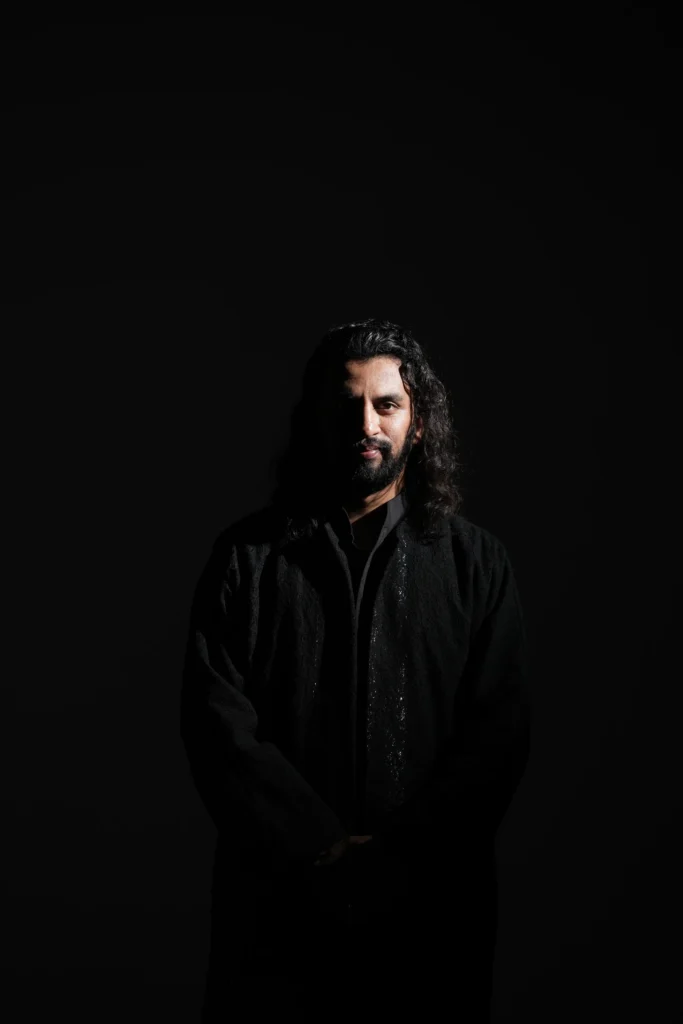
“Qawwali holds within it poetry, faith, and the accumulated wisdom of generations. A single verse, delivered with sincerity, can give expression to emotions that someone may have carried silently for years.”
In a musical landscape increasingly shaped by fleeting trends and the pursuit of immediate recognition, Zain and Zohaib remain committed to the slower, more demanding process of artistic growth. They appreciate the excitement that comes when a song reaches a wide audience, but they understand that the response to one release cannot replace the work required to prepare for the next. Central to their discipline is riyaaz, the daily practice through which a musician continues to refine the voice, strengthen technique and develop greater sensitivity. It demands honesty, patience and a willingness to recognise what still needs improvement. They also believe that creative ideas should be given sufficient time to mature before being presented to the world. Amid the noise of the modern music industry, they return to a simple question: will the music continue to hold meaning once the excitement surrounding its release has faded? For them, that enduring connection is a more valuable measure of success than momentary attention.
Their commitment to tradition does not prevent them from exploring new creative possibilities. Original compositions already form an important part of their journey, with “Haiderium” and “Thagyan” reflecting their interest in bringing their musical training into conversation with contemporary expression. They are drawn to collaborations that offer genuine creative exchange, whether through a contrasting vocal texture, an unfamiliar instrument or a different interpretation of poetry. The most exciting possibilities, they believe, emerge when two artists contribute something meaningful and discover a musical direction neither could have reached alone. At the same time, they remain conscious that traditional qawwali itself offers an immense field for exploration. Its emotional range, poetic richness and musical complexity continue to provide opportunities for discovery. Their ambition is to give both original work and traditional performance the attention, care and integrity they deserve, allowing innovation to develop from understanding rather than a desire to follow trends.
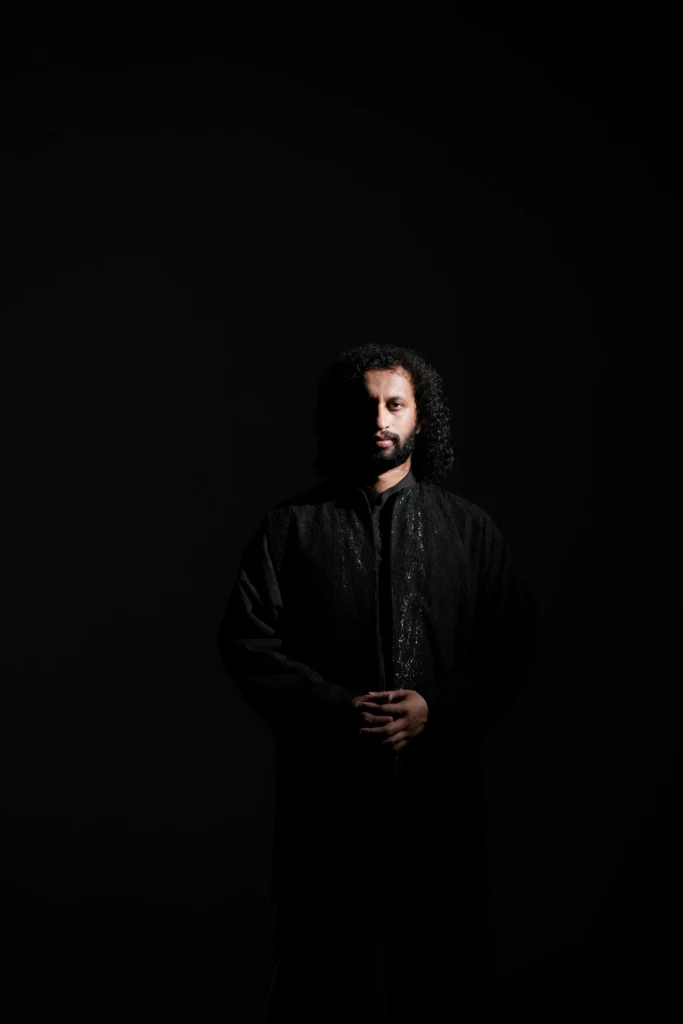
“Recreating the vocal flourishes of a great artist is not enough to achieve genuine emotional depth. An artist must understand the words, absorb their significance, and allow a personal voice to emerge naturally.”
Looking towards the future, Zain and Zohaib hope their music will remain a source of comfort, reflection and joy. Recognition is a blessing, but they place greater value on the possibility that a song might become part of someone’s life, accompanying them through a difficult moment or offering a sense of peace when words are insufficient. They want younger generations to feel that qawwali is accessible enough to discover and profound enough to study seriously. If their performances inspire a young listener to explore its poetry, learn an instrument or begin the discipline of musical training, they would consider that a meaningful contribution. They see themselves as recipients of a precious inheritance, entrusted with carrying forward something that extends far beyond their own careers.
For Zain and Zohaib, the future of qawwali is not a choice between preserving the past and embracing the present. It is an opportunity to allow a living tradition to continue speaking to new generations without losing the dignity, devotion and emotional honesty that define it. Their voices reflect the influence of those who came before them, yet their journey is shaped by their own experiences, interpretations and aspirations. Through every performance, they seek to honour the poetry, respect the musicians who share the stage with them and create a connection that reaches beyond geographical and cultural boundaries. In a world that often moves too quickly to listen, their music offers a reminder of the value of patience, sincerity and feeling. Their hope, expressed with humility and faith, is that the sound they carry forward will continue to reach further, touching hearts while keeping the spirit of qawwali alive.
MAGNAV Asia Pacific celebrates artists whose work connects heritage with contemporary expression. Through their devotion to music and their determination to honour the generations who shaped them, Zain and Zohaib represent a soulful chapter in the continuing story of qawwali, one in which tradition remains alive not simply because it is remembered, but because it continues to be felt.