
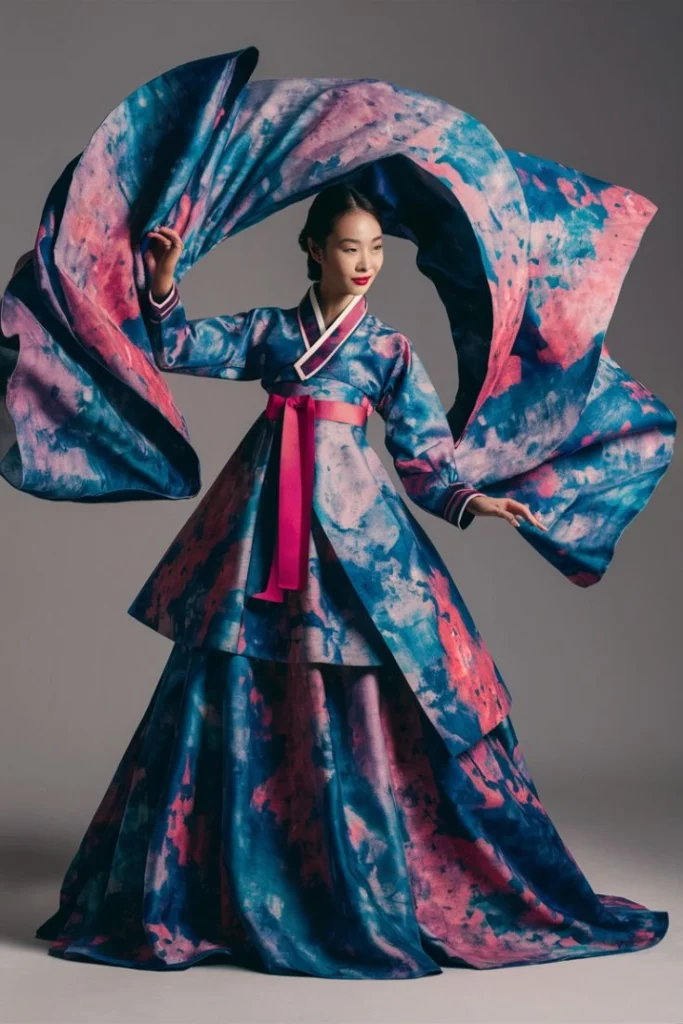
The era of the cultural footnote is over. For decades, the global fashion industry treated Asian heritage as a mood board, a reservoir of superficial motifs to be plucked, polished, and paraded down Western runways. Embroidery became decoration stripped of context, silhouettes became exoticised shapes emptied of meaning, and centuries of cultural knowledge were flattened into seasonal trends. But in 2026, the narrative has fundamentally inverted. Across the Asia Pacific, fashion is no longer borrowing from culture; it is rebuilding it from within. What was once peripheral has moved to the centre. We are witnessing the dawn of neo regionalism, a movement where identity is not a costume of the past but a blueprint for the future. This is a post global expression of style in which heritage is not merely referenced, it is interrogated, reengineered, and reimagined through the lens of futuristic tailoring, radical craftsmanship, and technological integration.
At the vanguard of this shift are designers who have abandoned the notion of tradition as a static relic frozen in time. Instead, they approach it as a living archive, rich with material intelligence and aesthetic codes that can be translated into contemporary design languages. Ancient textiles, regional dyeing techniques, and ceremonial garments are no longer preserved solely for nostalgia; they are treated as raw data for high tech evolution. We see the emergence of garments that marry the ancestral with the avant garde, where hand loomed silks from rural communities are fused with laser cut membranes, bio engineered fibers, and 3D printed structures. These pieces are not hybrids in a superficial sense; they are deeply considered systems of design that respect the integrity of both past and future.
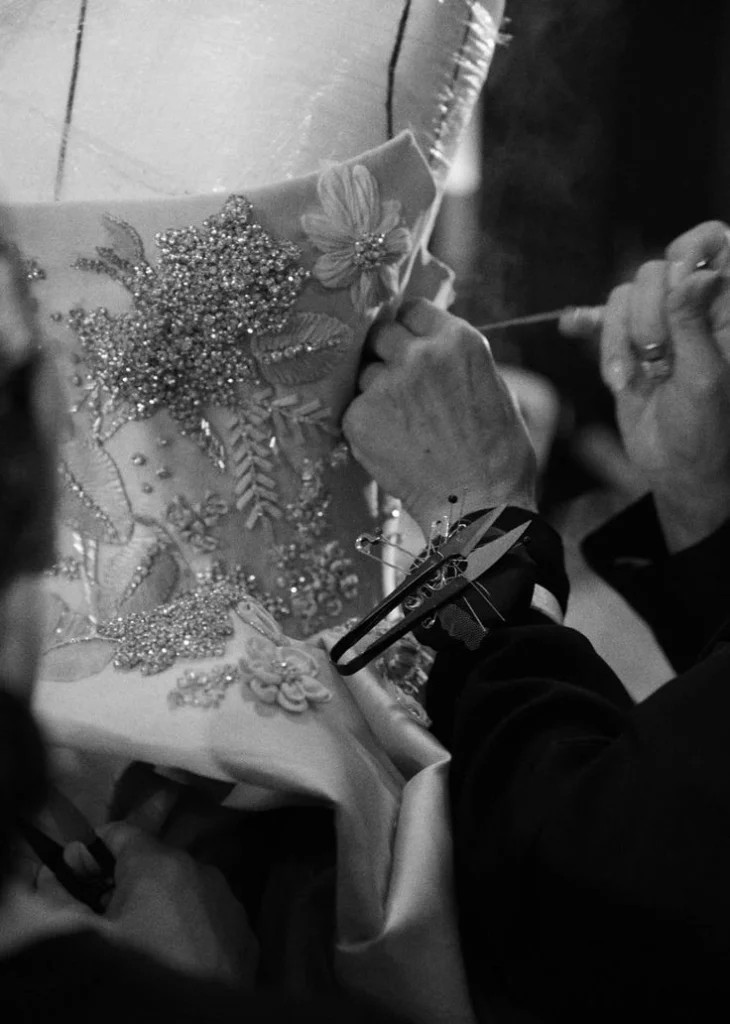
In this new paradigm, craftsmanship undergoes a radical revaluation. The artisan is no longer positioned as a quaint symbol of authenticity deployed for marketing purposes. Instead, the artisan becomes central to innovation itself. Handwork is not in opposition to technology; it is enhanced by it. Techniques passed down through generations are being augmented with digital precision, allowing for new forms of expression that neither tradition nor technology could achieve alone. This synthesis produces garments that carry both the irregular beauty of the human hand and the exacting clarity of machine production. The result is a new definition of luxury—one that is rooted not in exclusivity alone, but in cultural depth, material intelligence, and narrative richness.
A profound cultural exchange is also redrawing the internal map of Asian style, particularly through the creative dialogue between South Asia and East Asia. This is not a one directional influence but a multidimensional conversation that reflects shared histories of craft, colonisation, resistance, and reinvention. The fluidity of Indian draping traditions, with their emphasis on movement and adaptability, is intersecting with the structural precision of Japanese and Korean tailoring, which prioritises form, restraint, and architectural clarity. The result is a hybrid aesthetic that is at once disciplined and expressive, minimal yet richly layered.

This cross pollination extends beyond silhouette into surface and texture. Intricate Indian embroideries, dense with symbolic meaning and labour, are being reinterpreted through the quieter, more meditative frameworks of East Asian design philosophies. Conversely, the clean lines and modular construction associated with East Asian garments are being softened and expanded through the introduction of layered textiles and ornamental complexity. What emerges is not a simple fusion but a sophisticated blending of design ideologies—one that respects difference while discovering unexpected harmony. It is an exchange that prioritises mastery of fabric, sensitivity to the body, and an evolving understanding of identity that is both local and interconnected.
Streetwear, once the emblem of global uniformity, has undergone one of the most visible transformations within this movement. For years, it functioned as a homogenising force, spreading a largely Western coded aesthetic of oversized hoodies, graphic logos, and mass produced sneakers across urban centres worldwide. Today, that uniformity is being dismantled. In its place, a new form of heritage core styling has emerged—one that reclaims streetwear as a site of cultural expression rather than cultural erasure.

Young consumers across Asia Pacific are redefining what it means to dress casually and contemporarily. Reworked saris are styled with utilitarian elements, modernised hanbok silhouettes are adapted for daily mobility, and kimono inspired outerwear is reconstructed with technical fabrics and performance features. These garments are not nostalgic costumes; they are functional, forward thinking pieces designed for navigating contemporary urban life. They act as a kind of modern armour, embedding ancestral knowledge into the rhythms of the present.
This transformation is also deeply political. It represents a refusal to participate in the blandness of international fast fashion, which prioritises speed and scale over meaning and specificity. By integrating traditional closures, wrap constructions, and symbolic motifs into everyday wear, this generation asserts that modernity does not require the abandonment of heritage. On the contrary, it suggests that true modernity is achieved through a conscious engagement with one’s cultural roots. Clothing becomes a medium of resistance, a way to assert identity in a global system that often seeks to flatten it.
Equally significant is the shifting balance of power within the global luxury market. For much of the twentieth and early twenty first centuries, Western fashion houses dominated the definition of prestige, dictating trends and controlling narratives of taste and value. That dominance is now being challenged by a new generation of domestic fashion houses across Asia Pacific. These brands are not merely competing on aesthetics; they are redefining what luxury itself means.
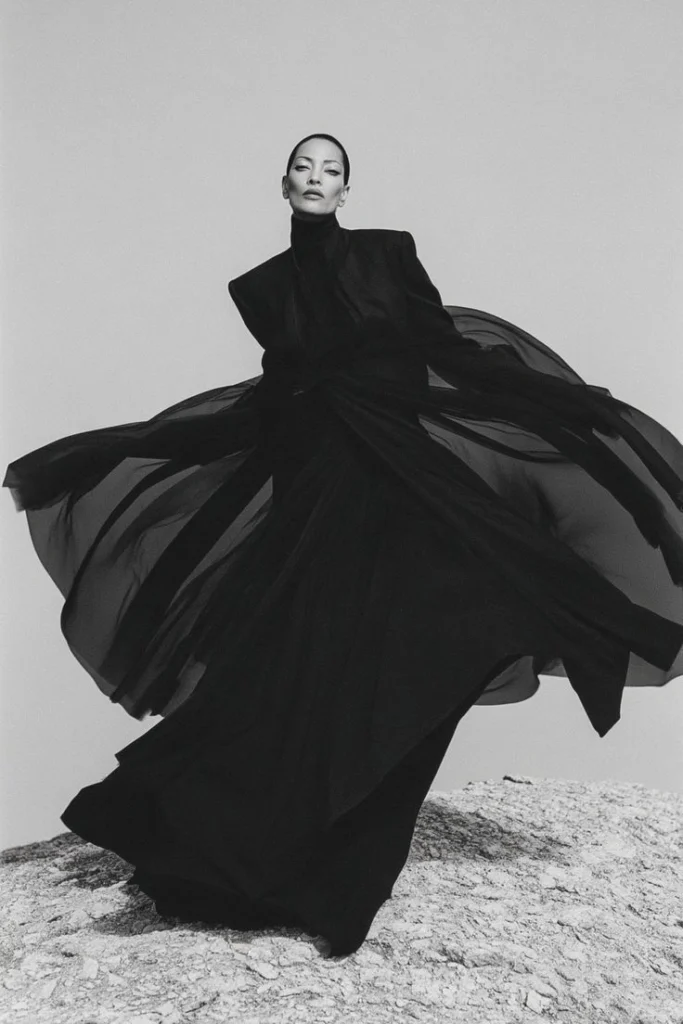
Home grown fashion houses possess an inherent advantage: an intimate understanding of local culture, history, and psychology. They do not need to approximate or interpret from a distance; they create from lived experience. This allows them to craft narratives that resonate on a deeper level with their audiences. Their collections are not abstract exercises in style but layered stories that draw on regional histories, social shifts, and personal memory. They offer a version of luxury that feels grounded, personal, and emotionally resonant.
Moreover, these brands are leveraging technology and digital platforms in ways that bypass traditional gatekeepers. They are building direct relationships with consumers, creating ecosystems that blend fashion with storytelling, community building, and cultural education. In doing so, they are reshaping the infrastructure of the industry itself. Prestige is no longer determined solely by legacy or geographic origin; it is increasingly defined by authenticity, innovation, and the ability to articulate a compelling point of view.
This rise of domestic powerhouses also signals a broader shift in cultural confidence. Designers and consumers alike are no longer seeking validation from Western institutions. Instead, they are setting their own standards, celebrating their own histories, and defining their own futures. This shift is not about rejection for its own sake but about recalibration—about recognising that value and creativity are not confined to any single region.
At its core, the neo regional movement represents a profound maturation of Asian fashion. It rejects the false binary that has long framed discussions of style: the idea that one must choose between being modern and being traditional, between looking forward and looking back. Instead, it proposes a more complex and nuanced understanding of innovation—one that emerges precisely at the intersection of past and future.
In this framework, heritage is not a constraint but a resource. It provides a foundation upon which new ideas can be built, a set of tools and references that can be adapted, challenged, and transformed. At the same time, technology and contemporary design thinking offer new possibilities for expression, enabling designers to push beyond the limitations of tradition without discarding it.
As Asia Pacific continues to define its own aesthetic terms, the implications extend far beyond the region itself. The global fashion landscape is being reshaped, not through imitation or assimilation, but through the assertion of distinct identities and perspectives. What emerges is a more pluralistic vision of style, one that accommodates multiple narratives rather than imposing a single dominant one.
Fashion, in this context, becomes more than an industry. It becomes a primary vehicle for identity, a way for individuals and communities to articulate who they are and who they aspire to be. It allows for a simultaneous engagement with history and possibility, grounding the present in a deeper sense of continuity while opening pathways դեպի the future.
In the studios of Mumbai, the ateliers of Tokyo, the workshops of Hanoi, and countless other creative spaces across the region, this transformation is unfolding in real time. Designers are experimenting, artisans are innovating, and consumers are participating in a collective reimagining of what it means to be well dressed. Each garment becomes a site of negotiation between memory and invention, between locality and globality, between tradition and transformation.
The result is not a singular aesthetic but a dynamic and evolving landscape—one defined by courage, complexity, and cultural self awareness. The era of passive reference has ended. In its place stands a new paradigm of active creation, where fashion is not about borrowing from culture but about building it, sustaining it, and propelling it forward.
Thread by thread, silhouette by silhouette, story by story, the future of the global wardrobe is being stitched together—not in the image of a homogenised world, but in the rich, diverse, and unapologetically specific identities of those who wear it.