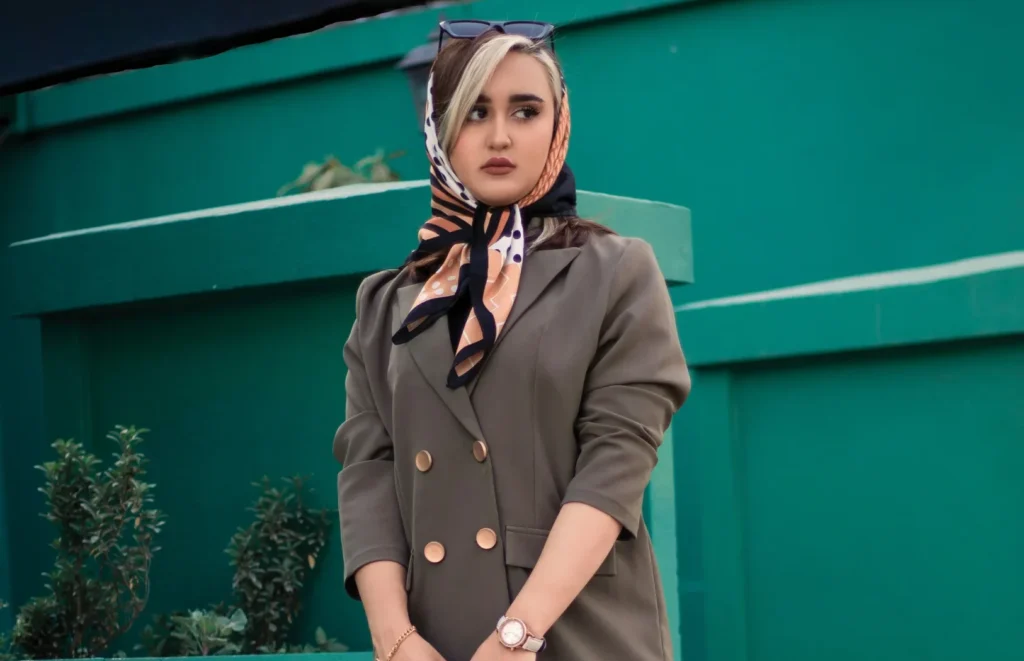

There is a particular kind of global recognition that transcends fame. It is the moment when a name begins to represent something larger than the individual behind it. Lalisa Manobal has reached that rare territory. Known to the world simply as LISA, the Thai born artist has evolved from one of the defining faces of BLACKPINK into a global cultural force whose influence stretches across music, fashion, film, luxury and the increasingly powerful creative landscape of Asia.
Her story begins far from the extravagant stages of Seoul, Los Angeles or Paris. Born in Thailand and raised with a deep connection to her homeland, LISA eventually moved to South Korea after becoming the only successful candidate from Thailand in a highly competitive international audition for YG Entertainment. What followed was years of intense training before her debut with BLACKPINK in 2016. The group would go on to become one of the most influential musical acts of its generation, changing perceptions of what Asian artists could achieve on the world stage.
But LISA’s appeal has always extended beyond the music itself. There is a precision to her presence, an instinctive understanding of movement, image and performance that has allowed her to exist comfortably in worlds that once seemed separate. She can command a stadium with the same confidence with which she can inhabit a fashion campaign, an editorial cover or a cinematic role. Her ability to move between these spaces has made her one of the most recognisable Asian personalities of her generation.

In 2025, that evolution entered a defining new chapter with the release of her debut studio album, Alter Ego. Rather than attempting to reproduce the formula that made her famous, LISA used the project to explore the possibilities of her identity as a solo artist. The album brought together an extraordinary international collection of collaborators, including Rosalía, Doja Cat, RAYE, Tyla, Future and Megan Thee Stallion, reflecting the increasingly borderless nature of contemporary music.
Alter Ego was more than a successful solo debut. It represented a statement of independence. LISA was no longer simply one part of BLACKPINK’s extraordinary collective identity. She was building a world of her own, one in which her influences could move freely between Asia and the West, between pop and fashion, between performance and personality.
That expansion has continued into acting. Her appearance in the third season of HBO’s The White Lotus introduced LISA to another enormous international audience and placed her within a television series celebrated for its exploration of wealth, identity, tourism and cultural perception. The Thailand setting made the role particularly significant. At a time when LISA’s career was becoming increasingly international, she was appearing on one of the world’s most watched prestige television productions while remaining connected to the culture and country from which her own story began.
Her ambitions now extend further into cinema. LISA is moving into feature filmmaking with TYGO, a Korean action thriller connected to the wider Extraction universe, while she is also attached to a Netflix romantic comedy inspired by the beloved film Notting Hill. The move represents another evolution in her career, suggesting that her future will not be defined by music alone.
Yet perhaps the most meaningful development in LISA’s current chapter is not taking place in Hollywood or on a global stage. It is happening in Thailand.
In 2026, LISA became closely associated with the Amazing Thailand tourism campaign, bringing her extraordinary international reach into a celebration of her homeland. For millions of people who know her primarily through music, fashion and social media, LISA has become a contemporary introduction to Thailand itself. Her presence creates a bridge between global popular culture and the country’s landscapes, traditions, hospitality and modern identity.
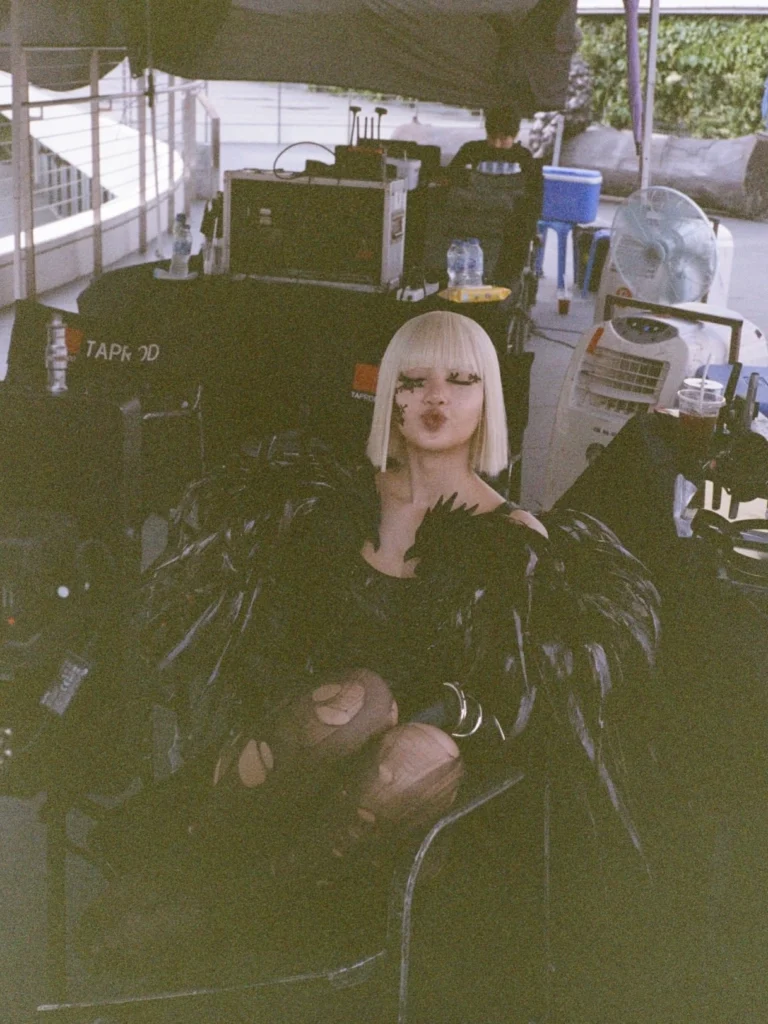
That relationship between celebrity and cultural representation becomes even more striking with her latest music. In September 2026, LISA released SaWaDiKa, the opening single from her forthcoming EP Press Play. The title draws directly from the familiar Thai greeting “sawatdee ka”, while the accompanying music video was filmed in Bangkok.
The symbolism is difficult to miss. After years of becoming globally recognisable through the highly polished visual language of K pop, LISA is increasingly allowing her own cultural vocabulary to take centre stage. Bangkok is no longer simply the city where she was born into her national story. It becomes part of her artistic landscape. Thai language is no longer simply a detail in her biography. It becomes part of the music itself.
This may be one of the most significant aspects of LISA’s cultural influence.
Globalisation has often created pressure for international artists to become universally understandable, sometimes at the expense of the cultural details that make them unique. LISA appears to be moving in the opposite direction. The larger her international platform becomes, the more visible her Thai identity seems to be.
It is an important distinction. She is not presenting Thailand as a nostalgic memory or as an exotic accessory to international fame. Instead, she is placing contemporary Thai identity inside the vocabulary of global entertainment. Her Thailand is modern, stylish, ambitious and internationally connected. It is a place that can exist naturally alongside Seoul, Paris, London, Los Angeles and New York.
That makes LISA particularly relevant to the Asia Pacific region.
Across the region, a new generation of creative talent is challenging the old hierarchy of global culture. Audiences are no longer looking exclusively towards Europe or North America for fashion, entertainment and cultural influence. Seoul, Bangkok, Tokyo, Singapore, Manila, Mumbai, Jakarta and other Asian creative centres are increasingly shaping the global conversation.

LISA sits at the intersection of this transformation.
Her career demonstrates that Asian identity can be international without becoming diluted. She represents a generation that does not necessarily see cultural borders as limitations. Instead, those borders can become sources of creative strength.
Her influence on fashion reflects the same philosophy. LISA has become a powerful figure within the luxury ecosystem, appearing at major fashion events and working with some of the world’s most prestigious brands. Yet her fashion presence is not simply about wearing luxury. It is about the way contemporary Asian celebrities are increasingly shaping the visual language of luxury itself.
The old relationship between fashion houses and celebrities was largely one directional. Today, it is more collaborative. Global stars influence the way brands communicate, while brands become part of an artist’s cultural identity. LISA has mastered this intersection, creating a visual persona that can move effortlessly between streetwear, haute couture, beauty and performance.
Her latest chapter is also being documented through Always Lalisa, her first feature documentary, which is set to premiere at the Toronto International Film Festival in September 2026. The documentary looks at the period surrounding Alter Ego, her transition into acting and her evolution beyond BLACKPINK. Its timing feels almost perfectly aligned with the current moment in her career. LISA is not simply adding new achievements to an established résumé. She is redefining what her name represents.
That redefinition will continue in November, when she is scheduled to bring her Viva La Lisa residency to The Colosseum at Caesars Palace in Las Vegas. The performances mark another significant moment for an Asian pop artist entering one of the world’s most famous entertainment destinations.
And yet, for all the numbers, sold out arenas, luxury campaigns and international opportunities, the most compelling element of Lalisa Manobal’s story remains remarkably personal.
She has travelled across countries and industries without abandoning the place from which she began.
Perhaps that is why LISA’s influence feels different. Her story is not simply about becoming famous beyond Asia. It is about demonstrating that an artist can carry Asia with her while moving through the world.

For MAGNAV Asia Pacific, that distinction matters. The region is no longer waiting for permission to participate in global culture. It is increasingly creating the culture that the world wants to experience.
Lalisa Manobal embodies that shift with extraordinary clarity.
She is Thai, formed by the discipline and creative machinery of South Korea, embraced by audiences across the Asia Pacific and celebrated on stages around the world. She belongs to several cultural conversations without being defined entirely by any one of them.
As she enters her next era through new music, cinema, fashion and live performance, LISA’s greatest achievement may ultimately prove to be something more enduring than a chart position or a sold out show. She has helped make cultural specificity aspirational on a global scale.
The world knows her name.
Now, increasingly, the world is listening to the culture behind it.