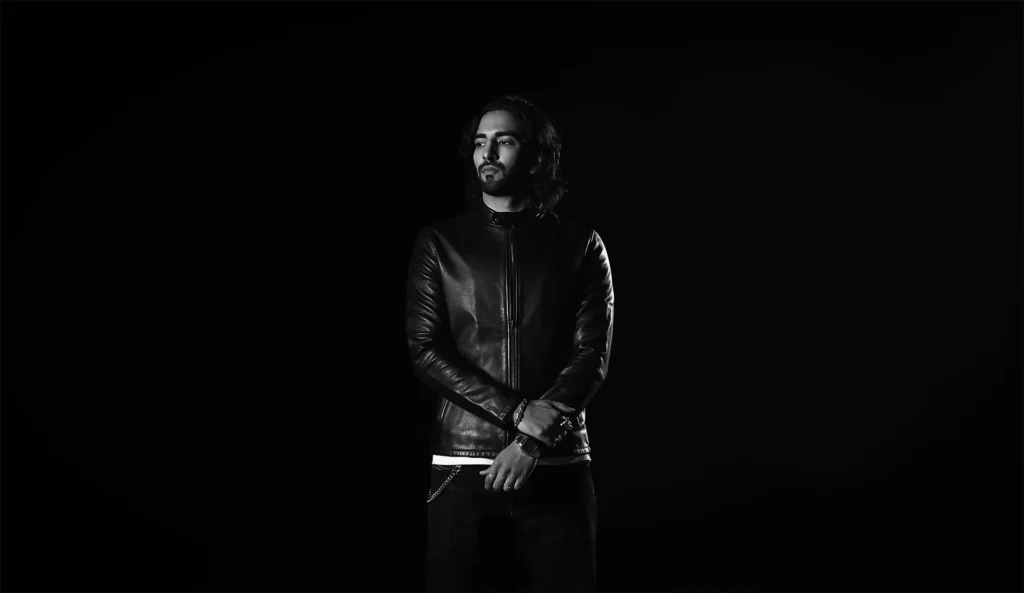
For Vilen, music was never an escape from reality. It was a way of confronting it. In a cultural moment where artists are increasingly expected to package themselves, anticipate audience reactions and remain constantly visible, he has built his identity around something considerably less predictable: creating without allowing the expectations of others to become the centre of his artistic world. His songs may speak about loneliness, betrayal, heartbreak, anxiety and the darker corners of the human experience, but beneath them lies something more hopeful. Vilen is less interested in documenting pain than in understanding what we do with it.
His decision to pursue music, he says, was not some reckless leap into the unknown. It was, in fact, a rational one. There was a story inside him that he wanted to share with the world, and music seemed like the most natural language through which to tell it. That distinction is important to understanding his work. Vilen does not approach songwriting simply as a means of expressing whatever happens to be happening in his own life. Instead, he uses personal emotion as raw material, transforming real feelings into stories that can belong to anyone. The experiences within his songs may sometimes be imagined, but the emotions are not. Loneliness, betrayal, heartbreak and humiliation are universal territories, and his ability to inhabit those emotions allows listeners to recognise something of themselves in his music.
That emotional honesty became particularly powerful through Ek Raat, a song that reached people not merely because it articulated sadness, but because it offered a way beyond it. The song emerged from Vilen’s own experience with depression and from his desire to communicate that difficult periods do not have to define the rest of a person’s life. What made the message resonate was its refusal to remain trapped in despair. Betrayal and humiliation can leave lasting marks, particularly when the person responsible appears indifferent to the damage they have caused, but Vilen’s perspective is ultimately about reclaiming ownership. There comes a point when the question is no longer what someone else did to you, but what you choose to do with what happened.
That philosophy gives his music an unusual emotional maturity. His songs may begin in darkness, but they do not necessarily remain there. There is an underlying belief that while people cannot always control what happens to them, they can eventually decide how much power those experiences will continue to have over them. It is a message that feels particularly relevant to a generation living through an increasingly public and emotionally demanding digital culture, where comparison, rejection and judgement can arrive instantly and from complete strangers.
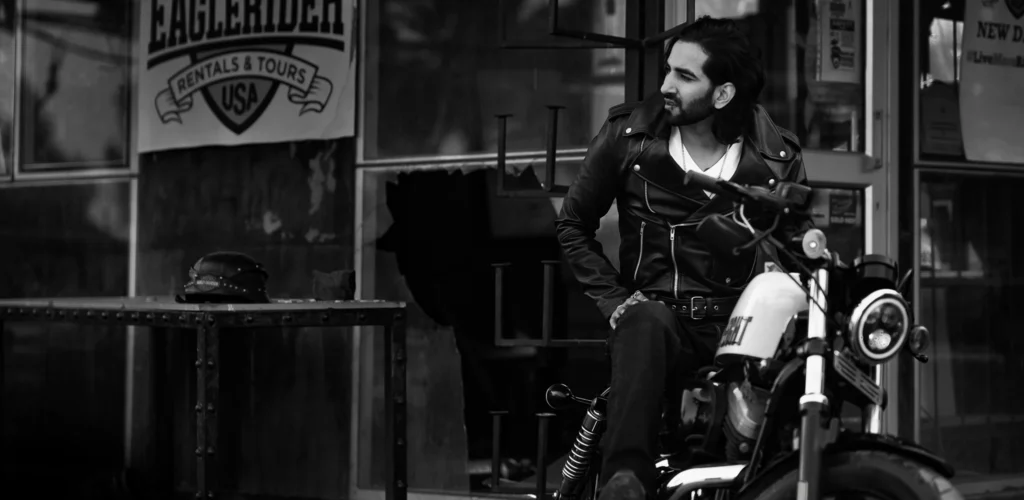
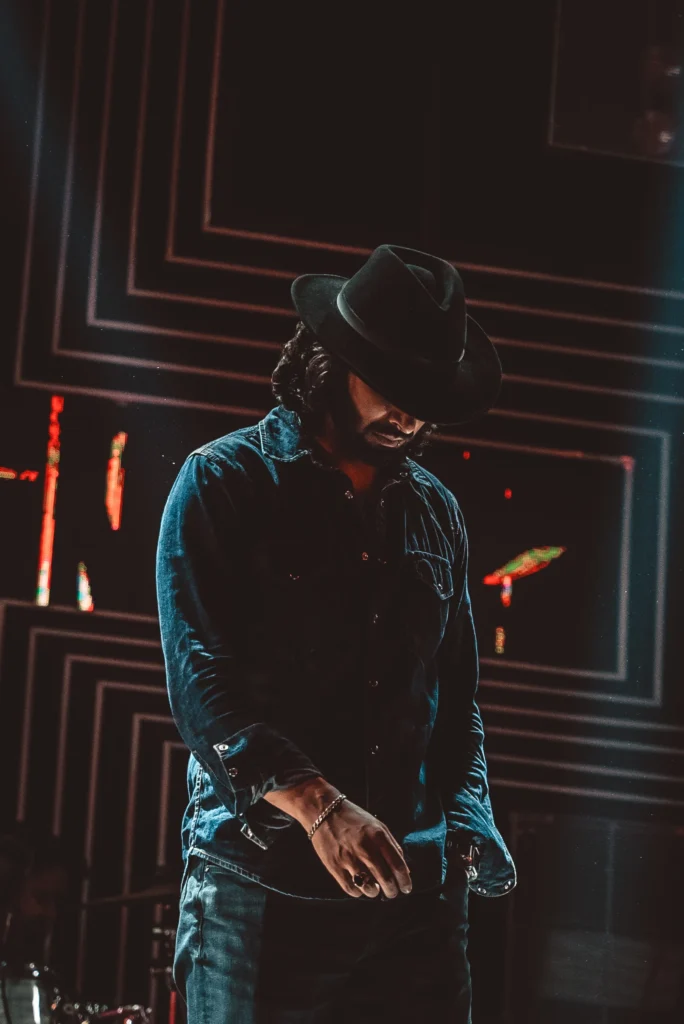
Vilen’s understanding of music is also deeply connected to storytelling. For him, that is where his greatest strength lies. He is drawn to constructing a world around a song, thinking carefully about how a story should be imagined, presented and ultimately experienced. His visual instinct is therefore not an accessory to the music but part of its architecture. Yet interestingly, he does not subscribe to the increasingly elaborate mythology surrounding the modern artist. Fashion, styling and carefully manufactured aesthetics are not central to his creative process. He is perfectly comfortable wearing the same clothes in his music as he does in everyday life. There is something almost refreshing about that simplicity. At a time when image can sometimes overshadow substance, Vilen appears more interested in what the work communicates than in what he is wearing while communicating it.
That independence extends to his relationship with his audience. He is aware that listeners often have expectations, and he is equally aware that some of his older songs are precisely the kind of work people would happily ask him to recreate. But he refuses to allow demand to become direction. If he simply followed what audiences wanted, he suggests, he would still be making variations of Ek Raat. For him, that would defeat the purpose of being an artist. The responsibility of an artist is to make the best work they can, not to continually calculate how that work might perform.
It is an increasingly unusual position in an industry built around metrics. Streams, views, comments, shares and short-form video performance can make creativity feel like a constantly monitored experiment. Yet Vilen seems to understand that numbers can tell you what happened without necessarily telling you why it mattered. Once a song has been released, he prefers to let it leave him. He does not want his ego attached to every interpretation, every response or every measure of success. The audience can take the song and make it theirs, attaching memories, relationships and personal experiences to words that originally came from somewhere else.
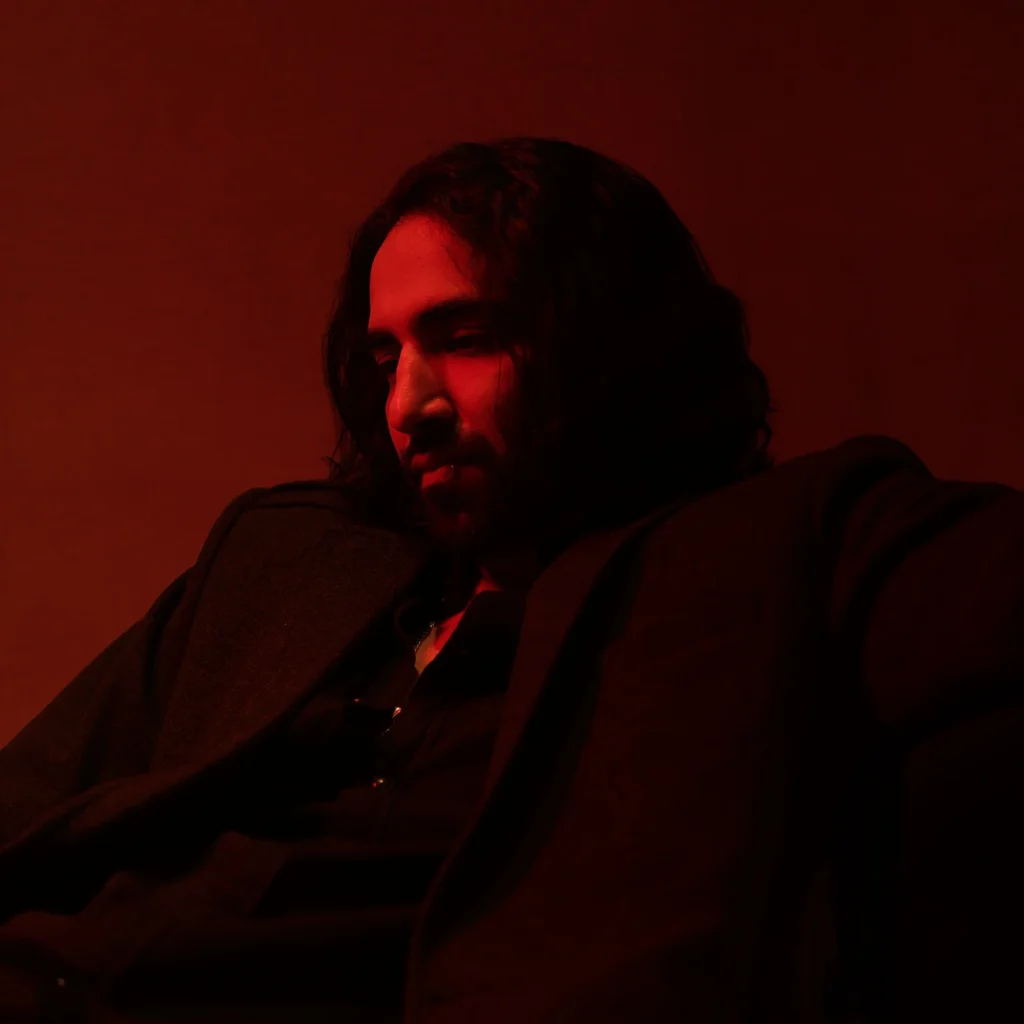
That philosophy is particularly evident in Breathe, a song created with Ravator and conceived with a very specific intention. Rather than presenting music as a cure for anxiety or panic, Vilen wanted to create something people could turn towards in difficult moments. The significance lies in the small act of choosing to listen. When someone recognises that they are anxious and deliberately reaches for a song that might help them feel better, they have already taken a step towards themselves. The music becomes part of that moment of intention. It does not promise to solve everything. It simply offers a place to begin.
Perhaps that is why Vilen is resistant to being defined by his more melancholic material. One of the misconceptions surrounding him is that he must be a deeply sad or depressed person because he has spoken openly about depression and has created music around difficult emotions. Yet the artist behind those songs does not seem particularly interested in correcting the public’s assumptions. He believes perception belongs to the person doing the perceiving. Trying constantly to control how others see you, he suggests, would be an exhausting way to live.
That attitude also explains his unconventional approach to the future. Vilen does not appear particularly interested in turning creativity into a rigid five-year plan. He follows the impulse to write when something moves him and is equally comfortable stepping away when nothing does. There are periods when songs arrive quickly and others when there is silence. Rather than interpreting that silence as failure, he accepts it as part of the process. Art, for him, cannot always be forced into a calendar.
His perspective arrives at an interesting moment for the music industry. The digital revolution has dramatically reduced the barriers between an artist and an audience. A musician no longer necessarily needs a major label, an expensive studio or a huge production budget to put a song into the world. A phone, a recording setup and an internet connection can be enough to begin. The result is an extraordinary democratisation of creativity. More people can make music, more people can discover it and more unexpected voices can emerge.
But that freedom has also made discovery unpredictable. The old relationship between investment and outcome has become increasingly difficult to calculate. A significant marketing budget does not guarantee a hit, while an independently released song can suddenly find millions of listeners through an unexpected cultural moment. Reels and short-form content have become powerful discovery mechanisms, creating a constant stream of sounds competing for attention. Vilen sees this transformation with curiosity rather than fear. He believes the industry may eventually move towards another shift, one in which listeners rediscover music itself rather than simply encountering fragments of songs through social media.
That possibility matters because Vilen’s work has always been built around the complete emotional experience of a song. His interest is not simply in creating a moment that can be clipped, shared or repeated. He wants to create something that can stay with a listener after the screen has gone dark.
There is, ultimately, a quiet contradiction at the heart of Vilen’s philosophy. He cares deeply about what he creates, perhaps obsessively at times, yet once he releases it, he deliberately tries to let go of ownership. He puts thought, emotion and effort into making each song as useful and meaningful as possible, but he does not need to claim responsibility for what the song eventually becomes in somebody else’s life. A song might remind one listener of a relationship, another of a difficult period and another of the moment they finally decided to move forward. Those meanings are no longer his to control.

And perhaps that is the most revealing thing about Vilen as an artist. His music begins with ownership of emotion but ends with surrender. He takes feelings that are deeply human, gives them narrative, sound and visual form, and then releases them into a world where they can become something else entirely. In an industry increasingly obsessed with control, prediction and performance, there is something quietly radical about an artist who still believes that the work should be allowed to breathe on its own.
Vilen does not seem interested in telling people exactly how they should feel. He is more interested in giving them a language with which to understand what they already feel. That may be the enduring strength of his music. The stories may not always be literally his, but the emotions are honest, the questions are personal and the invitation is universal: experience the song, find yourself somewhere inside it, and then make it your own.