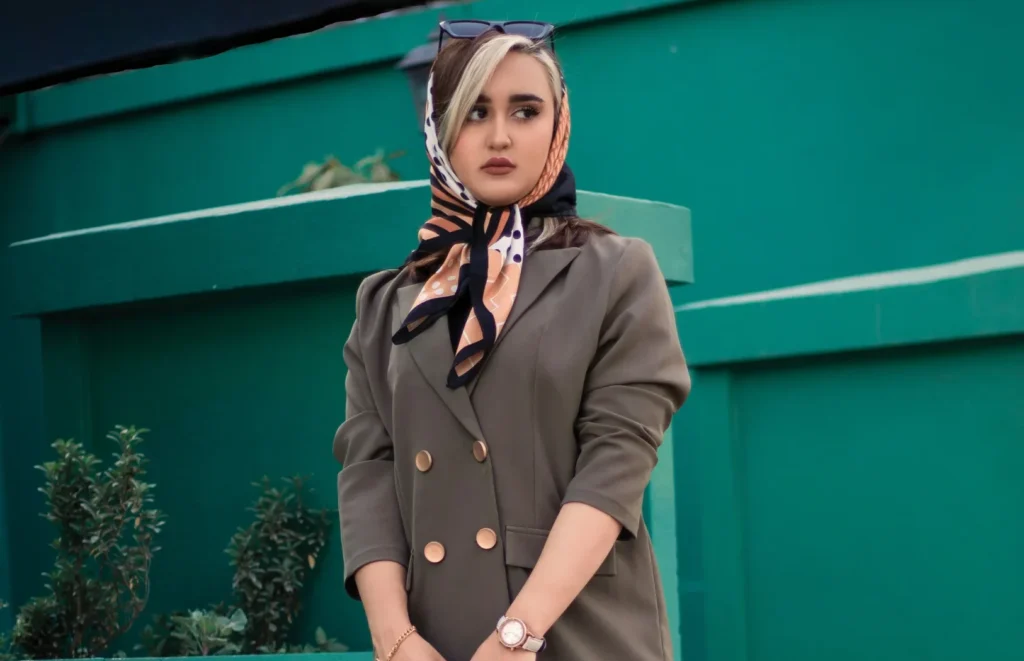
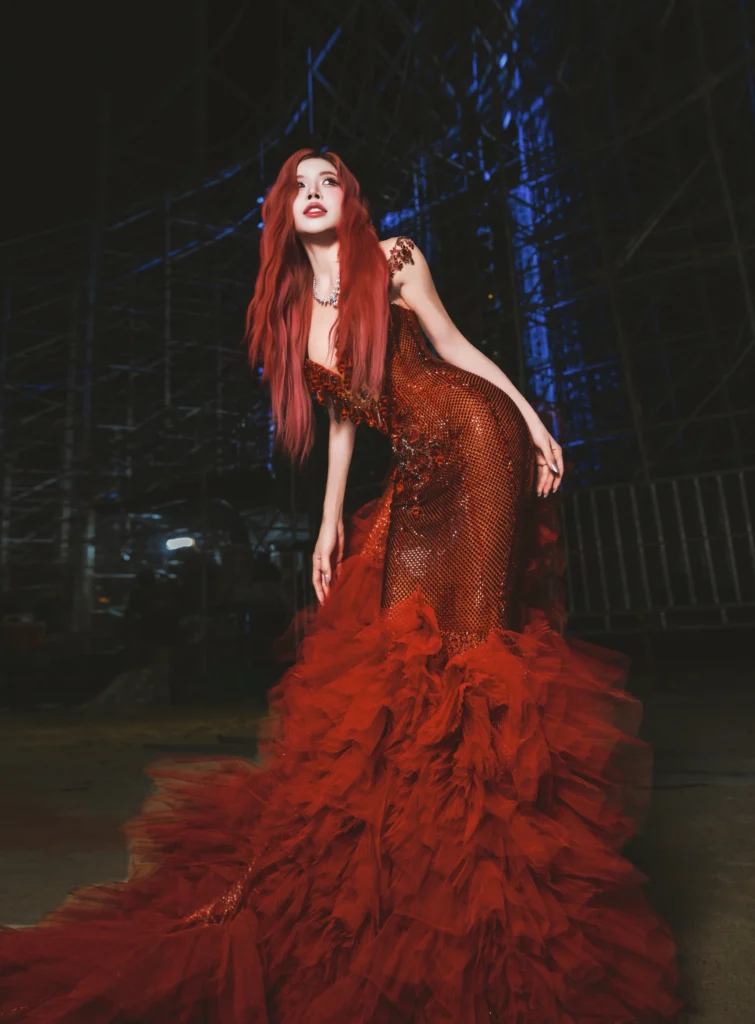
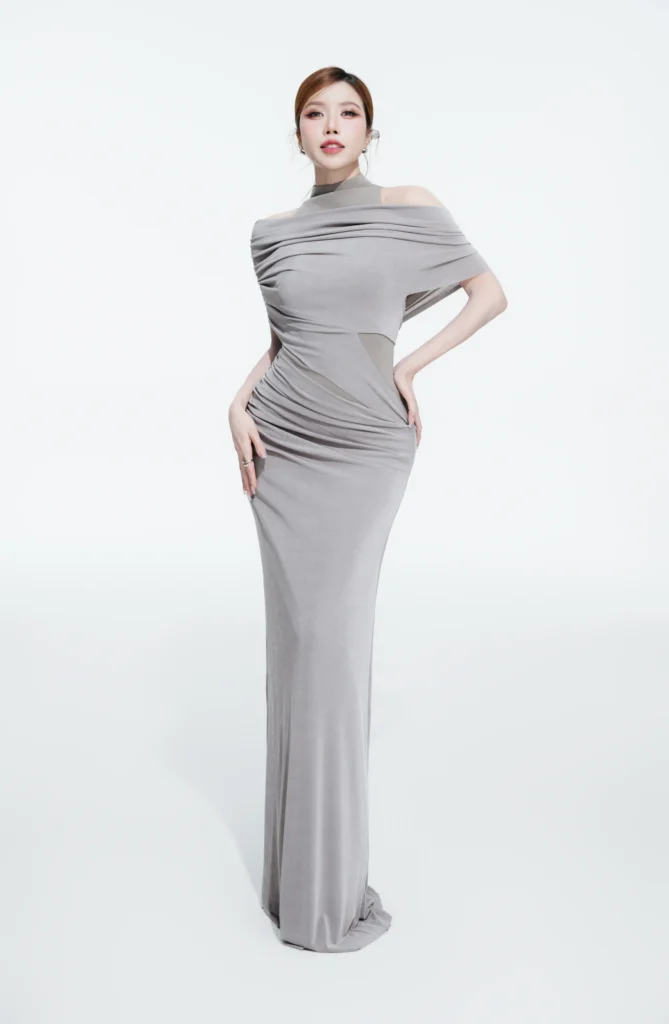
Some artistic journeys begin with ambition, while others begin with something much quieter: an instinct that refuses to disappear. For Vietnamese singer and songwriter Trang Pháp, that instinct arrived early, long before the stages, albums, television appearances and international opportunities. As a child of six or seven, she would sit at the piano creating small melodies, singing over pieces of music that existed only in her imagination. At an age when most children are simply discovering the world around them, Trang was already beginning to translate the world inside her into sound.
Looking back, she finds it difficult to separate the singer from the songwriter because the two have always existed together. The songwriter in her observes life, absorbs emotions and turns experiences into stories, while the singer becomes the storyteller who carries those stories into the world. It is a distinction that explains much about her artistic identity. Trang does not simply perform music. She approaches it as a form of emotional translation, transforming experiences that may initially belong only to her into something another person can recognise within themselves. That ability to turn the deeply personal into something universal has become one of the defining characteristics of her work. For Trang, art has always possessed a kind of language beyond language. Music, cinema, literature and painting can communicate emotions that ordinary conversation sometimes struggles to articulate. A song can take something private and complicated and give it a shape that another person can enter. The listener does not necessarily need to have lived through the same event. They only need to have felt something similar.
That distinction is important to Trang’s understanding of songwriting. When she transforms an experience into music, she is not simply documenting what happened. She first tries to understand the emotion beneath it. That feeling is then translated into melody, lyrics and rhythm until something that began as a private experience becomes open to interpretation. In that transformation lies what she considers one of the most beautiful possibilities of music: a story that belonged to one person can eventually become part of someone else’s emotional world. Yet there was a time when the possibility of becoming a professional musician seemed far less certain. Like many young people, Trang was presented with a more conventional vision of success. Her parents had made it clear that music could be a passion and a hobby, but not necessarily a career. She therefore built a rational path for herself, preparing to travel to Belgium to pursue a master’s degree in economics. The future appeared structured and predictable. Education would lead to a professional career, while music would remain something personal.
Then she found a small green notebook. The notebook had been purchased when Trang was six years old, and inside were the songs and melodies she had written as a child. She had carried it through the years without necessarily thinking about what it represented. But when she rediscovered it while preparing to leave for Belgium, something shifted. The notebook was evidence that music had not been a passing childhood fascination. It had been present in her life for as long as she could remember. The decision that followed was almost entirely spontaneous. She cancelled her flight to Belgium, bought a ticket to Ho Chi Minh City and decided to pursue the dream she had previously been told could remain a hobby. It was a leap into uncertainty, but it was also an act of recognition. The six year old girl who had filled the green notebook with melodies had, in a sense, already written the first chapter. The adult Trang simply had to decide whether she was courageous enough to continue it. That decision became one of the defining turning points of her life.
Since then, her career has unfolded through different chapters, each contributing something to the artist she is today. Her debut album Runaway established one important stage of her musical journey, while her OST album brought together the soundtracks she created for films, revealing her ability to work within cinematic storytelling. Her return to the stage through Sisters Who Make Waves in Vietnam in 2023 opened another chapter, bringing her back into the spotlight in a new context. In 2026, her participation in Cheng Feng in China represented another significant step, extending her artistic journey into a wider regional landscape. For Trang, these experiences are not simply milestones to be listed on a career timeline. They represent different versions of herself.
The artist she is today is significantly different from the young woman who first entered the industry. In her earlier years, she approached creativity with an intense desire to find the right answer. Her thinking was often divided into opposites: right or wrong, perfect or imperfect, success or failure. That mindset was closely connected to her perfectionism. At one point, her pursuit of perfection became almost paralysing. She recalls finding songs in her archive with twenty or thirty different versions because she could never decide which one was truly finished. A composition could evolve through countless revisions before it even reached arrangement and production. Recording could become another exercise in endless comparison, with a single verse sometimes requiring dozens or even hundreds of takes as she searched for the perfect performance. Eventually, however, she realised something that changed her relationship with creativity. Perfection does not necessarily exist in life, and sometimes imperfection is where the emotional truth of a piece can be found.
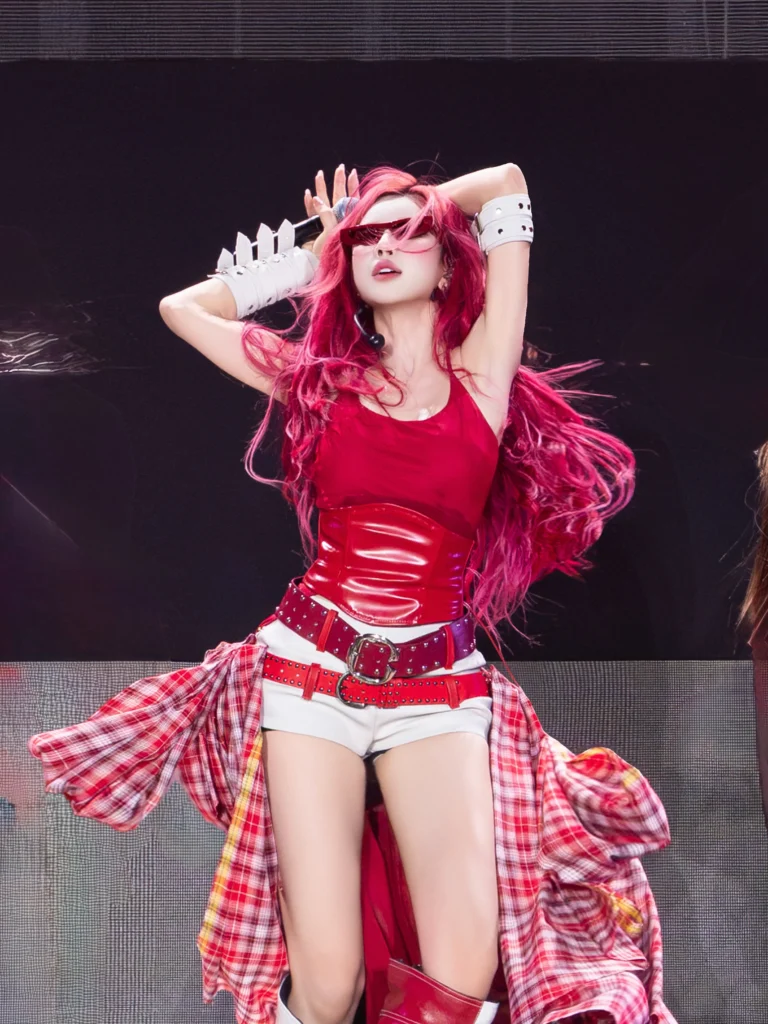
Today, if a vocal take contains a small breath or a note that is not technically flawless but carries the right emotion, she is much more willing to keep it. The priority has shifted from eliminating every imperfection to protecting the feeling. A technically perfect recording can still feel empty, while a slightly imperfect performance can sometimes contain something much more valuable: humanity. This evolution has changed not only the way she makes music, but also the way she understands herself. The younger Trang wanted certainty. The artist she has become is more comfortable with questions. She has learned to appreciate the grey areas between opposing ideas and to recognise that contradiction does not necessarily need to be resolved. It can be embraced.
Her music reflects that understanding. She is drawn to contrasts such as futuristic and nostalgic, strength and vulnerability, electronic textures and emotional songwriting. These combinations are not accidental. They mirror the complexity she has learned to accept within herself. She can be highly rational and deeply sentimental, intensely analytical in one moment and completely spontaneous in another. Rather than seeing these qualities as incompatible, she now understands them as different parts of the same identity. There is one thing, however, that has remained consistent throughout her evolution: creative freedom. Trang has never wanted to create simply because something was expected of her. Her music has always been an attempt to represent who she is at a particular moment in her life as honestly as possible. That means her catalogue has become something of a personal archive. Listening back to different periods of her work allows her to see different versions of herself, almost as though each song has preserved a particular emotional photograph.
That connection between music and identity is inseparable from her Vietnamese heritage. Trang’s Vietnamese identity does not appear only through obvious cultural references. It exists in the way she thinks, the emotions she observes and the contradictions she experienced growing up. She describes Vietnam as a country that has undergone enormous change within a relatively short period of time, creating a generation that can feel deeply connected to tradition while simultaneously living within a rapidly modernising and digitally connected society. That duality has become part of her creative language. Her music can contain contemporary production and electronic textures while carrying something nostalgic and emotionally familiar underneath. It is modern without necessarily abandoning memory. It looks forward while retaining an awareness of where it came from.
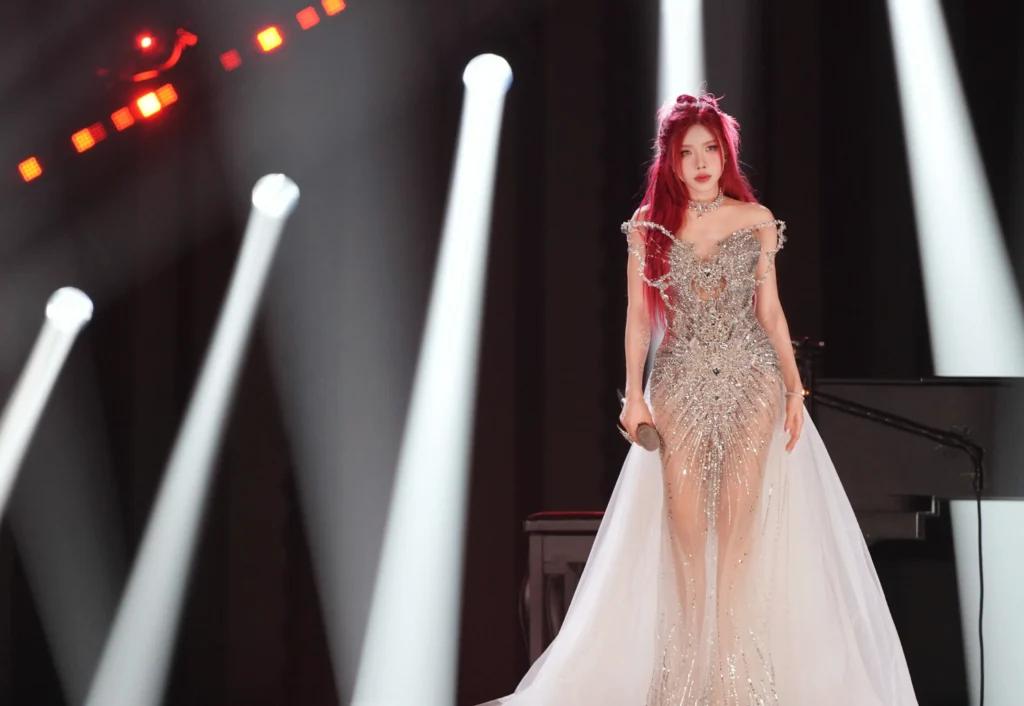
Her childhood experience abroad in France also gave her another perspective on identity. Sometimes, she suggests, leaving home makes a person more aware of how deeply home has already become part of them. Distance can make culture more visible. Language, family, traditions and emotional patterns that once seemed ordinary can become distinctive when viewed from elsewhere. For Trang, being Vietnamese is therefore not something she has to deliberately insert into her work. It already exists in the way she understands relationships, family, love, vulnerability and the world around her. It is embedded within her perspective. Even the Vietnamese language itself contributes to her relationship with music. Because Vietnamese is tonal, meaning and melody are closely intertwined. A change in pitch can alter the meaning of a word, creating a natural musicality within the language. That relationship between sound and meaning offers an extraordinary creative landscape for a songwriter.
Trang’s belief in the future of Vietnamese music is therefore deeply connected to her belief in the value of cultural identity. Having spent approximately fifteen years within the music industry, she has witnessed the Vietnamese scene become more open, diverse and sophisticated. The transformation has accelerated particularly over the last decade, as Vietnamese artists have gained access to digital platforms capable of carrying their work far beyond the country’s borders. For Trang, this internationalisation is not a threat to cultural identity. It is an opportunity to strengthen it. The global music landscape is becoming increasingly fluid. Songs can travel around the world within seconds, audiences can discover artists from countries they may never have visited, and musicians can communicate directly with listeners without traditional geographic limitations. Vietnam is therefore no longer simply participating in an international conversation. Its artists have the opportunity to help shape that conversation.
What excites Trang most is the younger generation of Vietnamese musicians. She sees a generation that is open minded and internationally aware while remaining increasingly interested in its own cultural heritage. Vietnam possesses an enormous cultural archive, from folk music and poetry to regional traditions, history and architecture. These elements offer an almost limitless source of stories for contemporary artists. Her hope is not simply that international audiences will listen to Vietnamese music. She wants them to become curious about the ideas and perspectives behind it. That distinction could become increasingly important as Asian music continues to expand globally. Cultural influence becomes more meaningful when audiences move beyond consumption and towards understanding. A song can be an entry point into a language, a history, a worldview or a different way of experiencing emotion. Trang wants Vietnamese artists to have a distinctive voice within that global landscape rather than simply adapting themselves to what the world already expects.
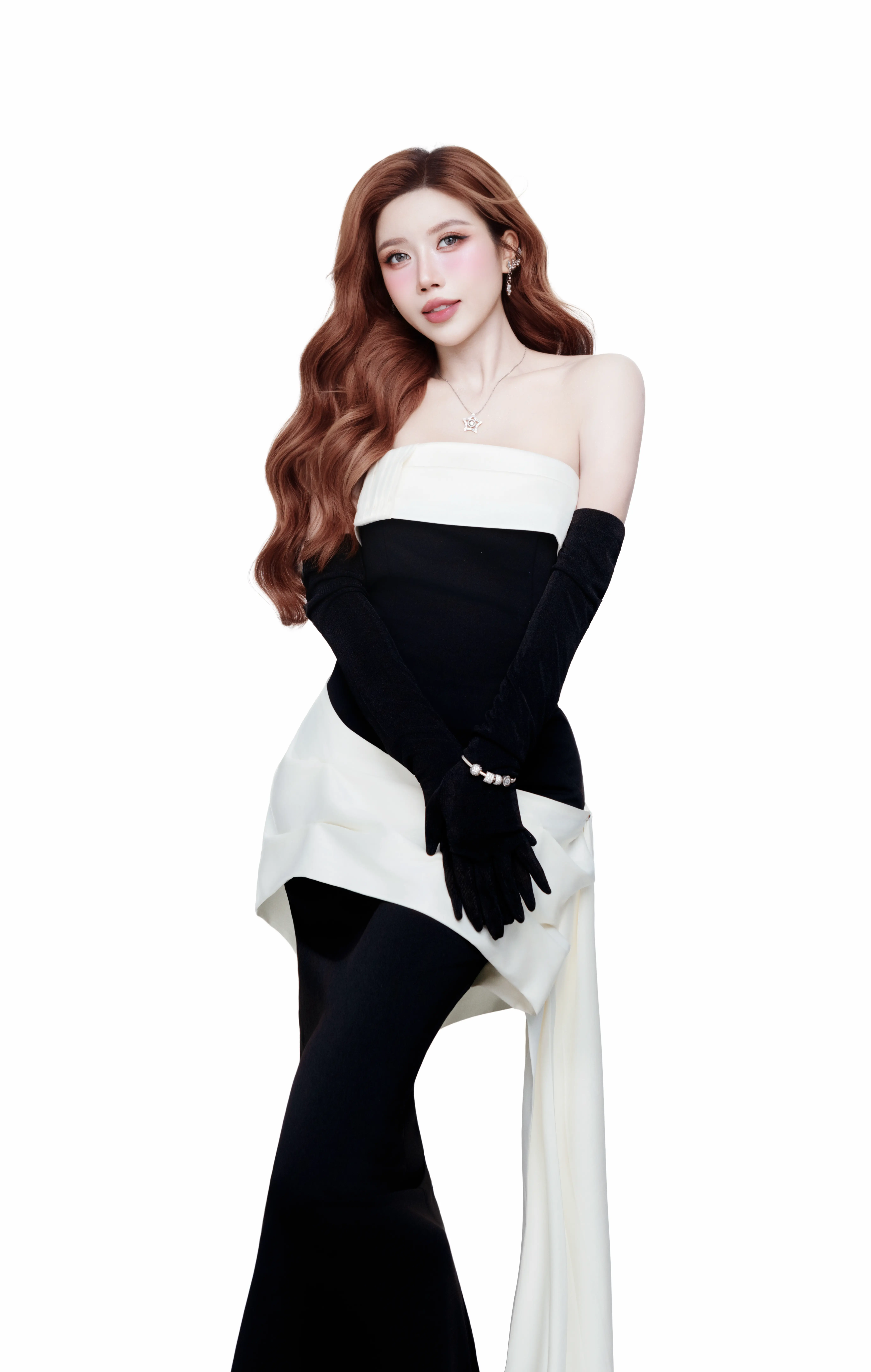
Her approach to music also extends naturally into visual storytelling. She sees music and visuals as deeply connected and often imagines how a song might look while she is still creating it. A melody can immediately suggest a colour, a landscape, a character or an entire cinematic world. This instinct has made the visual side of her artistry an important part of how she communicates. For Trang, a music video or stage performance should do more than accompany a song. It should allow an audience to enter the world behind it. When music and visuals work together, the listener is no longer simply hearing a composition. They are temporarily experiencing the artist’s imagination.
This philosophy becomes particularly relevant in an era when technology is rapidly changing the creative industries. Streaming platforms, social media, algorithms and artificial intelligence have transformed how music is created, distributed and discovered. Trang does not reject these developments. She sees them as extraordinary tools that artists can use. But she is careful about allowing technology to determine artistic identity. An algorithm may understand what is trending. It can identify patterns in audience behaviour. Artificial intelligence can generate images, text and music at extraordinary speed. But popularity and artistic value are not necessarily the same thing. For Trang, the danger begins when numbers become confused with meaning. A song that is immediately clickable is not automatically more important than one that requires time to understand. A piece that does not fit an existing trend may still contain the seed of something new. She believes artists have a responsibility not only to reflect the present but also to imagine what might come next.
If artists create only what audiences already know they want, creativity risks becoming reproduction. That is why she intends to adapt to new technologies without allowing them to become her artistic conscience. Her taste, curiosity and perspective remain the elements she wants to protect. In an age when artificial intelligence can produce a song within seconds, originality becomes even more valuable. For Trang, one of the greatest strengths an artist can possess is the ability to think differently, approach an idea from an unexpected angle and offer a perspective that cannot simply be replicated.
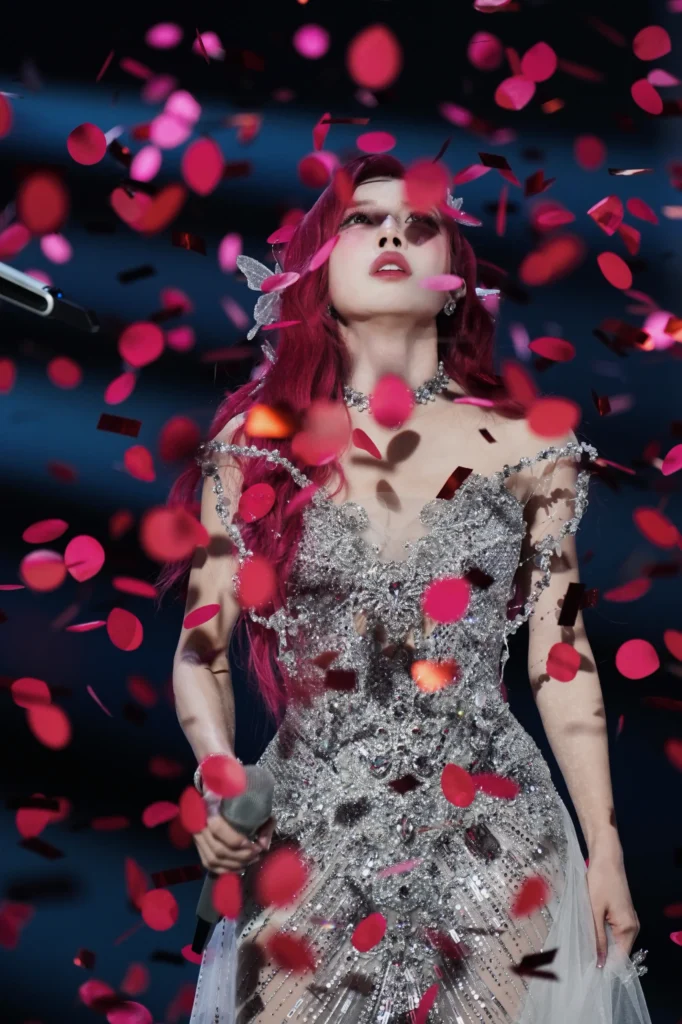
That perspective often begins with observation. Trang finds inspiration in personal experiences, but more importantly, she believes it comes from paying attention. Everyone experiences love, loneliness, loss, happiness and disappointment. What separates one experience from another is often the degree to which we notice what those moments make us feel. Some of her strongest creative observations happen in places where stories constantly intersect, particularly airports and aeroplanes. Airports are filled with beginnings and endings. People arrive to reunite with loved ones, leave for new lives, return home after years away or say goodbye without knowing exactly when they will meet again. There are smiles, tears, anticipation and uncertainty within the same terminal. For Trang, those fleeting moments can contain entire songs. A glance lasting three seconds can remain in memory for ten years. A silence can carry more emotional weight than a conversation. A goodbye can become the beginning of a story rather than its conclusion.
She has learned that creativity cannot always be summoned on demand. Sometimes a melody arrives while she is cooking, driving or even sleeping. Other times, she can spend weeks searching for an idea without finding one. The role of the artist, she believes, is not necessarily to force inspiration to appear, but to remain attentive enough to recognise it when it arrives. That philosophy perhaps explains the evolution of Trang Pháp better than any career milestone. The girl who once filled a green notebook with melodies wanted to become a singer before she fully understood what that meant. The young woman who nearly left for Belgium had to make one of the most consequential spontaneous decisions of her life. The perfectionist who once struggled to finish songs eventually learned that emotional truth could be more powerful than technical perfection. And the artist she is today has become increasingly comfortable with ambiguity, contradiction and creative freedom.
Her journey is therefore not simply the story of a singer. It is the story of someone learning to trust the instinct that first appeared when she was six years old. Today, Trang Pháp stands at an interesting point in the evolution of Vietnamese music. She carries the perspective of an artist who has experienced different cultures, worked across multiple creative forms and watched Vietnam’s music industry change from within. She is part of a generation that no longer needs to choose between being proudly Vietnamese and being globally relevant. The two can exist together. Perhaps that is the future she represents. A Vietnamese artist can create electronic music while drawing upon emotional traditions. A songwriter can be influenced by global sounds without losing her native language. A performer can step onto international stages while carrying stories rooted in home. And an artist can embrace technology without surrendering the human perspective that makes art meaningful.
Trang Pháp’s story began with a little green notebook and a decision to listen to the voice inside it. Years later, that voice has become much louder, but its essence remains unchanged. She still creates from within herself. She still searches for the emotion beneath the story. She still believes that music can cross borders because feelings do not require passports. And perhaps most importantly, she has learned that a song does not need to be perfect to be unforgettable. It simply needs to be true. For an artist whose journey began by choosing an uncertain dream over a carefully planned future, that may be the most fitting definition of success: not finding the perfect answer, but having the courage to keep writing the next question into music.