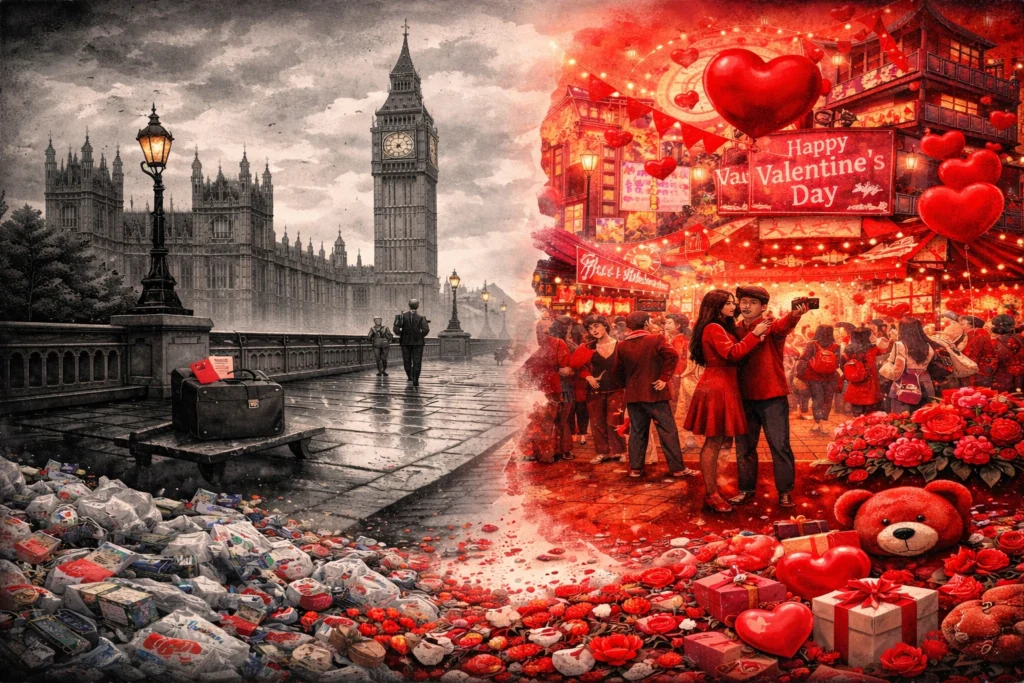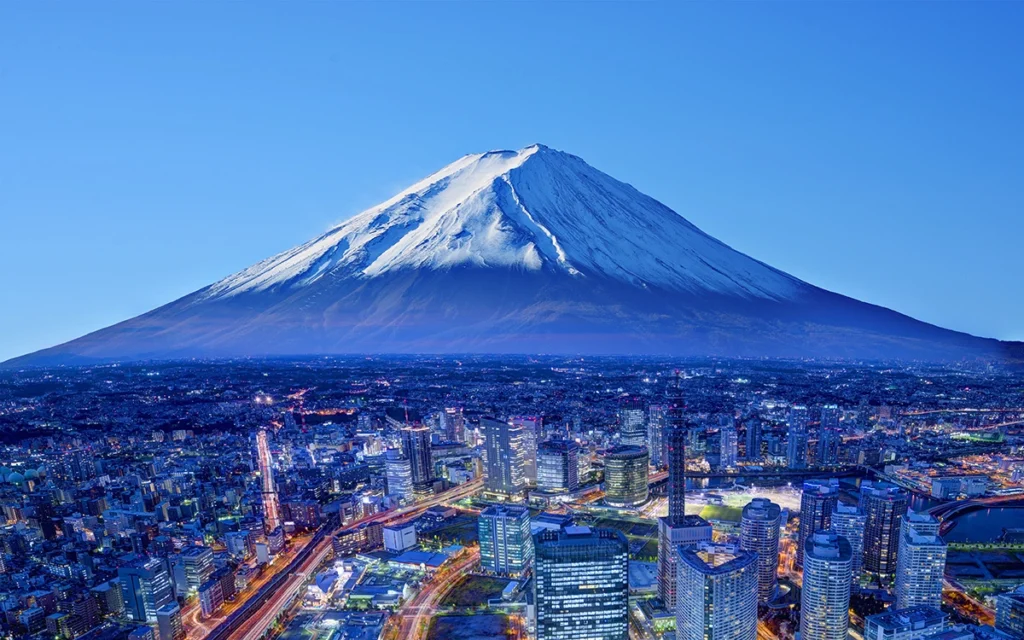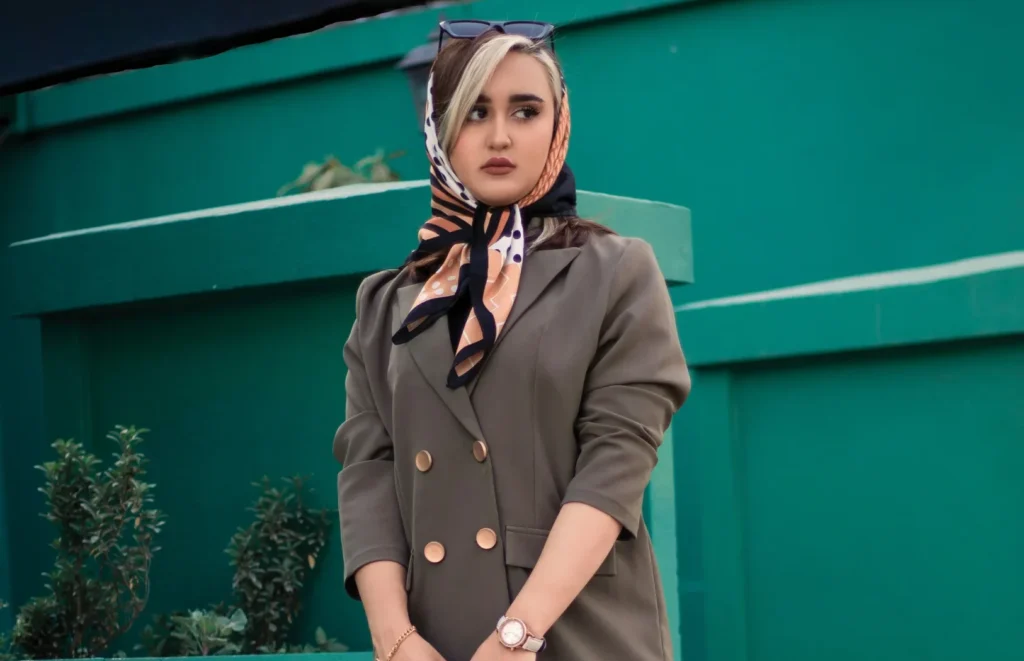
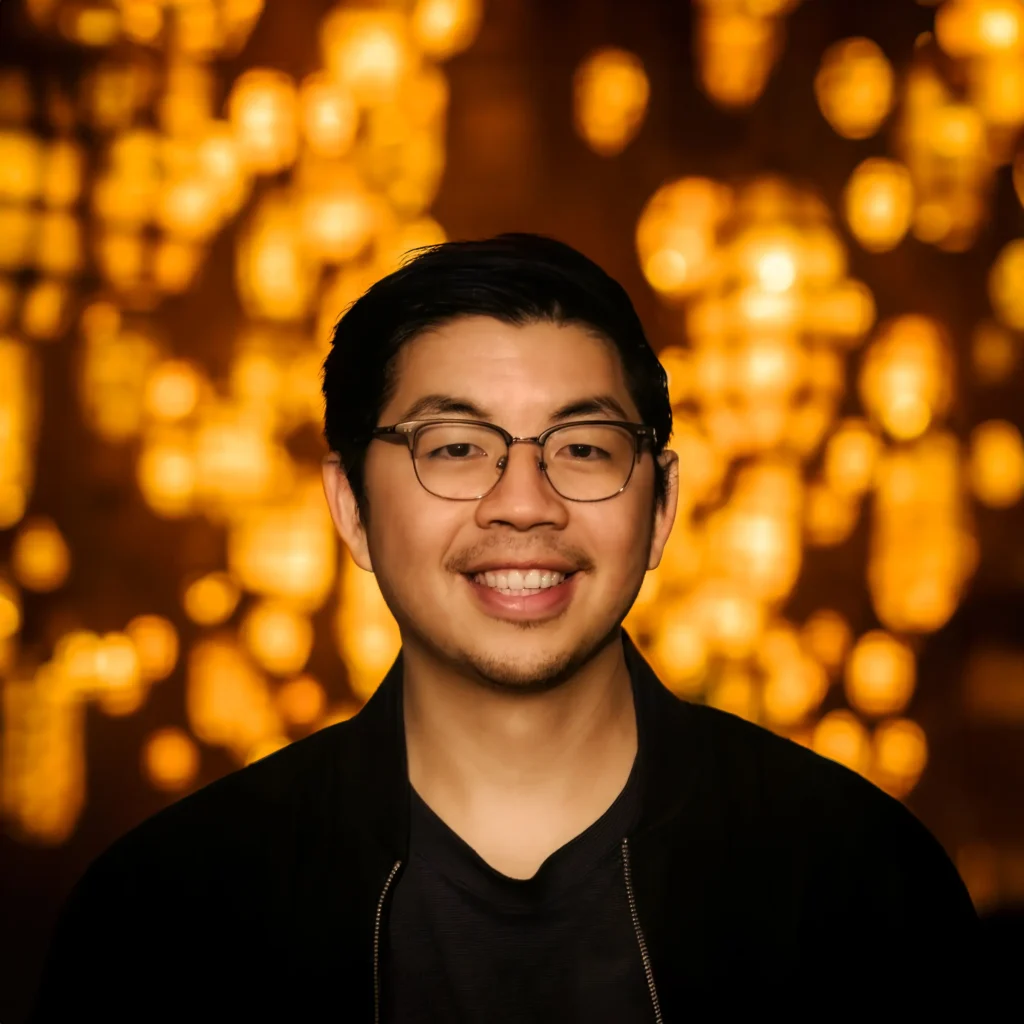
Demas Rusli has built a visual universe where architecture meets emotion, structure meets spontaneity, and design becomes a language capable of transcending words. Recognised internationally for his striking photography and distinctive aesthetic, the Sydney-based creative has cultivated a body of work that feels simultaneously meticulous and deeply human. Blending his Indonesian heritage, architectural training and passion for visual storytelling, Rusli has become one of the most compelling voices in contemporary photography, creating images that invite viewers not only to observe but to feel.
At the heart of his creative identity lies a unique balance between photography and design. Having completed a Master of Architecture degree in 2014 and spent five years working at one of Sydney’s leading architectural firms before transitioning to full-time photography in 2020, Rusli’s artistic foundation was shaped long before he became known online. While photography comes naturally to him on an emotional level, design remains the structural framework that informs the way he sees the world. His understanding of geometry, rhythm, balance and negative space influences every composition, allowing him to transform everyday scenes into carefully crafted visual experiences. Rather than existing as separate disciplines, photography and design continually enrich one another, forming the basis of his distinctive creative approach.
Growing up between Jakarta and Sydney provided another defining influence on his artistic perspective. Although he relocated to Australia at the age of seven, frequent visits to Indonesia ensured he maintained a strong connection to both cultures. The contrast between the two cities left a lasting impression. Jakarta’s vibrant energy, density and layered complexity stand in stark contrast to Sydney’s openness, calmness and order. Rusli finds himself drawn to both worlds, and much of his photography exists at the intersection of these opposing qualities. His images often balance atmosphere with simplicity, chaos with precision, and emotion with structure. Living between cultures also broadened his creative outlook, encouraging him to blend influences in ways that feel globally relevant while remaining deeply personal.
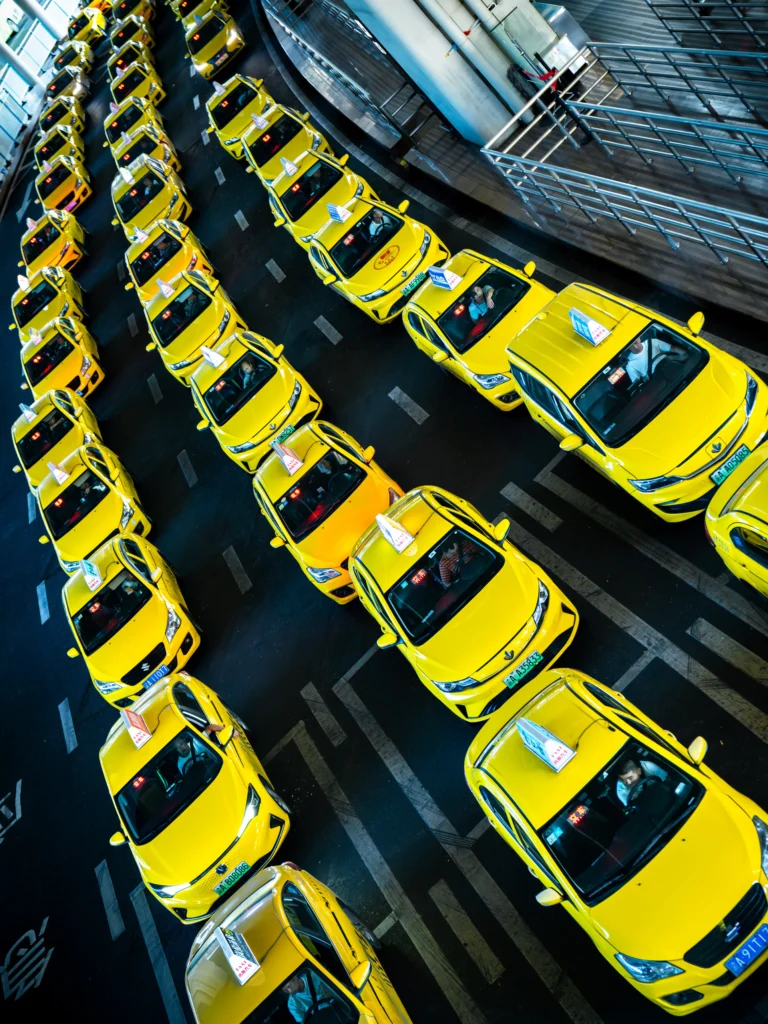
Today, Rusli describes his visual language as architectural, structured and playful. His work frequently explores themes of symmetry, repetition, scale and light, yet he strives to move beyond visual perfection alone. Beneath the clean compositions lies an emotional undercurrent that invites audiences to engage more deeply with the image. Whether photographing expansive cityscapes or intimate urban moments, he seeks to evoke feelings of wonder, curiosity, nostalgia or calm. Over time, consistency has become increasingly important to him, not only in terms of editing style but also in emotional tone. His goal is for audiences to recognise his work instantly, even before seeing his name attached to it.
His creative journey began long before photography entered the picture. As a child, Rusli dreamed of becoming an architect after being inspired by family members working in the field in Jakarta. Determined to pursue that ambition, he dedicated himself to achieving the academic results required to enter architecture school. It was there that he discovered a side of architecture he had never anticipated. Rather than focusing solely on logic and mathematics, the discipline opened his eyes to creativity, art and critical observation. He learned to question the world around him, paying attention to details and design decisions that most people overlook. This newfound curiosity became the foundation of his creative mindset.
Photography entered his life during his second year of architecture studies and quickly developed into an obsession. The camera became another tool for exploring composition, perspective, light and storytelling. Travel further fuelled this fascination, providing endless opportunities to experience new environments and perspectives. Initially, photography served as a creative outlet alongside architecture, but over time Rusli realised he was increasingly captivated by capturing spaces rather than designing them. Sharing his work online introduced him to a global audience, and seeing people connect emotionally with his images encouraged him to push his creative boundaries even further.
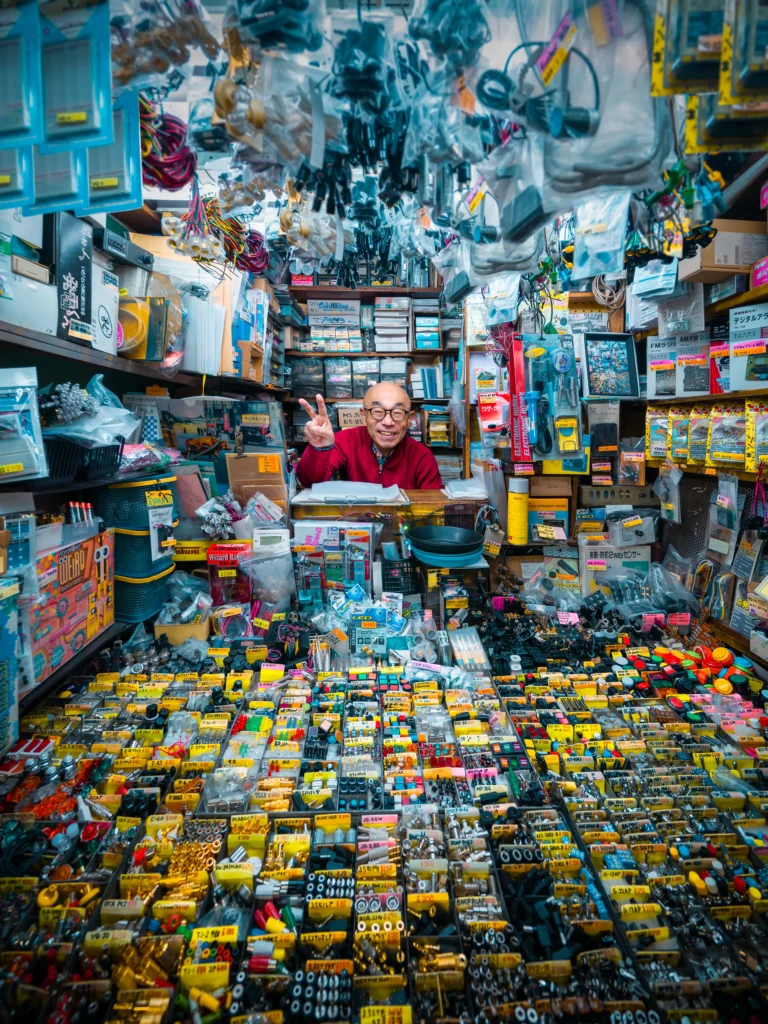
One of the defining characteristics of Rusli’s work is its ability to feel both highly curated and remarkably natural. Achieving this balance, he explains, requires a combination of preparation and openness. Planning plays an important role, from researching locations and understanding lighting conditions to considering framing possibilities. Yet some of his most memorable images emerge from unexpected moments that cannot be predicted. A passer-by entering a frame, changing weather conditions or an unforeseen interaction often becomes the element that transforms a photograph from visually pleasing to emotionally resonant. By embracing these moments rather than controlling every variable, he allows his images to retain a sense of life and authenticity.
Storytelling remains central to everything he creates. For Rusli, photography is far more than documentation; it is a means of communicating emotion, atmosphere and perspective without relying on language. The placement of a subject, the choice of colour, the scale of a composition or the way light interacts with a scene can completely alter the story an image tells. Even the editing process becomes an extension of storytelling, allowing him to guide attention and shape emotional responses. His greatest satisfaction comes when viewers pause long enough to create their own narrative from a photograph, discovering meanings that may never have been explicitly intended.
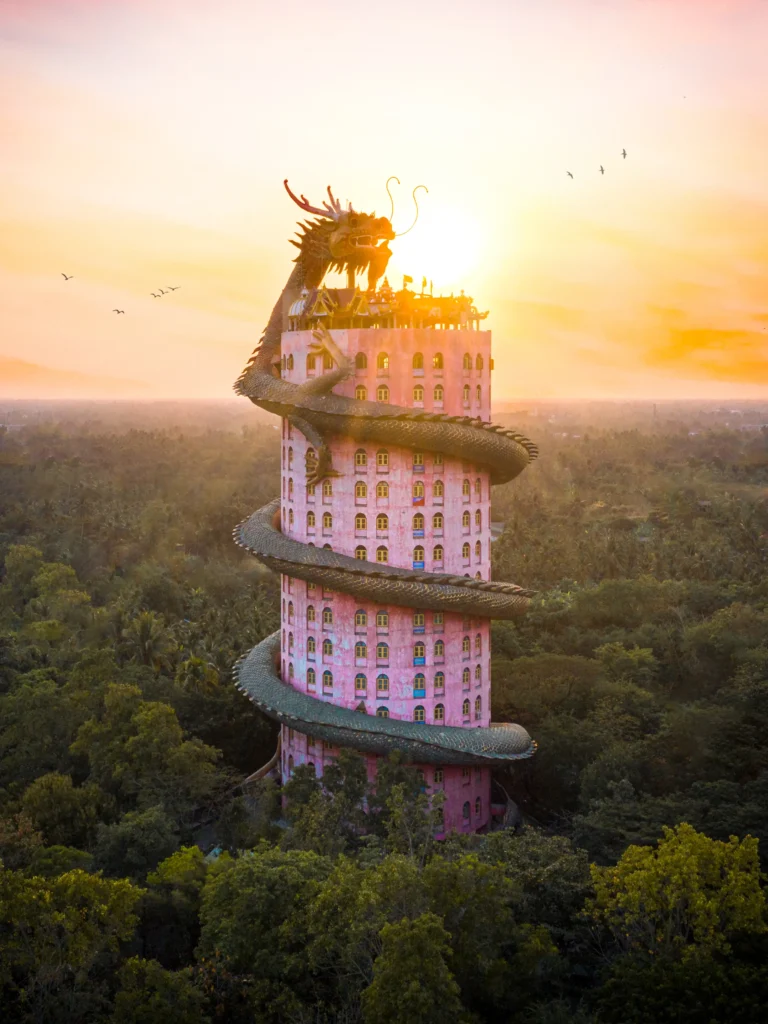
Architecture continues to be his strongest source of visual inspiration. Years of architectural training have conditioned him to notice shapes, symmetry, lines and the relationship between people and the spaces they inhabit. Yet he believes environments truly come alive through movement and human presence. By introducing small human elements into large architectural settings, he creates a sense of scale and contrast that adds emotional depth to his work. Travel also remains a vital source of inspiration. Experiencing different cultures and cities continually expands his creative perspective while deepening his understanding of the world.
In an age where social media is saturated with imagery, maintaining originality presents an ongoing challenge. Rusli believes authenticity comes not from reinventing photography but from developing a personal perspective. While trends can serve as useful creative prompts and opportunities for experimentation, he cautions against becoming overly dependent on them. Chasing trends too aggressively risks eroding creative identity. Instead, he focuses on consistency, curiosity and creating work that genuinely excites him, regardless of how algorithms may respond. For him, long-term relevance is built through personal vision rather than short-term popularity.
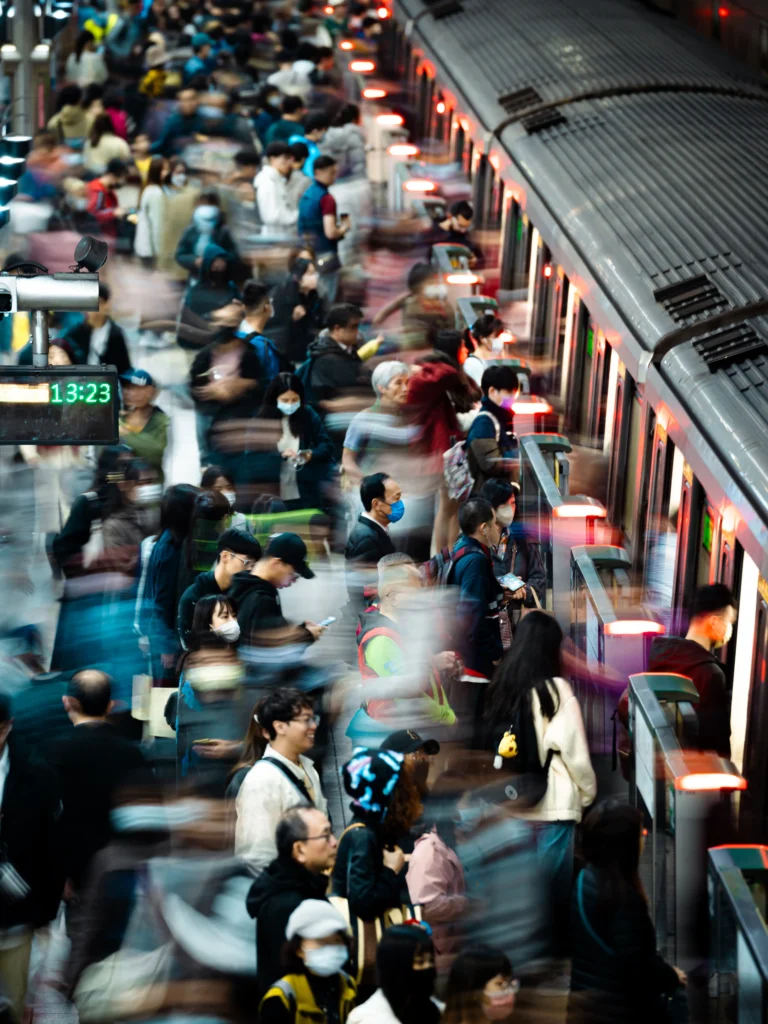
His Indonesian heritage continues to influence his creativity in subtle yet meaningful ways. Cultural experiences shape how people interpret environments, relationships and emotions, and Rusli believes these influences inevitably find their way into his work. The warmth, energy and vibrancy he associates with Indonesia often inform the moods he is naturally drawn towards visually. At the same time, years spent living in Australia and travelling internationally have broadened his perspective, resulting in a creative identity that blends multiple influences. This balance allows his work to resonate with audiences worldwide while remaining grounded in personal experience.
Looking towards the future, Rusli sees his creative identity evolving beyond the boundaries of any single medium. While photography will always remain central to his practice, he is increasingly interested in expanding the worlds surrounding his images. Design, motion, storytelling, installations, physical prints and immersive experiences all represent exciting possibilities for future exploration. He is particularly drawn to the idea of creating work that exists both digitally and physically, allowing audiences to experience photography beyond the screen.
Ultimately, Demas Rusli’s ambition extends far beyond creating beautiful images. His goal is to build experiences that resonate emotionally and leave lasting impressions. Through a unique fusion of architectural precision, cultural perspective and human storytelling, he continues to transform familiar spaces into moments of wonder. In doing so, he reminds audiences that the most powerful photographs are not simply images we look at—they are experiences we carry with us long after we have looked away.