
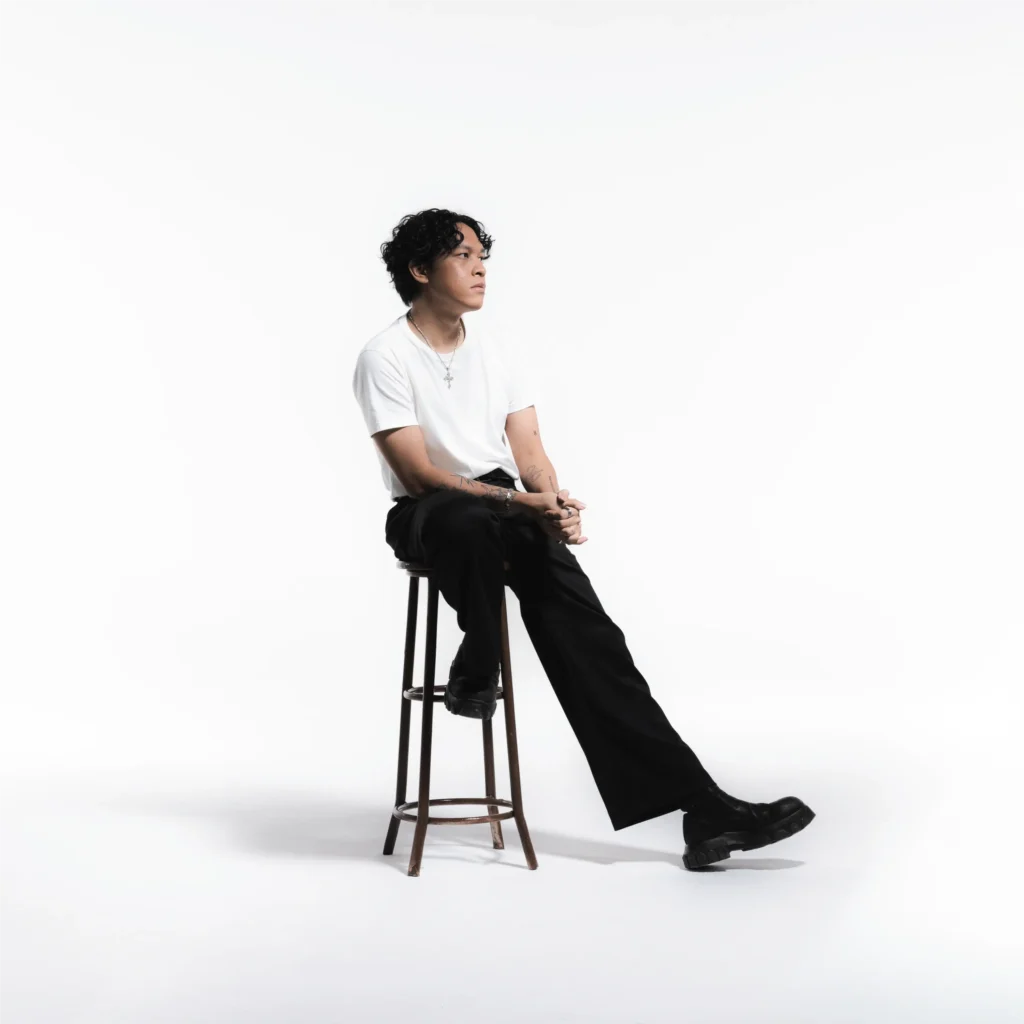
There is something timeless about the way Baskara Putra understands his place as an artist. A devoted admirer of fantasy literature, he finds an unexpected reflection of himself in the classic bard, the wandering storyteller found in Tolkien inspired worlds and Dungeons and Dragons like adventures, someone who entertains, observes, collects stories, and carries them from one place to another through music. For Putra, the comparison is less about being the centre of attention and more about the role of the storyteller, the person who speaks of people surviving, thriving, and sometimes failing. His music exists in that space, where life becomes narrative and narrative becomes sound.
Unlike the polished formulas often associated with conventional pop songwriting, Putra gravitates towards something more personal and narrative. His songs unfold as stories rather than simply collections of melodies and hooks. What makes them particularly intimate is that the stories are rooted in truth. Everything he has written, he explains, comes from something he has genuinely experienced. He follows the emotions attached to those experiences and attempts to encapsulate them sonically, turning memories, feelings, uncertainty, and observation into something that can be heard by others.
The realisation that those stories could reach beyond his own world arrived around 2018 and 2019, when his music with .Feast and his solo work began gaining momentum through live performances. The scale of those performances changed dramatically, growing from audiences of roughly fifty or a hundred people to crowds of around a thousand, sometimes reaching fifteen hundred. Somewhere within that transformation, Putra began to understand that his curiosity about the world was shared by others. People were not simply attending the shows. They were interested in what he had to say.
That discovery became the foundation of a relationship with his audience that continues to evolve. Putra considers himself fortunate to have formed a connection with listeners who are willing to follow the expanding chapters of his life and his thoughts about a changing world. Their interest, as he sees it, is not necessarily dependent on conventional ideas of what pop music should be. If the story is compelling and the perspective offers something worth considering, they are willing to come along for the journey. That freedom has allowed him to grow without constantly reshaping himself to fit an established format.
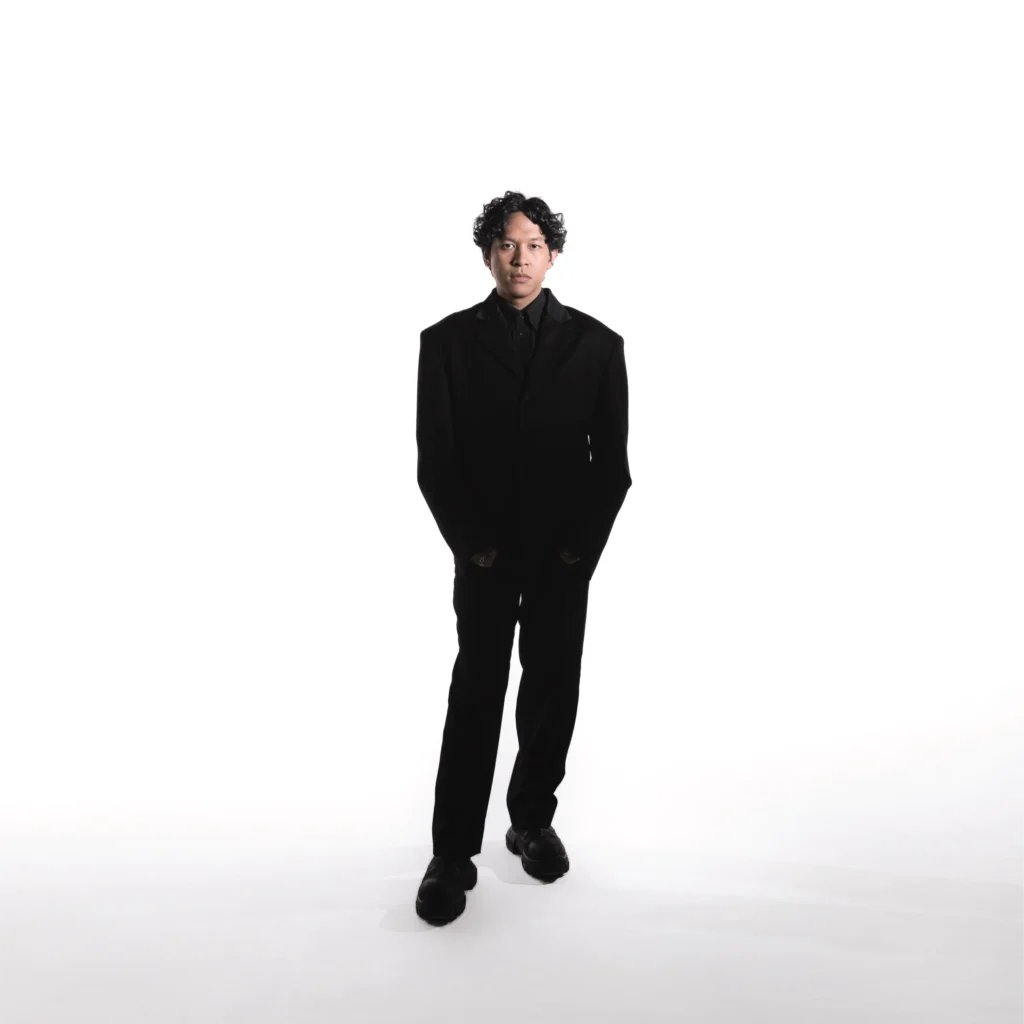
Perhaps the most powerful evidence of that connection comes through the messages he receives from listeners who tell him that his songs have helped them articulate emotions and thoughts they had never quite known how to express. Music, in that sense, becomes a language for feelings that exist just beyond ordinary conversation. His vivid and often intensely personal lyrics give those emotions a shape, allowing listeners to revisit their own memories and experiences with a new sense of clarity.
There is an irony in this, because personal songwriting was once something he was discouraged from pursuing. When he began creating music, he was told that writing too specifically about himself might prevent his work from connecting deeply with others. His experience proved almost the opposite. The more personal the stories became, the more recognisable they seemed to other people. In the details of one person’s life, listeners could discover fragments of their own.
For Putra, this connection has also changed the way he understands success. From a purely artistic perspective, after approximately seven years of building his identity as an artist, he feels that he has reached a point where he no longer needs to prove himself to anyone. There is a sense of calm in that statement, but it is accompanied by an awareness of the larger ecosystem that has grown around his work. What began as an artistic pursuit has developed into a livelihood for many of the people working alongside him, giving the idea of success a responsibility that extends beyond the individual.
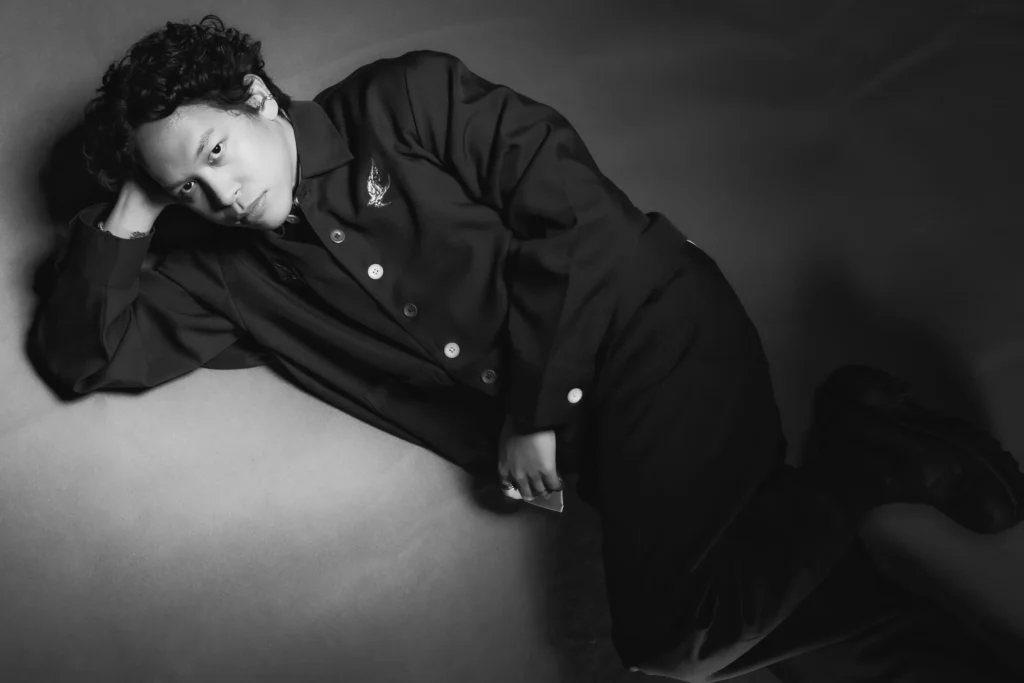
The next question, therefore, is not simply whether he has succeeded, but whether what has been created can endure. Putra imagines another seven, fourteen, or twenty one years as the period in which that question will truly be answered. For him, sustainability matters both artistically and commercially. The challenge is to allow the work, the people around it, and the larger creative world they have built together to continue existing for as long as possible.
That long view also extends to his relationship with technology. In recent years, Putra has been reconsidering what technology means within contemporary life and questioning the future of the internet as people have traditionally understood it. He has developed a feeling that the conventional internet is already approaching the end of its familiar form, and he finds himself increasingly drawn towards the possibility that the future may become more offline. It is an idea he has been exploring through the media he consumes and the subjects that have begun occupying his imagination.
Yet perhaps one of the most surprising transformations in his own life has been his relationship with performing. Putra once believed that he disliked being on stage, feeling more comfortable inside the studio and within the quieter process of making music. Over time, however, the hours spent learning how to sing, move, and communicate more confidently in front of an audience changed his relationship with performance. What once felt uncomfortable has gradually become one of the most liberating parts of his creative life.
He now sees performance as a fascinating form of permission. There is something almost paradoxical about standing on stage and deliberately performing while everyone in everyday life is already performing in subtler ways. People adopt different versions of themselves depending on where they are, who they are with, and what is expected of them, all while trying not to appear artificial. On stage, that tension disappears. Reinvention is no longer something to hide. It becomes the very reason people are watching. The possibility of becoming another version of himself every few hours, in front of thousands of people, feels deeply poetic to him.

That freedom is something he hopes to give back to his audience. He wants people at his shows to understand that they can be whoever they want to be within that space. For a brief period, they do not have to explain themselves, perform according to someone else’s expectations, or worry about whether they belong. His hope is that they leave carrying that feeling with them, as though acceptance could be slipped quietly into a pocket and taken home after the music ends.
It is perhaps this belief in temporary worlds that connects Putra so naturally to the fantasy literature he loves. Like the bard he identifies with, he creates a space where stories can be heard, shared, and transformed. His songs begin with his own experiences, but once they reach an audience, they no longer belong entirely to him. They become part of someone else’s memory, someone else’s understanding of themselves, or perhaps simply a soundtrack to a moment they could not otherwise describe.
Behind the scenes, that creative world is continuing to expand. Putra and his team have been experimenting with different artistic mediums and new approaches to live performance, exploring possibilities that are still taking shape. Much of the work remains hidden within workshops and creative sessions, the kind of experimentation that only becomes meaningful once the final result can be experienced. For now, the process remains deliberately unfinished, waiting for the right moment to reveal what it has become.
There is something fitting about finding Baskara Putra in that state of becoming. His work has always been rooted in movement, between memory and sound, personal experience and collective recognition, the private self and the person who appears beneath the lights. He has built a career around telling stories that are deeply his own while allowing other people to discover themselves inside them. His next chapter seems likely to continue that same search, questioning what music can hold, what performance can become, and where storytelling might travel next.
Perhaps that is the enduring quality of the bard within him. He does not simply stand before an audience to tell them who he is. He offers pieces of his own world and allows them to become something different in the imagination of everyone listening. In a culture increasingly shaped by speed, technology, expectation, and endless noise, Baskara Putra continues to place his faith in something much older: the intimacy of a story, the vulnerability of truth, and the strange ability of music to make one person’s experience feel, for a moment, like it belongs to all of us.